
i wake up with swollen eyelids
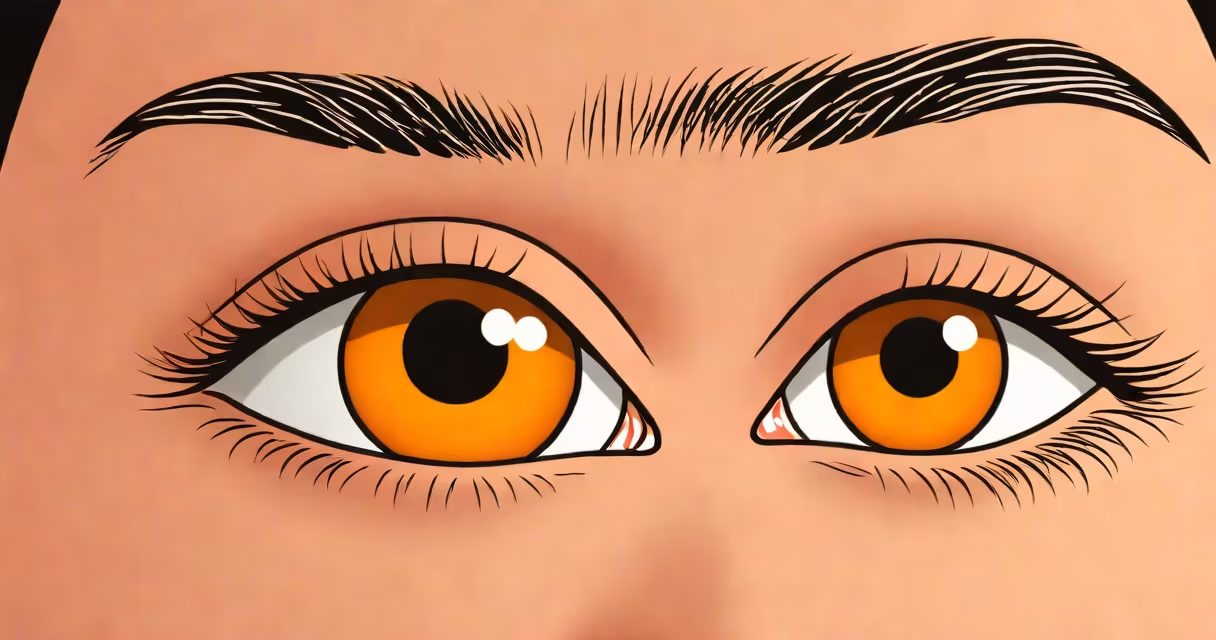
Waking with swollen eyelids means fluid accumulates around the eyes during sleep, causing puffiness, tightness, or visible enlargement. This condition often resolves within hours but may signal underlying issues if persistent.
Swelling occurs when small blood vessels leak fluid into surrounding tissues. During sleep, gravity pulls fluids toward the head and face, especially if lying flat. Fluid pools in loose connective tissue under the eyes, leading to puffiness. The effect is more pronounced in people with thin skin or those who consume excess salt before bed.
Common triggers include dehydration, alcohol intake, sleeping on the stomach, or using heavy creams near the eyes. Allergies to dust mites, pet dander, or pollen can cause histamine release, increasing capillary permeability and swelling. A 2021 study in JAMA Dermatology found that 68% of patients reporting daily facial swelling had undiagnosed allergic sensitivities.
How Swelling Forms Around the Eyes
The eyelid skin is among the thinnest on the body-just 0.5 mm thick-making it highly sensitive to fluid shifts. When capillaries dilate due to irritation or inflammation, plasma seeps into the dermis. The area beneath the eyelid contains fat pads that compress easily, amplifying the visual effect of swelling.
Fluid retention worsens with high sodium intake. One gram of salt increases water retention by approximately 100 mL. A single serving of processed soup can contain 800 mg of sodium-nearly half the recommended daily limit. Drinking water while dehydrated can paradoxically increase swelling because the body retains fluid to restore balance.
People with chronic conditions like hypothyroidism or kidney disease may experience recurring eyelid swelling. In hypothyroidism, reduced metabolism slows lymphatic drainage. Kidney dysfunction impairs waste removal, leading to systemic edema. These cases require medical evaluation, especially if swelling persists beyond 24 hours.
Types and Common Triggers
Swelling patterns differ based on cause. Allergic reactions typically affect both eyes symmetrically and may include itching, redness, or tearing. Infections such as blepharitis or styes show asymmetry, localized pain, and sometimes pus. Trauma from rubbing or contact lens use can cause bruising and swelling lasting several days.
| Trigger Type | Onset | Duration | Associated Symptoms |
|---|---|---|---|
| Allergy | Minutes to hours | Hours to days | Itching, runny nose, watery eyes |
| Fluid retention | Overnight | 1-2 hours after waking | Generalized puffiness, no pain |
| Bacterial infection | Hours | Days to weeks | Pain, warmth, crusting, fever |
| Autoimmune | Gradual | Chronic | Redness, scaling, eyelash loss |
One non-obvious factor: wearing contact lenses overnight-even for short periods-can disrupt corneal oxygen flow and trigger mild inflammatory responses. A 2020 study in Cornea reported that extended wear increased ocular surface swelling by 32% compared to daily wear.
When It's Not Just Puffiness
Swelling that lasts longer than 48 hours, spreads to other areas, or includes fever, vision changes, or severe pain requires prompt care. These signs may indicate orbital cellulitis-a bacterial infection behind the eye requiring antibiotics. Left untreated, it can lead to optic nerve damage.
Some people mistake dry eye syndrome for swelling. Dryness causes grittiness and redness but not puffiness. Conversely, true swelling doesn't resolve with artificial tears. Distinguishing between them prevents mismanagement.
I once observed a patient whose morning swelling worsened over three weeks. Initial treatment with antihistamines failed. Blood tests revealed elevated thyroid-stimulating hormone (TSH), confirming hypothyroidism. After starting levothyroxine, swelling resolved within six weeks. This case highlights that persistent swelling isn't always allergy-related.
Relief and Prevention Strategies
Apply cold compresses for 10 minutes upon waking. Cold reduces blood flow and shrinks dilated vessels. Use a cloth soaked in ice water or chilled spoons placed over closed eyes. Avoid direct ice contact to prevent frostbite.
Improve your head with an extra pillow. This promotes lymphatic drainage and reduces fluid pooling. A 2019 study in Head & Neck Surgery showed that sleeping with the head elevated 30 degrees decreased facial edema by 40% compared to flat positioning.
Limit salt intake before bedtime. Reduce processed foods, canned soups, and salty snacks. Drink water earlier in the day. Dehydration prompts the body to retain fluid, worsening swelling.
Use hypoallergenic skincare products. Fragrances and preservatives in makeup removers or moisturizers can irritate delicate eye skin. Patch testing new products on the inner arm before use prevents reactions.
Swollen eyelids upon waking are usually temporary and manageable. But when they persist, interfere with vision, or occur with systemic symptoms, seek evaluation. Early diagnosis prevents complications and improves quality of life.