
What Is Blood pH Balance
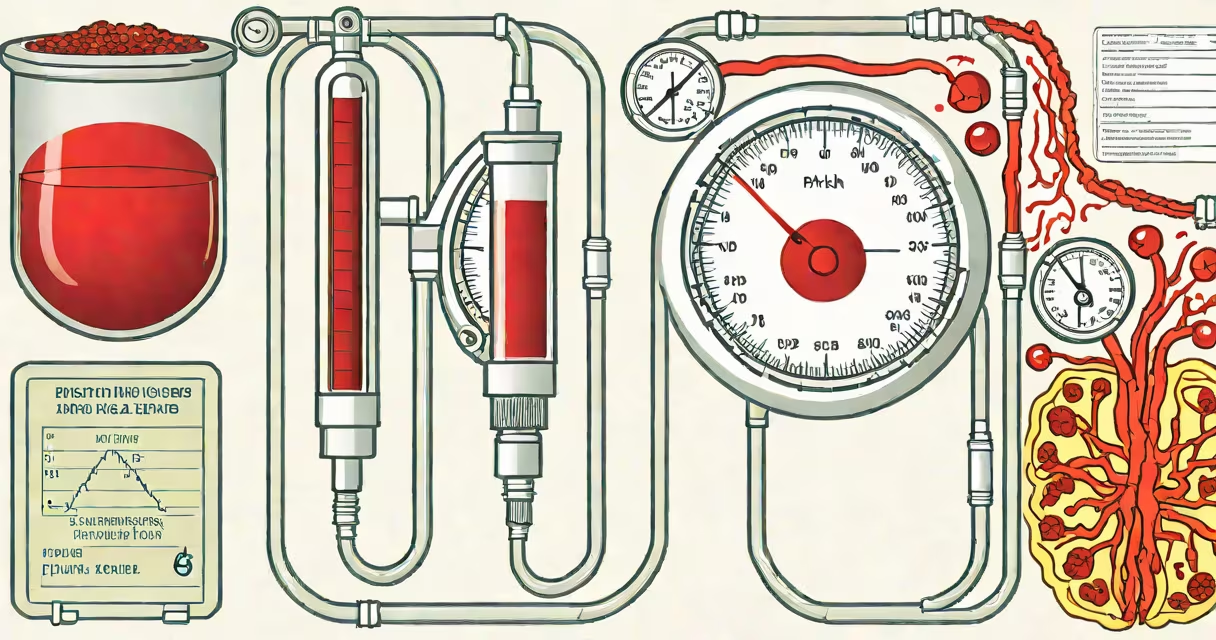
Blood pH balance refers to the precise regulation of hydrogen ion concentration in the bloodstream, maintaining a narrow range between 7.35 and 7.45. This stability ensures optimal function of enzymes, oxygen transport, and cellular metabolism. The body uses multiple systems-respiratory, renal, and chemical buffers-to defend against shifts in acidity or alkalinity.
The human body operates efficiently only within a very tight pH window. A drop below 7.35 causes acidosis; levels above 7.45 indicate alkalosis. Both states impair protein structure and enzyme activity. For example, hemoglobin's ability to bind and release oxygen decreases outside the normal range. The kidneys and lungs work continuously to correct imbalances, while buffer systems like bicarbonate neutralize sudden changes.
How Blood pH Balance Works
The body regulates blood pH through three primary mechanisms: chemical buffers, respiratory control, and renal excretion. Chemical buffers act instantly. Bicarbonate (HCO₃⁻) is the most important extracellular buffer, reacting with excess acids to form carbonic acid (H₂CO₃), which then breaks down into water and CO₂. The CO₂ is exhaled through the lungs.
Respiratory compensation adjusts breathing rate and depth. When blood becomes too acidic, the brain signals faster, deeper breaths to expel more CO₂. Conversely, slow breathing retains CO₂ and raises pH. This system responds within minutes. Renal compensation takes hours to days. Kidneys excrete hydrogen ions into urine and reabsorb bicarbonate, restoring long-term balance.
A clinical example: a patient with diabetic ketoacidosis produces large amounts of ketones-organic acids-that lower blood pH. The body responds by increasing respiration (Kussmaul breathing), reducing CO₂ levels. Simultaneously, the kidneys begin excreting hydrogen ions. Without treatment, this imbalance leads to coma or death.
Key Components and Systems Involved
Three systems maintain blood pH balance: the bicarbonate-carbon dioxide buffer system, the respiratory system, and the renal system. The bicarbonate system accounts for about 70% of buffering capacity in plasma. Its reaction is reversible: H⁺ + HCO₃⁻ ⇌ H₂CO₃ ⇌ CO₂ + H₂O. This allows rapid neutralization of acids.
The lungs regulate CO₂ levels via alveolar ventilation. Minute ventilation increases during acidosis, lowering PaCO₂ (partial pressure of CO₂ in arterial blood). Normal PaCO₂ is 35-45 mmHg. A PaCO₂ below 35 indicates respiratory alkalosis; above 45 suggests respiratory acidosis.
Kidneys manage pH by regulating bicarbonate reabsorption and hydrogen ion secretion. In the proximal tubule, cells produce bicarbonate from carbon dioxide and water using the enzyme carbonic anhydrase. They secrete H⁺ into the tubular lumen, where it combines with filtered bicarbonate or phosphate to form weak acids excreted in urine.
| System | Response Time | Primary Mechanism | Normal Range |
|---|---|---|---|
| Bicarbonate buffer | Milliseconds | Neutralizes H⁺ ions in blood | 22-26 mEq/L |
| Respiratory system | Minutes to hours | Adjusts CO₂ elimination via breathing | PaCO₂: 35-45 mmHg |
| Renal system | Hours to days | Excretes H⁺, reabsorbs HCO₃⁻ | Urine pH: 4.5-8.0 |
Common Misconceptions and Clarifications
Many people believe that diet directly alters blood pH. This is incorrect. While certain foods affect urine pH, they do not change systemic blood pH. For example, eating citrus fruits increases urinary acidity but does not lower blood pH. The body's buffering systems override dietary influences.
Another misconception is that alkaline diets prevent disease. The National Institutes of Health states that no evidence supports the claim that altering diet pH prevents cancer or other chronic conditions. Blood pH remains stable regardless of food intake due to solid regulatory mechanisms.
A non-obvious fact: even mild acidosis reduces cardiac contractility. A study published in Critical Care Medicine found that patients with pH below 7.3 had lower ejection fraction and increased risk of arrhythmias. This underscores why blood pH balance is not just a biochemical detail-it affects organ function.
Real-World Example: Diabetic Ketoacidosis
A 24-year-old with type 1 diabetes presents with nausea, confusion, and Kussmaul respirations. Lab results show: pH 7.18, bicarbonate 10 mEq/L, glucose 420 mg/dL, and positive serum ketones. The patient has metabolic acidosis due to uncontrolled insulin deficiency.
The body responds by increasing minute ventilation to blow off CO₂. Arterial blood gas analysis confirms low pH and low bicarbonate. Treatment includes IV fluids, insulin infusion, and potassium replacement. Over 6-12 hours, bicarbonate levels rise, pH returns to normal, and respiratory rate stabilizes.
This case illustrates how blood pH balance is dynamically maintained. Even with severe metabolic disturbance, the body compensates through coordinated respiratory and renal responses. Without intervention, acidosis would lead to irreversible cellular damage.
Understanding blood pH balance clarifies why medical emergencies like sepsis, shock, or acute respiratory failure require immediate management. A single abnormal lab value can signal life-threatening instability. Monitoring pH is standard in intensive care units and emergency departments.