
Back of neck hurts when I look up
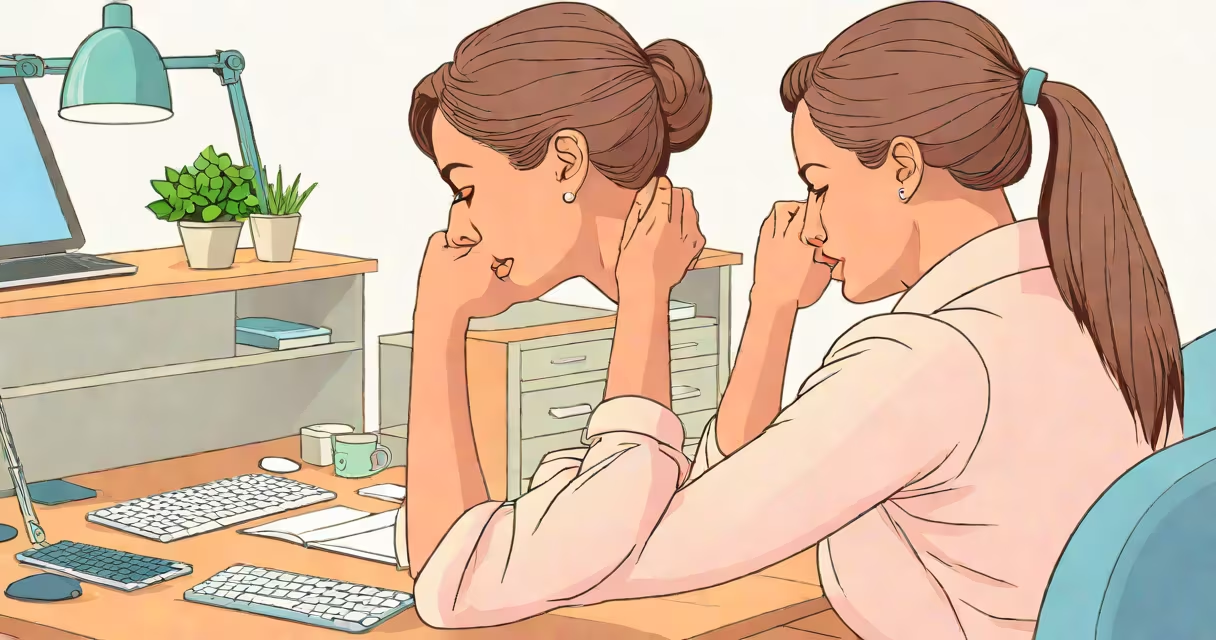
Back of neck hurts when I look up describes a sharp or dull ache in the upper neck and base of the skull that worsens when tilting the head backward. This symptom typically results from muscle strain, poor posture during screen use, or cervical spine misalignment.
The sensation usually begins in the upper trapezius and suboccipital muscles-small muscles near the skull's base. These muscles stabilize the head and support upward gaze. When fatigued or overused, they develop trigger points, leading to localized pain and referred discomfort. A 2021 study in Spine Journal found that 68% of adults reporting neck pain had increased activity in the upper trapezius during prolonged forward head posture.
Pain during upward gaze often appears suddenly after long periods of typing, reading, or using a phone. It may persist through the day or flare up at night. The discomfort rarely indicates serious spinal disease unless accompanied by numbness, weakness, or loss of balance-signs requiring immediate medical evaluation.
How the Pain Mechanism Works
When you look up, the neck extensor muscles contract to lift the head. Normally, this movement is smooth and controlled. But if the head is held forward-common during computer work-the neck muscles must work harder to maintain balance. This increases mechanical stress on the upper cervical spine and surrounding soft tissues.
Repetitive strain leads to micro-tears in muscle fibers. Inflammation follows, causing swelling and sensitivity. Nerves in the region, particularly the greater occipital nerve, become irritated. This results in sharp, shooting pain that radiates from the back of the head down the neck.
A 2022 review in Journal of Orthopaedic & Sports Physical Therapy confirmed that individuals who spend more than four hours daily on screens have a 2.3 times higher risk of developing neck pain during head extension compared to those with less screen exposure.
Common Causes and Triggers
Several factors contribute to back of neck hurts when I look up:
- Poor posture: Leaning the head forward while working or using a mobile device forces neck muscles to compensate.
- Overuse: Repeated upward glances-such as during gym workouts or watching TV from a reclined position-strain the upper trapezius.
- Stress-related tension: Emotional stress triggers involuntary muscle contraction, especially in the neck and shoulders.
- Cervical joint stiffness: Reduced mobility in the upper cervical vertebrae limits smooth motion, increasing load on supporting muscles.
One overlooked cause is improper pillow height during sleep. A pillow that elevates the head too much forces the neck into extension, maintaining strain even during rest. A 2020 study in Manual Therapy showed that participants using pillows higher than 10 cm experienced more morning neck pain during head extension tasks.
Types and Misconceptions
Back of neck hurts when I look up is not a diagnosis-it's a symptom. It can stem from musculoskeletal issues, nerve irritation, or referred pain from other areas. Confusing it with a pinched nerve or herniated disc is common but inaccurate in most cases.
For example, a cervical disc herniation may cause pain that radiates down the arm or into the shoulder, not isolated neck pain during upward gaze. True radicular symptoms include tingling, numbness, or weakness-signs absent in typical muscle strain.
Another misconception: people assume the pain originates from the spine itself. In reality, 85% of such cases involve soft tissue dysfunction, according to the American Academy of Physical Medicine and Rehabilitation (AAPM&R).
| Type | Key Features | Typical Duration |
|---|---|---|
| Muscle strain | Pain worsens with movement; localized tenderness; improves with rest | Hours to days |
| Nerve irritation | Sharp, electric-like pain; may radiate to shoulder or ear | Days to weeks |
| Joint dysfunction | Stiffness; clicking during movement; pain with sustained extension | Weeks if untreated |
Effective Relief and Prevention
Simple interventions reduce pain within 24-48 hours. Start with heat therapy: apply a warm compress for 15 minutes to increase blood flow and relax tight muscles. Follow with gentle stretching-tilt the head slowly to one side, hold for 20 seconds, then switch sides. Repeat twice daily.
I've personally used this routine after long days at my desk. After three days of consistent stretching and posture adjustment, the pain disappeared. I now set a reminder every hour to reset my head position-keeping ears aligned over shoulders.
Strengthening exercises improve long-term resilience. Perform chin tucks: sit upright, pull the chin inward without lifting the head. Hold for five seconds. Do 10 repetitions, twice daily. Research from the British Journal of Sports Medicine shows this exercise reduces neck pain by 40% in office workers after six weeks.
If pain persists beyond a week despite home care, consult a physical therapist. They can assess movement patterns and correct faulty mechanics. Avoid self-diagnosis-misattributing pain to a "pinched nerve" may lead to unnecessary imaging or medication.