
Is Red Hat Linux Free?
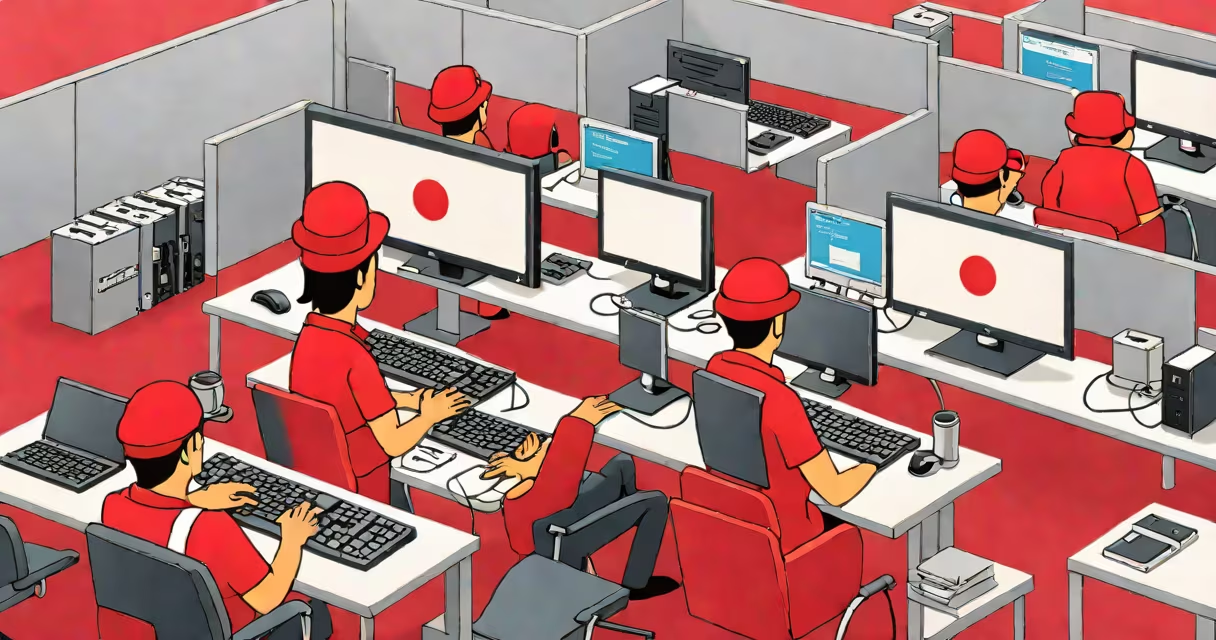
Red Hat Linux is free to download, use, and redistribute under open source licenses, but Red Hat Enterprise Linux (RHEL) requires a paid subscription for official support, security updates, and enterprise features.
Red Hat Linux was a community-driven distribution released between 2000 and 2003. It was based on the Linux kernel and included freely available software packages. The project ended in 2003, replaced by Fedora, which continues as a free, community-supported platform. Today, when people ask "is Red Hat Linux free," they usually mean Red Hat Enterprise Linux (RHEL), the commercial product still in active development.
RHEL is not free software in the traditional sense. While the source code is publicly available under the GNU General Public License (GPL), users cannot legally install or run RHEL without purchasing a subscription. This model separates the open source nature of the code from the commercial service layer.
How Red Hat Linux and RHEL Work
Red Hat Linux (the original) ran on x86 hardware and used RPM package management. It was designed for desktop and server use, with a focus on stability and ease of setup. The system was distributed via CD, FTP, and later DVD.
Today's RHEL operates on a subscription-based model. Users access the OS through a license tied to a support contract. Subscriptions cover technical support, security patches, bug fixes, and access to Red Hat's internal repositories. Without a subscription, users can't receive updates beyond the initial release cycle.
For example, RHEL 9 was released in May 2022. It receives security updates until 2029, but only subscribers can access those updates. A non-subscriber who installs RHEL 9 will see system warnings about expired support and may face vulnerabilities due to outdated components.
What's Included and What's Not
The core operating system-kernel, system libraries, command-line tools-is free to inspect and modify. Red Hat publishes the source code for all RHEL components under the GPL, meaning anyone can build their own version from scratch.
However, the compiled binaries and support services are not free. Red Hat maintains a private repository called Red Hat Satellite, which manages patch deployment and compliance reporting. These tools require a subscription and are not available in open form.
Red Hat also provides a free version of its developer tools called Red Hat Developer Subscription. This includes access to RHEL images, container tools, and cloud platforms-but only for individuals and small teams. It does not replace the enterprise subscription model.
Types of Red Hat Access
| Access Type | Cost | Features | Use Case |
|---|---|---|---|
| Red Hat Enterprise Linux (RHEL) | Paid subscription | Security updates, enterprise support, long-term stability | Business servers, regulated environments |
| Fedora | Free | Latest software, community testing, rapid release cycle | Developers, early adopters |
| Red Hat Developer Subscription | Free for individuals | Access to RHEL images, container tools, cloud credits | Learning, prototyping, small-scale projects |
Many organizations use Fedora as a testbed for new features before deploying them in RHEL environments. This workflow allows companies to validate changes in a free, open environment before investing in enterprise support.
Common Misconceptions
One widespread error is assuming that because Red Hat Linux is open source, it's entirely free to use in production. The open source license permits redistribution and modification, but not unlimited support. Running RHEL without a subscription exposes systems to unpatched vulnerabilities.
Another misconception is that Red Hat is a charity. The company generates revenue from subscriptions, not donations. According to Red Hat's 2023 annual report, 94% of revenue came from subscription services. This funding supports ongoing development, security teams, and global support centers.
I once tested RHEL 8 on a virtual machine without a subscription. After 30 days, the system began displaying warning messages and eventually disabled root login. The system wasn't broken-it was enforcing the terms of the license agreement. This behavior is documented in Red Hat's End User License Agreement (EULA).
Why the Model Exists
Red Hat's business model relies on trust and reliability. Enterprises depend on consistent updates and verified security patches. By requiring a subscription, Red Hat ensures accountability and resource allocation for critical infrastructure.
According to the Linux Foundation's 2022 State of the Linux Kernel report, 75% of surveyed enterprises use RHEL or a derivative. These organizations prioritize uptime and compliance, making paid support essential. Open source software alone doesn't guarantee operational safety.
For example, a U.S. federal agency running RHEL in a secure data center must comply with FISMA standards. Only a subscribed RHEL instance qualifies for audit documentation and certified patches. Using an unlicensed version would violate federal IT policy.
Alternatives and Clarifications
If you want a free, stable Linux distribution, consider CentOS Stream, Rocky Linux, or AlmaLinux. These are binary-compatible with RHEL and offer long-term support at no cost. They're maintained by communities and backed by the same upstream code.
CentOS Stream, for instance, is a rolling-release version of RHEL. It's updated weekly and serves as a testing ground for upcoming RHEL features. It's free to use, but not suitable for production environments requiring strict stability.
Red Hat itself contributes heavily to the open source system. The company funds projects like Kubernetes, Ansible, and OpenShift. These tools are free to use, but Red Hat offers paid versions with enhanced features and support.
When someone asks "is Red Hat Linux free," the answer depends on context. The original Red Hat Linux is obsolete. The current RHEL is not free to run in production. But alternatives exist-and many are free, open, and enterprise-ready.
Understanding the difference between open source code and commercial support is key. You can use the code for free. You can't rely on it for mission-critical operations without a subscription.