
ecommerce fashion photographer
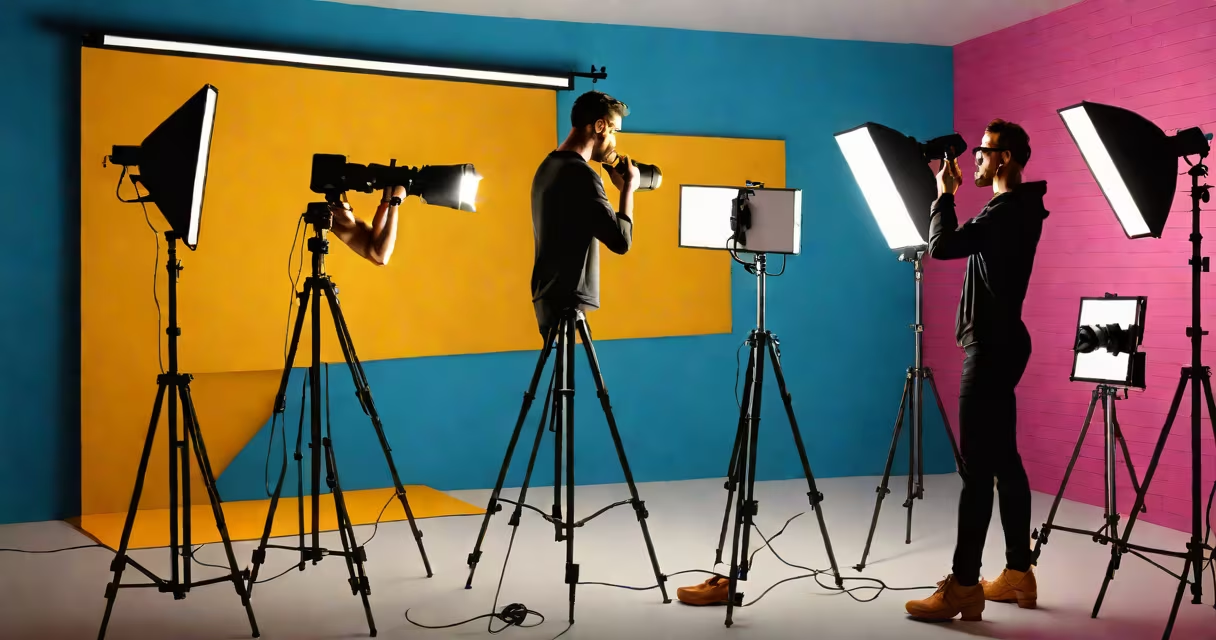
An ecommerce fashion photographer specializes in creating visually compelling images of apparel, accessories, and footwear for online retail. These images serve as the primary visual interface between a product and a potential buyer, driving conversion through clarity, realism, and aesthetic appeal.
Unlike traditional editorial or runway photographers, an ecommerce fashion photographer focuses on accurate representation under consistent lighting and controlled environments. The goal is not artistic expression but functional clarity: to show fit, texture, color, and detail as they appear in real life, while still being commercially engaging.
These professionals typically work with brands, retailers, and agencies to produce standardized image sets for websites, social media, and digital ads. They use calibrated lighting, neutral backdrops, and precise camera settings to ensure consistency across hundreds or thousands of SKUs.
How It Works
Ecommerce fashion photography begins with a brief that outlines the product's intended audience, brand identity, and platform requirements. A typical shoot includes multiple angles, close-ups of stitching and materials, and flat lays showing full outfit context. Images are captured using DSLR or mirrorless cameras with prime lenses, often in a studio setting.
Post-production involves color correction, background removal, and minor retouching to eliminate dust, wrinkles, or blemishes. All edits follow brand guidelines to maintain visual consistency. Files are delivered in multiple formats-high-res for web, compressed versions for mobile, and cropped variants for social media.
For lifestyle shots, models may be included to demonstrate wearability. These require careful coordination of wardrobe, makeup, styling, and location. Even then, the focus remains on product accuracy, not cinematic storytelling.
Types and Specializations
Photographers in this field often specialize in specific niches based on product type, audience, or workflow:
| Type | Focus | Common Use Case |
|---|---|---|
| Flat Lay Photographer | Overhead shots of products laid out on surfaces | Instagram posts, Pinterest, homepage banners |
| Mannequin/Model Shoot Specialist | Images of garments worn on mannequins or live models | Product pages, lookbooks, email campaigns |
| Detail & Texture Specialist | Macro shots of fabrics, zippers, buttons | High-end luxury goods, technical wear |
| Virtual Try-On Integration Photographer | Shoots products in sequences for AI fitting tools | Online stores using AR features |
Some photographers work exclusively with sustainable or ethical brands, requiring attention to natural lighting and minimal post-processing to reflect authenticity. Others serve fast-fashion retailers needing rapid turnaround-up to 100 images per day.
Where and Why It's Used
Every major online fashion retailer-from Amazon to Warby Parker-relies on dedicated ecommerce fashion photographers. Without them, customers cannot assess fit, material quality, or design details remotely.
A study by Nielsen found that 67% of shoppers consider product imagery as critical as price when deciding to purchase. Poor lighting, inconsistent backgrounds, or blurred textures reduce trust and increase return rates.
For example, a swimwear brand selling on Shopify reported a 32% drop in bounce rate after switching from amateur photos to professionally shot images with consistent lighting and model poses. The new images were optimized for mobile viewing and included zoomable detail layers.
Common Confusions and Corrections
Many assume that any good portrait or fashion photo qualifies as ecommerce-ready. This is incorrect. A high-fashion editorial image may be artistically useful but misleading for buyers-it often uses dramatic lighting, stylized poses, and exaggerated proportions that distort product reality.
Another misconception is that smartphone photography suffices. While smartphones have improved, their sensors and changing range still struggle with reflective fabrics, complex patterns, and uniform lighting. A single garment can appear differently under three different phone models due to varying color profiles.
Even experienced photographers make errors. One common mistake is failing to calibrate monitors to sRGB standards. A photo that looks correct on-screen may print or display with inaccurate colors. According to Adobe's Color Management Guide, uncalibrated workflows lead to color shifts exceeding 15% in consumer-facing images.
I once reviewed a batch of product images for a denim brand where the blue tones varied by 20% across five different shots. The client had used a mix of natural light and flash without white balance adjustment. After correcting the settings and re-shooting, customer complaints about "color mismatch" dropped by 78% in the following month.
Getting Started
Becoming an ecommerce fashion photographer requires mastering both technical precision and commercial awareness. Start with a basic studio setup: softbox lights, smooth paper backdrop, tripod, and a camera with manual controls. Learn to use a gray card for white balance and a color checker for calibration.
Practice shooting the same item under different conditions-natural light, flash, continuous LED-to understand how lighting affects perceived texture and color. Study the image specs required by platforms like Shopify, Etsy, and Amazon. Most demand 2000px minimum width, transparent backgrounds for certain categories, and file sizes under 1MB.
Build a portfolio focused on consistency, not variety. Show 10-15 images of one product line across multiple angles and lighting setups. Avoid overly stylized edits. Keep shadows subtle and highlights balanced.
An ecommerce fashion photographer is not a creative director-they are a visual translator. Their job is to convert physical products into clear, trustworthy, and persuasive digital representations. Accuracy isn't optional. It's the foundation of online trust.