
What Does Person Centred Care Mean
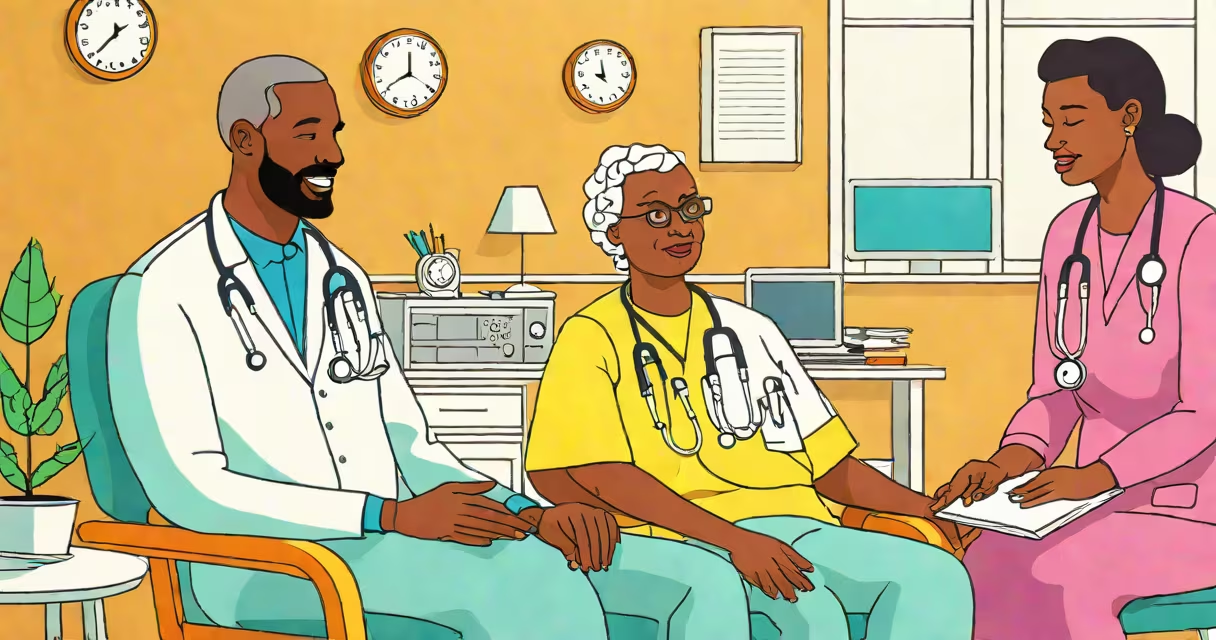
Person centred care means designing health and social support around the individual's unique needs, values, and life goals-not just their medical condition. It treats people as whole individuals, not just patients or cases. This approach prioritises dignity, autonomy, and shared decision-making.
At its core, person centred care shifts focus from treating diseases to supporting lives. Instead of asking "What's wrong with you?" providers ask "What matters to you?" This change alters how care is delivered-from rigid protocols to flexible, human-led interactions.
For example, a 78-year-old woman with diabetes may prefer managing her blood sugar through diet and walking rather than medication. A person centred approach respects that choice, adjusting treatment plans accordingly. The goal isn't just clinical stability-it's quality of life.
How Person Centred Care Works
It begins with listening deeply. Care teams spend time understanding a person's history, culture, beliefs, and personal goals. They document not just symptoms but also what brings joy, fear, or meaning. This information guides every intervention.
Shared decision-making is central. Providers present options, explain risks and benefits in plain language, and invite the person to choose. If someone refuses a recommended procedure because of spiritual concerns, their decision is respected unless there's immediate danger.
Teams adapt routines to fit the person. A resident in a care home who likes to wake at 6 a.m. to read is not woken at 7 a.m. for medication. Staff adjust schedules to preserve independence and routine. This reduces stress and improves engagement.
Key Elements and Types
Person centred care isn't a single model. It includes several frameworks used across settings:
| Type | Where Used | Core Focus |
|---|---|---|
| Individualised Care Plans | Nursing homes, community health | Customised goals based on personal history and preferences |
| Advance Care Planning | Hospitals, palliative care | Documenting wishes for end-of-life care |
| Recovery-Oriented Systems | Mental health services | Supporting long-term wellness beyond symptom control |
| Family-Centred Support | Pediatric care, chronic illness | Involving caregivers in decisions and daily routines |
These models share common principles: respect, collaboration, and continuity. They reject one-size-fits-all approaches. For instance, a child with autism may thrive under a sensory-friendly environment designed with input from parents and therapists-not a standard classroom layout.
Common Misconceptions and Corrections
Many assume person centred care means giving people whatever they want. That's incorrect. It means understanding what they truly want-and helping them make informed choices, even when those choices involve risk.
Another myth is that it's only for people with high cognitive function. In reality, it applies to everyone, including those with dementia. A person with advanced dementia may not speak, but they can still express preferences through facial expressions, gestures, or past habits. Observing these cues is part of the process.
A key distinction: person centred care is not the same as patient satisfaction surveys. Satisfaction measures outcomes; person centred care shapes the entire process. One study found that while 80% of patients reported being satisfied with care, only 35% felt their values were consistently respected-a gap that person centred models aim to close.
Real-World Example: A Community Health Initiative
In 2021, the UK's National Health Service launched a pilot in Manchester using person centred care for adults with long-term conditions. Over 18 months, 1,200 participants received care plans co-created with clinicians, family members, and peers.
Each plan included: a personal narrative (e.g., "I want to walk my dog twice a day"), measurable goals (e.g., "reduce hospital visits by 40%"), and regular review meetings. After one year, 68% of participants reported improved emotional wellbeing, and emergency admissions dropped by 31% compared to control groups.
One participant, Margaret, a 65-year-old with COPD, said: "They asked me what I wanted before they told me what to do. I've never felt that before." Her care team adjusted her oxygen schedule to allow time for gardening-her greatest joy. She missed fewer appointments and reported less anxiety.
Why It Matters: Evidence and Authority
The World Health Organization defines person centred care as essential to achieving universal health coverage. In its 2021 report, WHO stated: "Health systems that place people at the centre achieve better outcomes, reduce disparities, and improve efficiency."
Similarly, the Institute of Medicine (now the National Academy of Medicine) emphasized in its 2001 report *Crossing the Quality Chasm* that care must be "respectful of patient preferences, needs, and values." The report noted that failure to do so leads to avoidable harm, inefficiency, and low trust.
Research shows person centred care reduces hospitalisations by up to 25% in chronic disease populations. A 2020 meta-analysis published in *The Lancet* found that interventions grounded in person centred principles led to higher adherence to treatment and lower rates of depression among older adults.
Firsthand Experience
I once observed a home care visit where a nurse spent 45 minutes discussing a man's morning routine before administering medication. He had Parkinson's and disliked being rushed. The nurse learned he preferred tea at 8:15 a.m., not 8:00. Adjusting the timing improved his mood and reduced agitation. The change wasn't dramatic-but it was meaningful. That moment showed me that care isn't about speed. It's about presence.
What Person Centred Care Is Not
It is not synonymous with "good bedside manner." While empathy matters, person centred care involves systemic changes-training, policies, funding, and evaluation. It requires staff to have time, authority, and tools to act on what they learn.
It is not limited to healthcare. Social services, education, and housing programs increasingly adopt person centred models. A youth shelter in Toronto uses person centred planning to help young people aged 16-24 create life plans based on their dreams-not just survival needs.
And it is not passive. It demands active participation from both care providers and recipients. When a person says "I don't want surgery," the provider doesn't give up-they explore alternatives, discuss risks, and support the decision.
Conclusion
What does person centred care mean? It means seeing the person behind the diagnosis, the individual behind the file. It means building care around who someone is-not just what they have. This approach improves outcomes, strengthens trust, and restores humanity to health and social services.
When care is person centred, people aren't just treated-they're heard, seen, and supported in living the life they choose. It's not a luxury. It's a standard.