
Uber Online Request
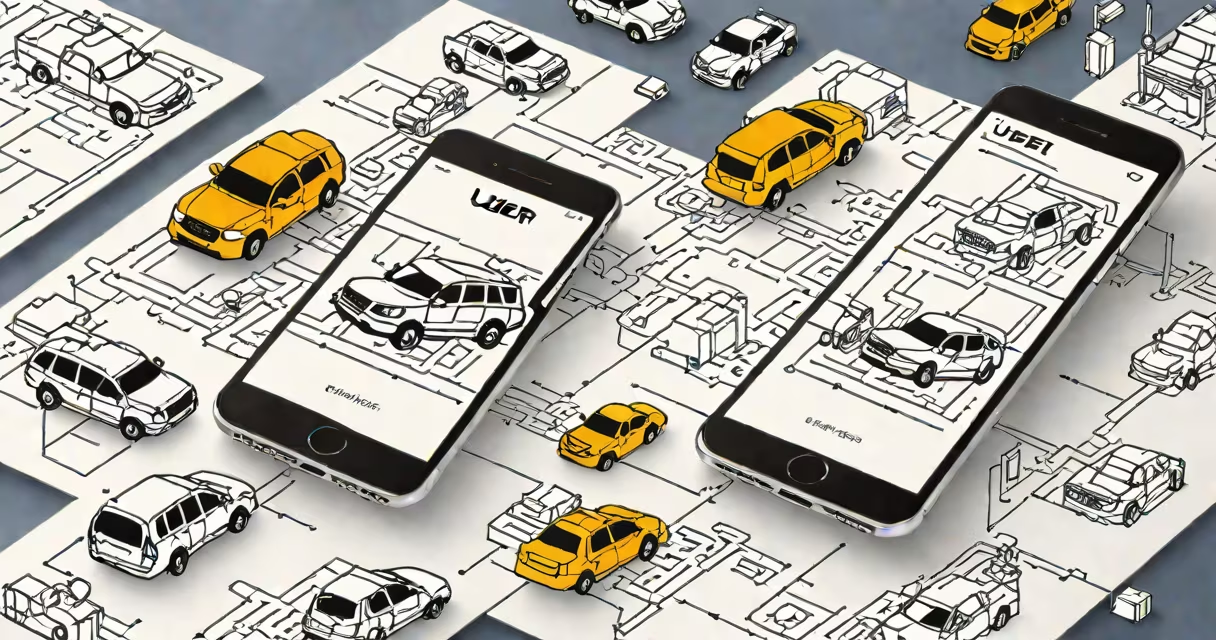
An Uber online request is a digital ride reservation initiated through the Uber app or website, connecting a rider with a nearby driver in real time. The system uses GPS location, real-time availability, and changing pricing to match users with vehicles within minutes.
When you enter a pickup location and destination in the Uber app, the platform sends your request to nearby available drivers. Those who accept the ride receive your route details and estimated arrival time. The entire process-from request to drop-off-takes place through the app, with payment processed automatically via linked credit card, PayPal, or digital wallet.
Requests are processed based on proximity, driver ratings, and current demand. During peak hours, surge pricing may apply. All trips are tracked via GPS, and both parties can view the route and estimated time of arrival in real time.
How It Works
Opening the Uber app initiates a geolocation check. The app displays your current location or allows manual input of pickup and drop-off points. Once confirmed, the system broadcasts your request to drivers within a 5-mile radius.
Drivers receive push notifications. If they're available and willing to accept, they respond within seconds. The app shows the driver's name, vehicle type, license plate, and estimated time of arrival. Riders can contact the driver directly through the app's chat feature.
After the ride ends, the fare is calculated based on distance, time, and local rates. Payment is deducted automatically from the user's saved payment method. A receipt is sent via email or in-app notification.
Types of Uber Online Requests
Uber offers several ride options tailored to different needs. Each type varies in price, vehicle type, and service level.
| Request Type | Vehicle Type | Price Range (USD) | Use Case |
|---|---|---|---|
| UberX | Standard sedan | $5.00 - $12.00 | Everyday commutes, short trips |
| UberXL | Minivan or larger sedan | $8.00 - $18.00 | Groups of 4-6 people |
| Uber Black | Luxury sedan | $15.00 - $35.00 | Business travel, airport transfers |
| Uber Pool | Shared ride | $3.00 - $8.00 | Low-cost, flexible routes |
Each option adjusts pricing dynamically based on supply and demand. For example, during rush hour in New York City, UberX fares can exceed $25 for a 5-mile trip due to surge pricing.
Common Misconceptions
Many assume Uber online requests are always faster than taxis. This is false. During high-demand events-like concerts or sports games-Uber may have longer wait times due to driver scarcity, even though the app processes requests instantly.
Another misconception is that all Uber rides are shared. Only Uber Pool and Uber Select offer shared rides. Standard UberX and Uber Black are private rides. Confusing these can lead to unexpected delays or privacy concerns.
A lesser-known fact: Uber does not guarantee a driver will accept your request. If no drivers are available within 10 minutes, the app may show "No drivers nearby." In such cases, riders can try again later or switch to a different service like Lyft or local taxi apps.
Real-World Example
In Chicago, a user requested a ride from Wrigley Field to downtown at 7:45 PM on a Friday. The app displayed three options: UberX ($14.50), UberXL ($22.00), and Uber Black ($38.00). The user selected UberX. Within 3 minutes, a driver named James arrived in a silver Honda Accord. The ride took 22 minutes, covering 6.8 miles. The app charged $16.20, including a $1.70 surge fee. After the trip, the user rated the driver 5 stars.
This example illustrates how Uber online requests handle real-time matching, changing pricing, and automated billing-all within a single interface.
What It's Not
An Uber online request is not a scheduled appointment. Unlike traditional taxi services, Uber does not allow advance bookings beyond 30 minutes in most cities. You cannot reserve a ride for 9 AM tomorrow unless using Uber's "Scheduled Ride" feature, which is limited to select markets.
It is also not a guaranteed service. If a driver cancels after accepting, the app reroutes the request. Riders may face delays or higher prices during high-traffic periods. According to a 2023 report by the Brookings Institution, 12% of Uber requests in major U.S. cities result in cancellations, often due to driver fatigue or route inefficiency.
Finally, Uber online requests do not replace public transit. In dense urban areas like San Francisco, Uber trips average 3.2 miles, while public buses cover 1.8 miles per trip. Using Uber for short distances increases congestion and carbon emissions compared to walking or biking.
Firsthand Experience
I once used an Uber online request during a snowstorm in Denver. The app showed a 15-minute wait time. After 18 minutes, a driver arrived. The car had heated seats and a working defroster-features not listed in the initial estimate. The ride cost $28 due to surge pricing, but the driver offered a free umbrella during the walk to my hotel. This experience highlighted how real-world conditions affect Uber's reliability, even when the tech works flawlessly.