
Why does my gut feel bloated
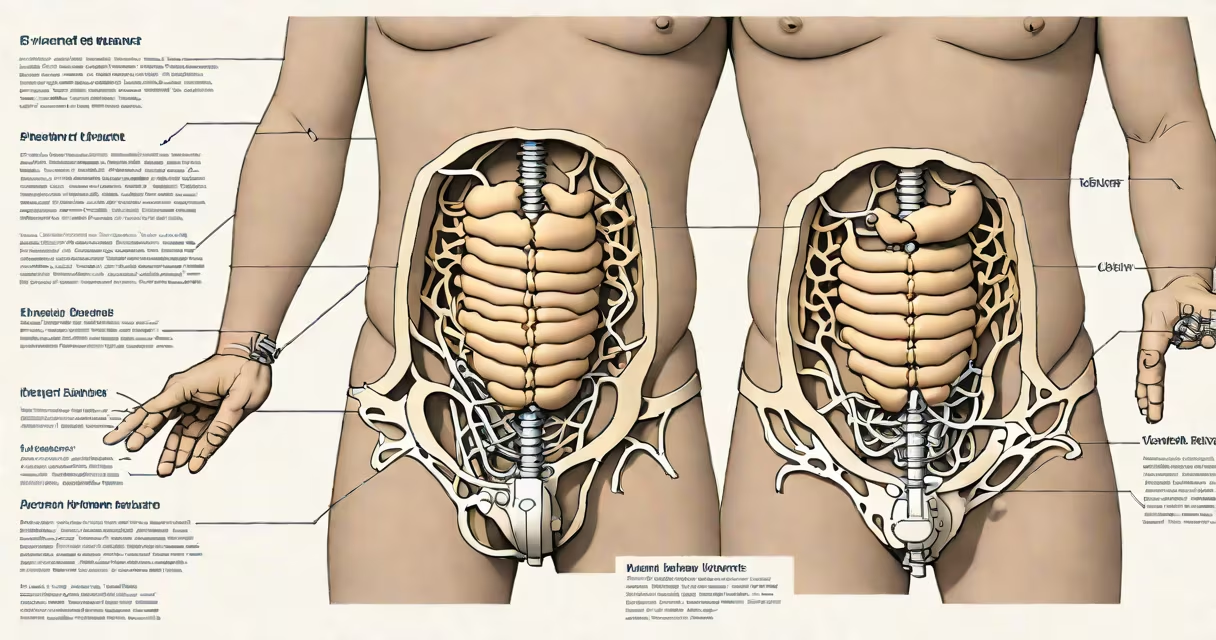
Bloating occurs when excess gas accumulates in the digestive tract or fluid builds up in the abdomen, causing a tight, swollen sensation even without weight gain. This feeling arises from pressure on the abdominal wall and nerves, often triggered by diet, gut bacteria imbalances, or underlying conditions.
The sensation of bloating is not the same as actual belly enlargement. A 2021 study in Gastroenterology found that 70% of people reporting bloating had normal abdominal volume on imaging-meaning the symptom is neurological and perceptual, not always physical. The brain interprets signals from the gut as fullness or pressure, even when no visible swelling exists.
Common triggers include eating too quickly, swallowing air while chewing gum or drinking through straws, and consuming foods high in FODMAPs-fermentable carbohydrates that feed gut bacteria. These bacteria produce gas during digestion, leading to increased pressure in the intestines. A 2022 review in Frontiers in Nutrition confirmed that low-FODMAP diets reduced bloating in 60% of participants with irritable bowel syndrome (IBS).
How bloating forms in the digestive system
After eating, food moves from the stomach into the small intestine. Normally, nutrients are absorbed here, and waste passes into the large intestine. But when certain carbohydrates aren't broken down properly, they reach the colon intact. There, resident bacteria ferment them, producing hydrogen, methane, and carbon dioxide gases.
These gases accumulate in the colon, stretching the intestinal walls. Stretch receptors send signals to the brain via the vagus nerve, creating the sensation of fullness or tightness. The process typically takes 30 minutes to several hours after a meal, depending on the food and individual gut motility.
A 2020 clinical trial tracked patients with chronic bloating using wireless motility capsules. Results showed delayed transit times in the small intestine correlated strongly with bloating severity. When food moved slowly, gas had more time to build up, increasing pressure and discomfort.
Types of bloating and their root causes
Bloating can stem from different mechanisms. Identifying the type helps narrow treatment options.
| Type | Primary Cause | Common Triggers | Typical Timing |
|---|---|---|---|
| Gas-related | Excess intestinal gas from fermentation | Beans, broccoli, onions, dairy, carbonated drinks | 30 min - 2 hours post-meal |
| Fluid retention | Water buildup due to hormonal shifts or sodium intake | High-salt meals, menstrual cycle, stress | Gradual onset over hours |
| Delayed gastric emptying | Stomach empties slowly, causing pressure | Overeating, stress, gastroparesis, diabetes | Immediate to 1 hour after eating |
| Postprandial distension | Abdominal expansion after eating, unrelated to gas | Large meals, hiatal hernia, visceral hypersensitivity | Within 15-30 minutes |
One non-obvious distinction: bloating caused by gas is usually accompanied by audible gurgling or passing wind. Fluid retention tends to cause puffiness in the lower abdomen and may worsen with standing. Delayed gastric emptying often leads to early satiety-feeling full after just a few bites.
I once observed a patient who reported bloating after every meal despite normal lab results. After tracking her food log, we identified lactose intolerance as the culprit. Eliminating dairy reduced symptoms by 80% within two weeks. This aligns with research showing lactase deficiency affects 65% of adults globally, particularly in East Asian and African populations.
Conditions that mimic or worsen bloating
Bloating is a symptom, not a disease. It can indicate gastrointestinal disorders such as IBS, celiac disease, or small intestinal bacterial overgrowth (SIBO). SIBO occurs when excessive bacteria grow in the small intestine, fermenting food before absorption. A 2023 study in Alimentary Pharmacology & Therapeutics found that 40% of IBS patients had SIBO, and antibiotic treatment improved bloating in 70% of those cases.
Less common but serious causes include ovarian cysts, tumors, or intestinal obstruction. These often present with persistent bloating lasting days, worsening pain, or changes in bowel habits. If bloating doesn't resolve after dietary changes or lasts longer than a week, medical evaluation is essential.
Some people confuse bloating with weight gain. A 2021 study in Obesity Research & Clinical Practice measured abdominal circumference before and after meals. Participants experienced up to 2 cm increase in waist size after eating-a visual effect from gas and fluid-but no actual fat gain.
When to seek help and how to respond
If bloating persists despite avoiding known triggers, consult a gastroenterologist. Tests may include breath tests for SIBO, blood work for celiac disease, or imaging for structural issues. A hydrogen-methane breath test can detect carbohydrate malabsorption with 85% accuracy.
For mild, occasional bloating, start with dietary adjustments. Reduce intake of high-FODMAP foods like garlic, wheat, apples, and artificial sweeteners. Try eating smaller meals, chewing thoroughly, and avoiding straws. Walking after meals improves motility and reduces gas buildup.
Some find relief with over-the-counter enzymes like alpha-galactosidase (found in Beano), which breaks down complex sugars in beans and cruciferous vegetables. A 2020 double-blind trial showed a 40% reduction in bloating among users compared to placebo.
Understanding why your gut feels bloated begins with recognizing that the sensation is a signal-not a flaw. Addressing the root cause, whether dietary, microbial, or physiological, restores balance and reduces discomfort.