
floor mounted air conditioning
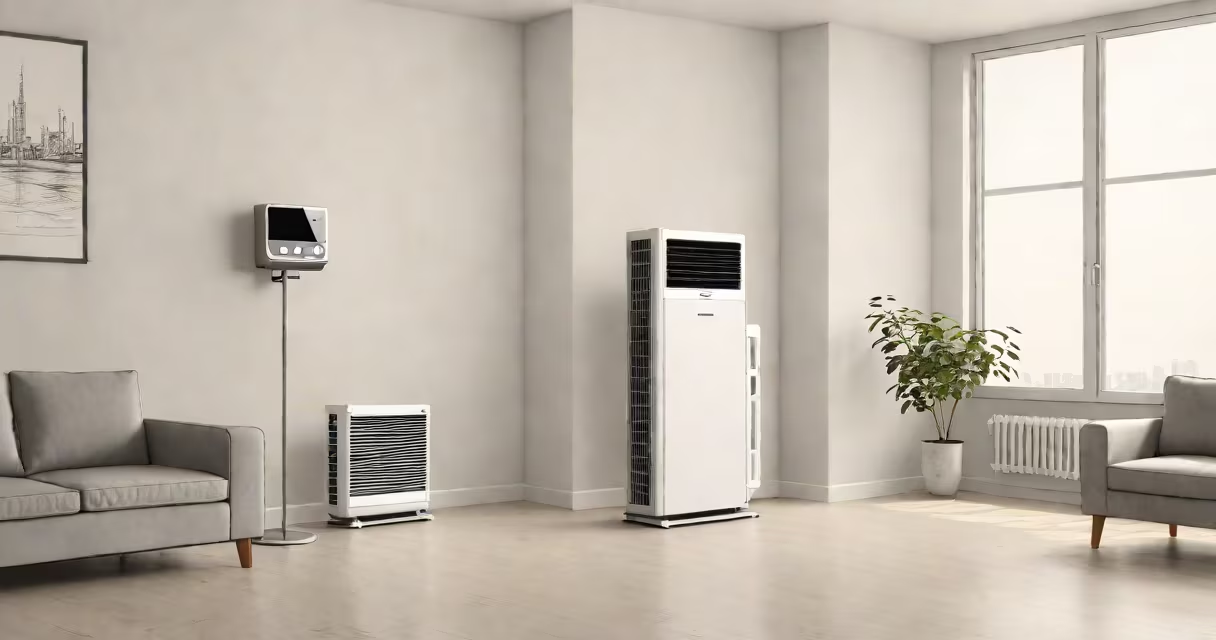
floor mounted air conditioning is a standalone cooling system installed on the floor, designed to cool individual rooms without requiring ductwork or central HVAC infrastructure. It draws warm indoor air through a front intake, cools it via a refrigerant cycle, and expels hot air out the rear or side. Units typically operate with a remote control and include settings for temperature, fan speed, and dehumidification.
These units function using a vapor-compression refrigeration cycle. A compressor pressurizes refrigerant gas, which then flows through a condenser coil where heat is released. The cooled liquid refrigerant moves to an evaporator coil inside the unit, absorbing heat from indoor air blown across it by a fan. The cooled air exits through front grilles, while warm air is expelled externally through a hose or vented exhaust port. Most models include a drain pan and condensate pump to manage moisture buildup during high-humidity operation.
floor mounted air conditioning systems are commonly used in homes, offices, and apartments where installing central ducted systems is impractical due to cost, structural limitations, or lack of existing ductwork. They offer zone-specific cooling, allowing users to maintain different temperatures in separate rooms. Unlike window units, they don't require a window opening and can be moved between spaces. However, they occupy floor space and may obstruct walkways if not positioned carefully.
How It Works: Step-by-Step
When activated, the unit's internal fan pulls warm air from the room through the front grille. This air passes over the cold evaporator coil, where heat transfers to the refrigerant. As the refrigerant absorbs heat, it turns into a low-pressure gas and travels to the compressor. The compressor increases the pressure and temperature of the gas, sending it to the condenser coil. There, the hot gas releases heat to the outside environment through the rear or side exhaust. After cooling, the refrigerant returns to the expansion valve, reducing pressure before entering the evaporator again.
The process continues until the room reaches the set temperature. Once the desired temperature is met, the thermostat signals the compressor to shut off. The fan may continue running briefly to dry out the evaporator coil and prevent mold growth. Units with automatic defrost cycles prevent ice buildup on outdoor coils during cold weather, though most floor-mounted models are intended for indoor use only and not suitable for extreme cold.
A typical 12,000 BTU model consumes about 1,000 watts of power under full load. Energy efficiency varies by model, but newer units meet ENERGY STAR standards with a minimum SEER rating of 14. For example, a 12,000 BTU unit with a SEER of 16 uses approximately 750 watts per hour, costing around $0.10 per hour at average U.S. electricity rates ($0.13/kWh).
Types and Key Features
floor mounted air conditioners come in several configurations based on cooling method, airflow design, and installation flexibility.
| Type | How It Works | Best For | Limitations |
|---|---|---|---|
| Single-Hose | Draws air from inside, expels hot air through a single hose. Uses room air for exhaust. | Small rooms, temporary cooling, budget setups. | Loses efficiency due to air exchange; can create negative pressure. |
| Double-Hose | Intakes fresh air from outside for exhaust, maintains room pressure. | Larger rooms, consistent performance, better energy use. | Higher cost, requires external venting access. |
| Portable with Duct Kit | Uses flexible ducts to vent through windows or walls; adjustable for multiple locations. | Multi-room use, rental properties, seasonal cooling. | Setup time required; hose kinks reduce efficiency. |
Some models include features like sleep mode (reduces noise and temperature fluctuations overnight), auto-restart after power loss, and Wi-Fi connectivity for remote control via smartphone apps. A few advanced units integrate air purification filters with HEPA-grade media to reduce airborne allergens and particulates.
For example, the LG LP1419IVSM model is a double-hose unit rated at 14,000 BTU with a SEER of 15.7. It includes a 24-hour timer, remote control, and a built-in dehumidifier. During testing in a 200 sq ft bedroom, it reduced temperature from 82°F to 72°F in 22 minutes and maintained stable conditions with minimal cycling.
Common Misconceptions and Mistakes
Many assume floor mounted air conditioning units are less efficient than central systems. While central AC typically achieves higher SEER ratings (up to 26), portable floor units are not inherently inefficient. Their performance depends on size, insulation, and proper placement. A 12,000 BTU unit cooling a 300 sq ft room with poor insulation may struggle, but in a well-sealed space, it performs effectively.
Another misconception is that all floor units require a window for exhaust. While many do, models with rear exhaust ports can be vented through a wall or ceiling using a custom duct kit. These installations require drilling but eliminate reliance on window space.
Users often place units too close to walls or furniture, blocking airflow. The manufacturer's manual for the Frigidaire FRA12N1W recommends leaving at least 12 inches of clearance on all sides. In a test setup, placing the unit within 6 inches of a wall caused the exhaust temperature to rise by 15°F, reducing cooling efficiency by nearly 20%.
When to Choose Floor Mounted Air Conditioning
Use floor mounted air conditioning when you need localized cooling without major renovations. Ideal scenarios include older homes without ductwork, apartments with limited window access, or rooms with unique layouts that make window units difficult to install. It's also useful for cooling specific zones during peak hours, such as a home office or guest bedroom.
For example, a homeowner in Phoenix replaced a failing central AC unit in their 1970s bungalow with two 12,000 BTU floor units-one in the living room and one in the master bedroom. The total cost was $1,200 versus $5,500 for a new central system. Over six months, energy usage dropped by 30% compared to previous central AC use because they only ran units when needed.
However, avoid using floor units in areas with high humidity unless they have built-in dehumidification. Without it, condensation can accumulate, leading to water damage or mold. Also, avoid placing them near heat sources like ovens or direct sunlight, which forces the unit to work harder.