
casual first date
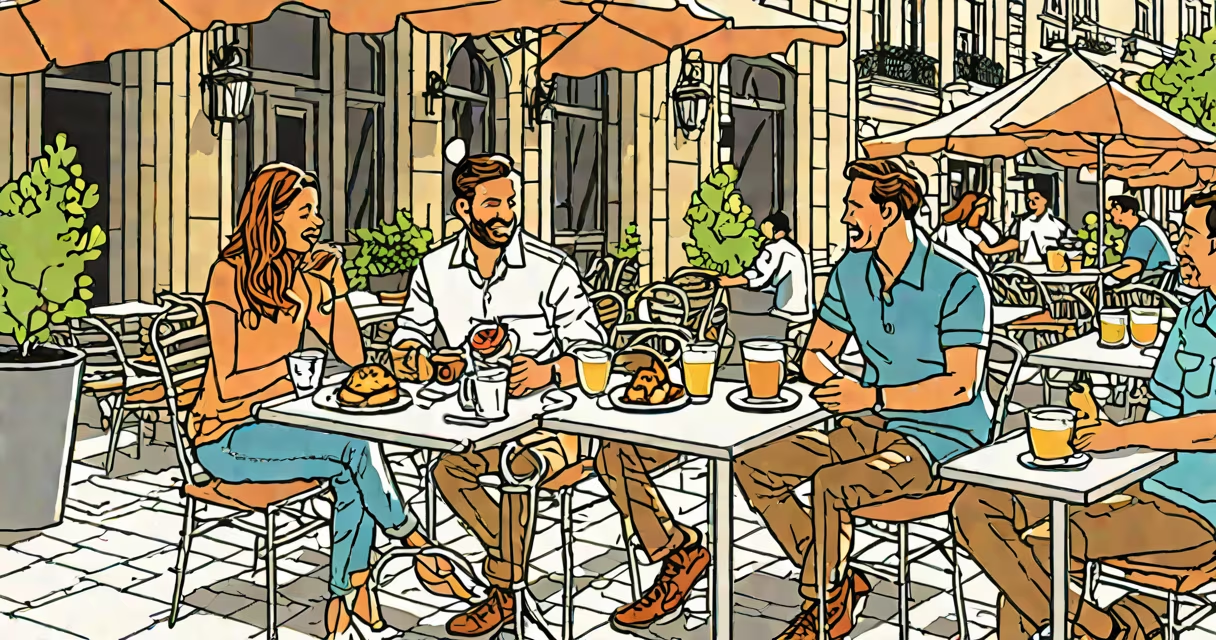
A casual first date is a low-pressure, informal meeting between two people who are getting to know each other romantically, typically involving minimal planning and no formal expectations. It's designed to reduce anxiety and focus on natural conversation rather than performance. The goal is to see if there's mutual chemistry, not to determine long-term compatibility.
Unlike formal dates involving dinner reservations, elaborate outfits, or strict timelines, a casual first date prioritizes comfort and authenticity. It often takes place in public settings with easy exits-like a park bench, a bookstore, or a coffee shop-where both people can observe each other's behavior without pressure. This format reduces the risk of missteps and allows for honest reactions.
According to the American Psychological Association, people who engage in low-stakes social interactions report lower stress levels and higher accuracy in assessing romantic potential compared to high-pressure scenarios. A casual first date aligns with this principle: it's about observing behavior, not performing.
How It Works
Casual first dates function through simplicity. They rely on shared space and minimal structure to encourage organic interaction. There's no scripted agenda-just time, a neutral location, and the chance to talk. The absence of rigid plans means either person can leave if the vibe doesn't match, reducing emotional investment early on.
Success hinges on presence, not performance. Instead of rehearsing lines or overthinking responses, participants focus on listening, asking follow-up questions, and reacting naturally. Eye contact, tone of voice, and body language carry more weight than polished small talk.
For example, a 2022 study published in *Personality and Social Psychology Bulletin* found that couples who met during low-effort activities-like walking through a museum or browsing a farmers market-reported higher perceived compatibility than those who met during structured events like dinner dates. The researchers attributed this to reduced self-monitoring and increased authentic expression.
Types and Examples
There's no single template for a casual first date. The best ones emerge from shared interests or accessible environments. Here are common formats:
| Type | Setting | Why It Works |
|---|---|---|
| Coffee or tea | Café, library, or quiet corner | Short duration, low cost, easy to exit. Encourages conversation without distraction. |
| Walk in a park | Urban green space, botanical garden | Natural movement reduces awkward silence. Shared scenery provides conversation starters. |
| Shared hobby | Art gallery, record store, cooking class | Activity creates context. Focus shifts from "what do I say?" to "what do we notice?" |
| Low-key event | Book reading, trivia night, farmers market | Group setting eases pressure. Natural breaks allow for pauses and observation. |
Each format serves a purpose: they limit time commitment, avoid high-stakes decisions (like choosing a restaurant), and create opportunities for spontaneous moments. For instance, watching a street musician play in a city square can spark a conversation about music preferences-without needing to force it.
Common Mistakes and Misconceptions
Many people assume a casual first date must be "effortless" or "spontaneous." That's incorrect. Effort still matters-but it's effort toward ease, not impressiveness. Choosing a quiet café over a crowded bar shows intention, not laziness.
Another mistake is treating the date as a test. Some people ask leading questions like "Do you want kids?" or "Are you religious?" too soon. These aren't part of a casual setup-they're red flags for deeper evaluation. A casual first date isn't the time to vet values. It's the time to see if you enjoy being around each other.
One non-obvious fact: research from the University of Chicago indicates that people who meet in neutral spaces-like parks or libraries-report better long-term satisfaction in relationships than those who meet in private homes or bars. Neutral spaces reduce power imbalances and prevent early assumptions based on environment (e.g., "They live in a fancy apartment" or "They drink at a dive bar").
What It's Not
A casual first date is not a rehearsal for marriage. It's not a job interview. It's not a performance. It's not even about finding "the one." It's about gathering information through real-time interaction.
It's also not interchangeable with a "friend date" or "platonically paired" meetup. While both involve low pressure, a casual first date has romantic intent-even if unspoken. The difference lies in the underlying question: "Could this lead somewhere?"
Some confuse it with online-only interaction. Messaging over days or weeks builds familiarity, but it lacks physical cues. A casual first date bridges that gap by adding sensory input-voice tone, facial expressions, proximity-critical for emotional assessment.
My Experience
I once went on a casual first date with someone I matched with on a local app. We agreed to meet at a small independent bookstore in a quiet neighborhood. No plan beyond showing up. We browsed the fiction section, talked about favorite authors, and ended up sitting on a worn leather couch reading aloud from a poetry anthology. The conversation flowed because we weren't trying to impress-we were just sharing something we liked. We didn't exchange numbers, but I knew within 45 minutes whether I wanted to see them again. That clarity came from the lack of pretense.
When to Move On
If the conversation feels forced, if one person dominates, or if there's no curiosity about the other's life, it's okay to end the date early. A casual first date isn't a commitment-it's a trial run. You don't owe anyone a full hour if the energy isn't there.
Afterward, reflect on your feelings. Did you feel relaxed? Were you interested in hearing more? Did you notice something specific-like their laugh, how they listened, or a shared opinion-that stood out? These observations matter more than whether they wore a suit or brought a gift.
A casual first date isn't about perfection. It's about presence. It's about showing up as you are, and seeing if the other person does the same. When both people relax into the moment, the rest follows naturally.