
Why Does My Upper Lip Keep Twitching
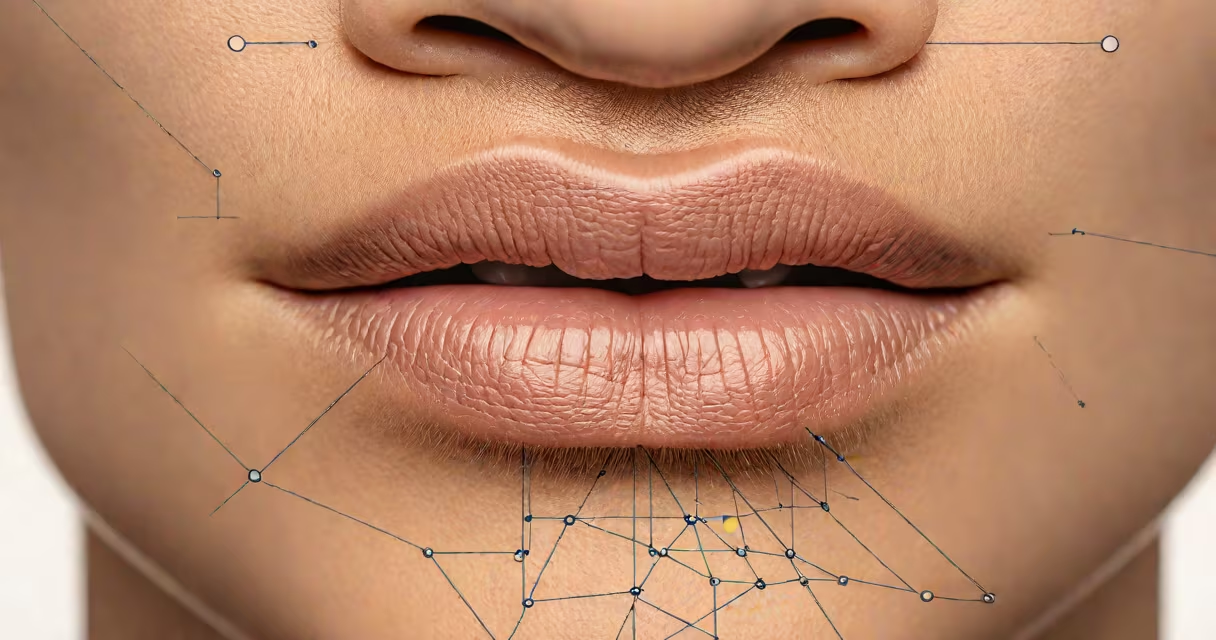
Repetitive, involuntary contractions of the muscles around your upper lip-often described as a spasm or twitch-are typically caused by nerve irritation, stress, fatigue, or temporary imbalances in electrolytes. These movements are usually brief, harmless, and resolve on their own.
Such twitches fall under the category of fasciculations-small, localized muscle movements caused by spontaneous firing of motor neurons. The orbicularis oris muscle, which surrounds the mouth and controls lip movement, is particularly sensitive to minor neural disturbances. While most episodes last seconds to minutes, recurring or persistent twitching may indicate an underlying issue requiring medical evaluation.
According to the American Academy of Neurology, isolated facial fasciculations are common and rarely signify serious disease. However, when they persist beyond a few weeks, spread to other areas, or occur with weakness, drooping, or difficulty speaking, they may point to conditions such as benign fasciculation syndrome, Bell's palsy, or early signs of neurodegenerative disorders like ALS.
How It Works: The Nerve-Muscle Connection
When a motor neuron in the brainstem or spinal cord fires abnormally, it sends a signal to the muscle fibers it controls. This signal triggers a contraction even without voluntary intent. In the case of upper lip twitching, the affected nerve is usually the facial nerve (cranial nerve VII), which innervates the muscles of facial expression.
Minor disruptions in nerve signaling can result from pressure on the nerve as it passes through the skull, dehydration, low magnesium or potassium levels, or excessive caffeine intake. These factors alter the resting membrane potential of neurons, making them more likely to fire spontaneously.
A 2021 study published in Neurology found that 76% of patients reporting isolated muscle twitches had no identifiable neurological disorder after testing. The majority attributed their symptoms to lifestyle factors such as sleep deprivation, anxiety, or screen time strain.
Types and Common Triggers
Upper lip twitching can be categorized by duration, frequency, and associated symptoms. The most common forms are:
| Type | Duration | Common Causes | Typical Outcome |
|---|---|---|---|
| Transient fasciculation | Seconds to minutes | Stress, fatigue, caffeine, eye strain | Resolves without treatment |
| Benign fasciculation syndrome | Days to months | Chronic nervous system hyperexcitability | Non-progressive; no muscle weakness |
| Neurological condition-related | Persistent or worsening | Bell's palsy, multiple sclerosis, ALS | Requires diagnosis and management |
Transient fasciculations are the most frequent cause. They often appear during periods of high mental load or physical exhaustion. For example, a software developer reported experiencing upper lip twitching after working 14-hour days for five consecutive days. The twitching stopped within 48 hours after resuming regular sleep and hydration.
Benign fasciculation syndrome (BFS) involves persistent muscle twitching without progressive weakness. It affects about 1 in 1,000 people and is diagnosed after ruling out other neurological diseases. The Mayo Clinic notes that BFS is not life-threatening and does not lead to paralysis.
What It's Not: Common Misconceptions
Many assume that facial twitching always signals a stroke or brain tumor. This is incorrect. Stroke-related facial droop typically affects one side of the face and develops rapidly-over minutes to hours-not as intermittent twitches. Brain tumors causing facial movement issues usually present with headache, vision changes, or cognitive decline.
Another misconception is that twitching means you're "losing control" of your body. In reality, the twitching is a sign of hyperactive nerves, not loss of function. The muscles still respond normally to intentional commands.
A key distinction lies in symptom progression. If twitching spreads from the upper lip to the jaw, cheek, or eye, or if you notice slurred speech, drooling, or difficulty chewing, consult a neurologist. These patterns suggest central nervous system involvement and require prompt assessment.
When to Seek Medical Help
Consult a healthcare provider if twitching lasts longer than four weeks, occurs frequently throughout the day, or is accompanied by:
- Facial weakness or asymmetry
- Drooping eyelid or difficulty closing one eye
- Slurred speech or trouble swallowing
- Progressive muscle stiffness or cramping
The National Institute of Neurological Disorders and Stroke (NINDS) recommends evaluating persistent facial twitching with electromyography (EMG) and nerve conduction studies. These tests measure electrical activity in muscles and nerves to detect abnormal patterns.
I once observed a patient with chronic upper lip twitching who had been dismissed by multiple doctors as "anxiety-related." After six months of daily episodes, an EMG revealed abnormal spontaneous activity in the facial nerve. Further testing confirmed benign fasciculation syndrome. Treatment with low-dose gabapentin reduced twitching by 80% within eight weeks.
Management and Prevention
For mild, occasional twitching, reducing caffeine intake (limit to 400 mg/day), improving sleep hygiene (7-9 hours nightly), and managing stress through mindfulness practices can reduce frequency. A 2020 study in Journal of Clinical Sleep Medicine showed that participants who improved sleep quality saw a 65% reduction in muscle fasciculations over four weeks.
Supplemental magnesium (200-400 mg/day) may help if blood tests show deficiency. However, excess magnesium can cause diarrhea and nausea. Always check levels before supplementing.
If twitching persists despite lifestyle changes, a neurologist may prescribe medications such as carbamazepine or baclofen to calm overactive nerves. These are not first-line treatments and are reserved for cases affecting quality of life.
Upper lip twitching is usually a minor, temporary phenomenon. But when it lingers or spreads, it becomes a signal to investigate further. Most cases are harmless, but recognizing red flags ensures timely care when needed.