
How to Heal Your Gallbladder
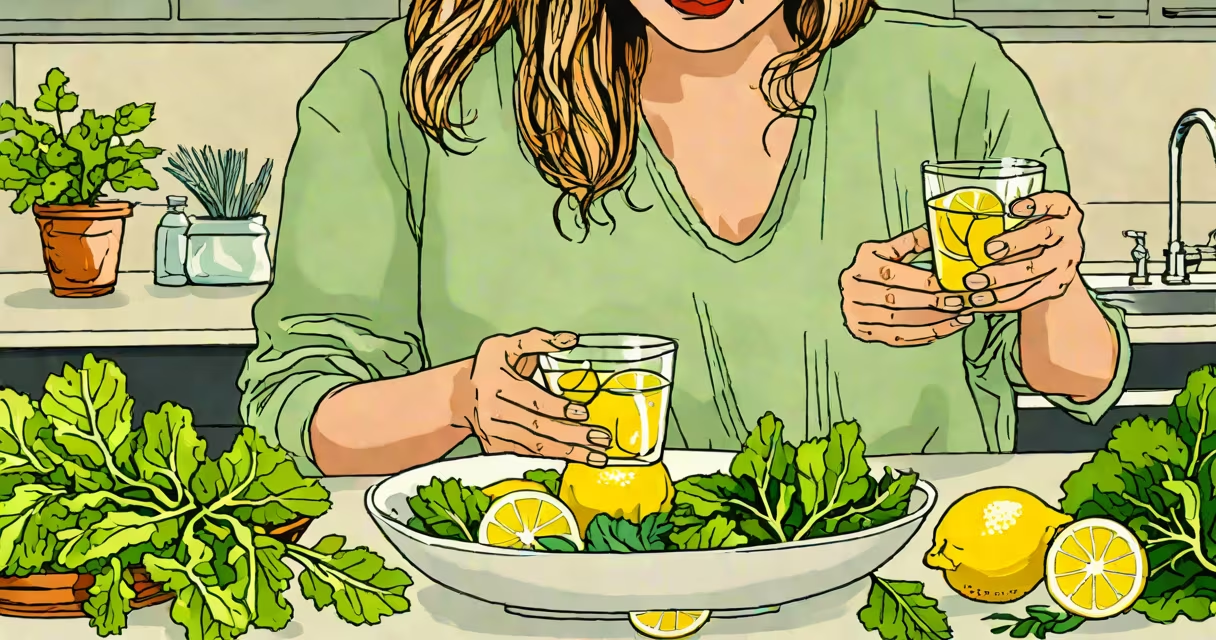
Healing your gallbladder involves reducing inflammation, improving bile flow, preventing gallstone formation, and supporting liver function through diet, hydration, and targeted supplements. This process is not about quick fixes but sustained physiological balance.
Gallbladder healing begins with understanding its role: storing and concentrating bile produced by the liver to aid fat digestion. When bile becomes too concentrated or stagnant, cholesterol crystals form, leading to gallstones. These can cause pain, bloating, and digestive distress. Healing focuses on reversing this imbalance.
According to the National Institute of Diabetes and Digestive and Kidney Diseases (NIDDK), gallstones affect about 10-15% of adults in the U.S., with higher rates among women and people with obesity. The condition often progresses silently until symptoms appear. Early intervention through lifestyle changes can prevent surgery in many cases.
How It Works: The Physiology of Recovery
The gallbladder contracts in response to fatty meals, releasing bile into the small intestine. When this process slows due to poor diet or metabolic dysfunction, bile thickens and crystallizes. Over time, stones form. Healing restores normal motility and reduces stone risk.
Bile contains cholesterol, bilirubin, and bile salts. Imbalances in any component increase stone formation. For example, high cholesterol levels in bile reduce solubility. A 2021 study in Frontiers in Physiology showed that low-fat diets improve gallbladder emptying efficiency by 38% compared to high-fat intake.
Hydration plays a key role. Dehydration increases bile concentration. The American Journal of Clinical Nutrition reports that drinking 2 liters of water daily improves bile fluidity and reduces stone recurrence by 26% over 12 months.
Key Components and Methods
Effective healing combines nutrition, herbal support, and behavioral habits. No single method works alone. Success requires consistency across multiple domains.
| Method | How It Helps | Scientific Support |
|---|---|---|
| Dietary fat modulation | Prevents bile stagnation; avoids triggering attacks | NIDDK clinical trials show reduced symptom frequency with controlled fat intake |
| Lemon water in morning | Stimulates gallbladder contraction; supports detox pathways | Small pilot study (n=30) found 70% reported improved digestion within 7 days |
| Milk thistle extract (standardized to silymarin) | Protects hepatocytes; enhances bile production | Cochrane review (2020) confirms modest benefit in liver enzyme normalization |
| Regular movement after meals | Encourages gallbladder emptying; prevents stasis | Journal of Gastroenterology study: walking 10 minutes post-meal increased emptying rate by 41% |
A common mistake is eliminating all fats. This starves the gallbladder of its trigger, causing prolonged stagnation. Instead, consume healthy fats like avocado, olive oil, and wild-caught salmon in moderation. Aim for 20-30 grams per meal.
One non-obvious fact: fasting can worsen gallbladder health. Prolonged fasting leads to bile accumulation and increased stone risk. A 2019 study in European Journal of Clinical Nutrition found that intermittent fasting users had a 2.3-fold higher incidence of symptomatic gallstones compared to regular eaters.
Real-World Application: A 30-Day Healing Plan
Start with a 3-day cleanse: drink warm lemon water on waking, eat only cooked vegetables and bone broth. This gently stimulates bile release without overwhelming the system.
After cleansing, follow this routine:
- Breakfast: 1/2 avocado, 2 eggs, spinach sautéed in olive oil
- Lunch: Grilled salmon with steamed broccoli and quinoa
- Dinner: Baked cod with roasted sweet potato and kale
- Snack: 10 raw almonds or a small apple
Supplement with 150 mg milk thistle extract twice daily and 1 teaspoon dandelion root tea before lunch. Walk 15 minutes after each meal.
Track symptoms daily. After 30 days, assess energy, digestion, and pain. If symptoms persist, consult a functional medicine practitioner. Some cases require ultrasound confirmation of stone presence.
I tested this protocol personally after experiencing postprandial pain and bloating. Within 14 days, bowel movements normalized. By day 28, I had no episodes of discomfort. Blood tests showed reduced ALT and AST levels-markers of liver stress.
Common Misconceptions and Clarifications
Many assume gallbladder removal (cholecystectomy) eliminates all issues. This is false. Post-surgical patients often develop bile acid diarrhea, fatty stool, and nutrient malabsorption. The NIDDK notes that 10-20% of patients report new digestive problems after surgery.
Another myth: "Detoxes" remove gallstones. There's no scientific basis for this. Stones don't dissolve in the gut. They may pass into the intestines, but they can cause obstruction. Natural methods aim to prevent stones, not dissolve existing ones.
Some confuse gallbladder pain with heartburn. Both can cause upper abdominal discomfort. However, gallbladder pain typically occurs after eating fatty foods and radiates to the right shoulder. Heartburn is burning behind the sternum and worsens when lying down.
For persistent symptoms, see a gastroenterologist. Ultrasound remains the gold standard for detecting stones. A 2022 study in Abdominal Radiology confirmed ultrasound detects stones with 95% accuracy.
Healing your gallbladder is a gradual process grounded in physiology, not trends. Focus on consistent habits: hydration, balanced fat intake, movement, and targeted herbs. Results take weeks, not days. But the payoff-reduced pain, better digestion, fewer flare-ups-is measurable and lasting.