
pain under chest ribs
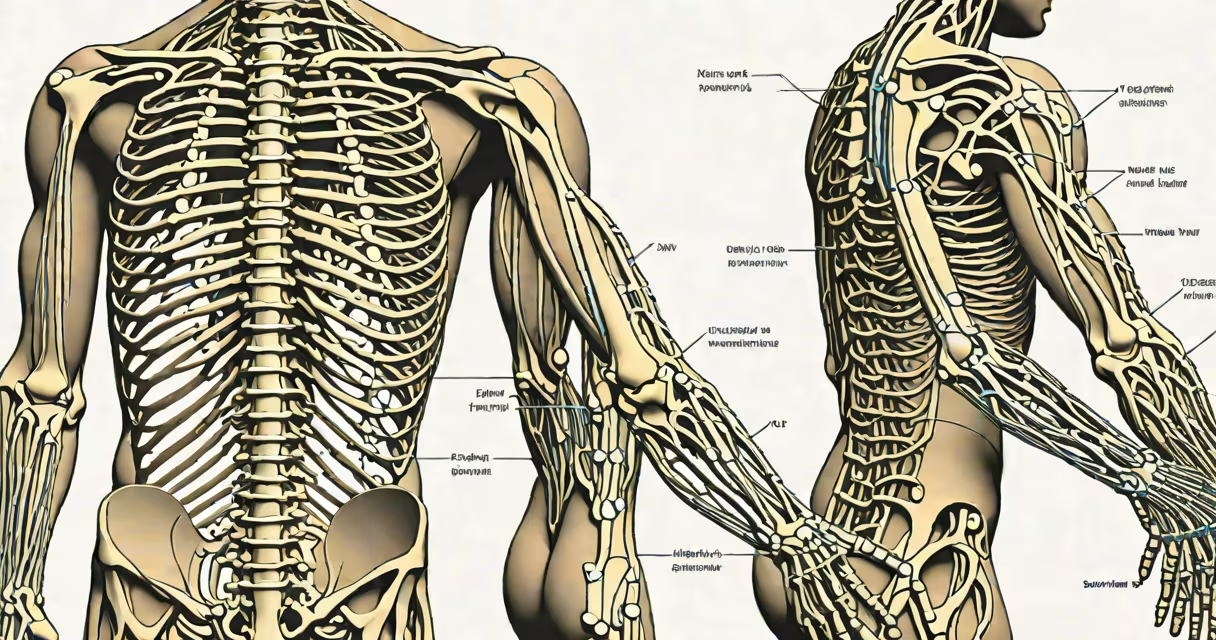
pain under chest ribs refers to discomfort localized between the lower ribs and the upper abdomen, typically caused by inflammation of the cartilage connecting the ribs to the sternum (costochondritis), muscle strain, or nerve irritation. This condition is common and usually benign, though it can mimic heart-related issues.
Most cases involve the anterior chest wall-specifically the junctions where the upper ribs attach to the breastbone. The pain often worsens with deep breathing, coughing, or twisting motions. It may feel sharp, aching, or pressure-like, and tends to localize to one side rather than radiate broadly.
According to the American College of Rheumatology, costochondritis accounts for about 15% of non-cardiac chest pain seen in primary care settings. It's more frequent in adults aged 20-50, especially women. The condition rarely leads to long-term complications when managed appropriately.
How It Works: Common Causes and Mechanisms
The most frequent cause of pain under chest ribs is costochondritis-an inflammatory condition affecting the costosternal joints. Inflammation triggers swelling and tenderness, making the area sensitive to touch or movement. It often follows minor trauma, repetitive strain, or viral infections.
Intercostal neuralgia, another contributor, occurs when nerves running between the ribs become irritated. This can result from muscle spasms, poor posture, or compression due to tight clothing or sudden movements. Pain typically travels along a single rib line and may feel burning or electric.
Less commonly, referred pain from internal organs such as the stomach or gallbladder can manifest near the lower rib cage. For example, acid reflux can irritate the diaphragm, causing aching sensations beneath the left rib. However, this pain usually lacks the localized tenderness seen in musculoskeletal conditions.
Types and Distinctions: What It's Made Of
Three main categories explain pain under chest ribs:
- Costochondritis: Inflammation of rib-sternum joints. Pain is reproducible with direct pressure and often affects multiple sites.
- Muscle strain: Overuse or sudden exertion damages intercostal muscles. Pain increases with movement and may persist for days.
- Nerve-related pain: Compression or irritation of intercostal nerves. Often described as sharp, shooting, or tingling.
A key distinction lies in symptom pattern. Musculoskeletal pain typically flares with motion-like bending, reaching, or turning in bed. Cardiac pain, by contrast, often occurs during exertion and eases with rest. Pain under chest ribs rarely worsens with activity and doesn't typically cause shortness of breath or dizziness.
One non-obvious fact: costochondritis can be triggered by vigorous coughing from a cold. A 2021 study in Journal of Clinical Rheumatology found that 38% of patients diagnosed with costochondritis reported recent respiratory infections. This connection is often overlooked in initial evaluations.
Where and Why It's Used: Real-World Context
This pain arises in daily life situations involving repetitive motion-such as lifting heavy objects, playing sports, or even prolonged typing with poor ergonomics. It's frequently reported in office workers who sit for long stretches, leading to stiff thoracic spine and strained intercostal muscles.
For example, a 34-year-old office manager developed sharp pain under her left rib after a weekend of gardening. She noticed tenderness when pressing on the area and pain increased when she twisted to reach for files. After two weeks of rest and ibuprofen, symptoms resolved. No imaging was needed.
Another case involved a 47-year-old man whose pain worsened after a bout of intense coughing from bronchitis. He presented with localized tenderness at the fourth rib on the right side. Ultrasound confirmed soft tissue swelling. Treatment included NSAIDs and activity modification.
Common Confusions and Corrections
Pain under chest ribs is often mistaken for heart attack or pulmonary embolism. But cardiac events typically involve crushing pressure, radiation to the jaw or arm, and are associated with sweating, nausea, or sudden onset during exertion. Chest pain from costochondritis is stable, positional, and lacks systemic symptoms.
Some assume it's always musculoskeletal. But persistent pain under the right rib cage may indicate gallbladder disease. Right-sided pain that worsens after fatty meals, especially at night, suggests cholecystitis. This requires ultrasound evaluation-not rest or anti-inflammatories.
Another error: dismissing pain as "just stress." While anxiety can amplify physical sensations, it doesn't cause localized joint tenderness. If pressing on the rib-sternum junction elicits pain, the issue is structural, not psychological.
When to Seek Care
Seek medical evaluation if pain lasts longer than two weeks, spreads beyond the rib line, or is accompanied by fever, unexplained weight loss, or difficulty breathing. These signs suggest infection, autoimmune disease, or malignancy.
Red flags include pain that wakes you at night, worsens when lying flat, or occurs with swelling or redness. These patterns may indicate pleurisy, spinal involvement, or rare conditions like Tietze syndrome (swelling of the cartilage, not just inflammation).
For persistent or recurring pain, consult a healthcare provider. A physical exam with palpation can differentiate musculoskeletal causes from internal ones. Imaging is rarely needed unless red flags exist.
Most cases of pain under chest ribs resolve within days to weeks with conservative management: rest, heat, gentle stretching, and NSAIDs. Avoid activities that provoke pain until symptoms subside.
Understanding the source of pain under chest ribs prevents unnecessary testing and reduces anxiety. The condition is rarely serious, but accurate identification ensures effective treatment and peace of mind.