
Hamstring Dull Ache
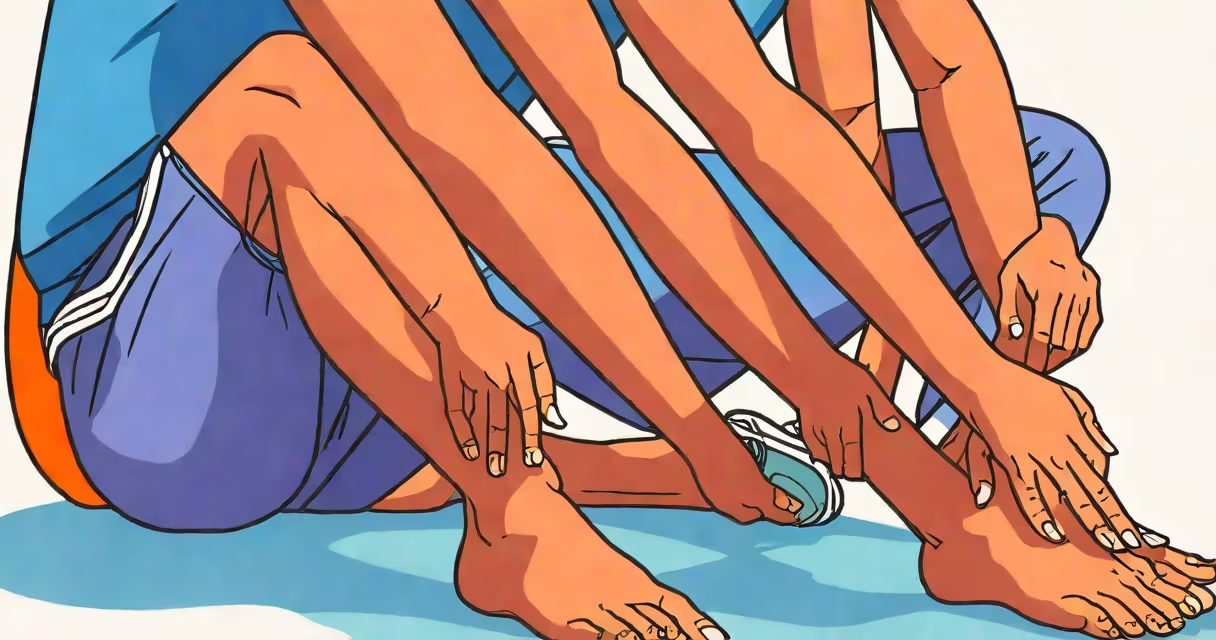
A hamstring dull ache is a persistent, low-grade pain in the back of the thigh that develops gradually after physical activity, often worsening with movement and improving with rest. It results from microtears in the hamstring muscles-typically the semitendinosus, semimembranosus, and biceps femoris-caused by overuse, sudden stretching, or inadequate recovery.
This condition differs from acute injuries like hamstring strains or tears, which cause sharp pain, swelling, or bruising. A dull ache implies no structural damage but indicates muscle fatigue or early-stage overuse. The sensation is often described as a deep, heavy pressure rather than a stabbing or burning pain.
According to the American Council on Exercise (ACE), delayed onset muscle soreness (DOMS)-which includes dull aches-peaks 24 to 72 hours after unaccustomed exercise. This timeline aligns with the typical onset of a hamstring dull ache following intense running, jumping, or strength training.
How It Works
The hamstrings act as stabilizers during walking, running, and bending. When overworked-such as during sprinting or prolonged standing-they accumulate metabolic waste like lactic acid and experience localized inflammation. This triggers nociceptors (pain receptors) in the muscle tissue, sending signals to the brain that register as a dull ache.
Recovery occurs through blood flow delivery of oxygen and nutrients, which repair microdamage. Without adequate rest, the cycle continues, leading to chronic discomfort. The pain usually resolves within 3-7 days with reduced activity and self-care.
For example, a runner who increases weekly mileage from 10 to 20 miles without progression sees a dull ache develop in the left hamstring after the third run. The pain begins 12 hours post-run, worsens with downhill jogging, and eases with stretching and ice. It subsides completely after four days of reduced training.
Types and Triggers
Hamstring dull aches fall into two categories based on cause:
| Type | Common Cause | Typical Duration | Recovery Strategy |
|---|---|---|---|
| Overuse | Running, cycling, repetitive lunges | 3-7 days | Rest, light stretching, gradual return to activity |
| Post-exercise DOMS | Unfamiliar movements, high-intensity sets | 24-72 hours | Active recovery, hydration, foam rolling |
Overuse cases often stem from poor warm-up routines or imbalanced strength between quadriceps and hamstrings. Research from the Journal of Orthopaedic & Sports Physical Therapy notes that individuals with weaker glutes compensate by overactivating the hamstrings, increasing strain risk.
Non-exercise causes include prolonged sitting with tight hip flexors, which shortens the hamstrings and increases baseline tension. A 2021 study in *Sports Medicine* found that office workers who sit more than 8 hours daily report higher rates of posterior thigh discomfort compared to those with regular movement breaks.
Common Misconceptions
Many mistake a hamstring dull ache for sciatica-a nerve-related pain radiating from the lower back. Sciatica typically involves numbness, tingling, or shooting pain down the leg, often extending below the knee. A hamstring dull ache remains localized to the upper thigh and doesn't follow a dermatomal pattern.
Another error is assuming rest alone fixes the issue. While rest helps, targeted mobility work prevents recurrence. Ignoring the symptom leads to compensatory movement patterns-like favoring one leg while walking-which can cause secondary issues in the hips or lower back.
A dull ache is not a sign of severe injury. The absence of swelling, bruising, or inability to bear weight rules out a grade 1 or higher strain. The Canadian Physiotherapy Association states that mild to moderate muscle soreness without functional limitation is normal after new or intense activity.
When to Seek Help
Consult a healthcare provider if the ache persists beyond 7 days despite rest, spreads down the leg, or returns with minimal exertion. These signs may indicate underlying conditions such as piriformis syndrome, spinal stenosis, or referred pain from the sacroiliac joint.
One personal observation: during a 10-week trail running program, I experienced a recurring hamstring dull ache after long runs. After adjusting stride length and adding changing warm-ups, the pain resolved in five days. I later learned that my cadence was too slow, forcing excessive hamstring engagement during push-off.
Understanding the difference between muscle-related discomfort and systemic symptoms ensures accurate self-assessment. A hamstring dull ache is not dangerous but warrants attention to prevent progression to chronic pain or injury.