
What Is Agile Sprint Planning
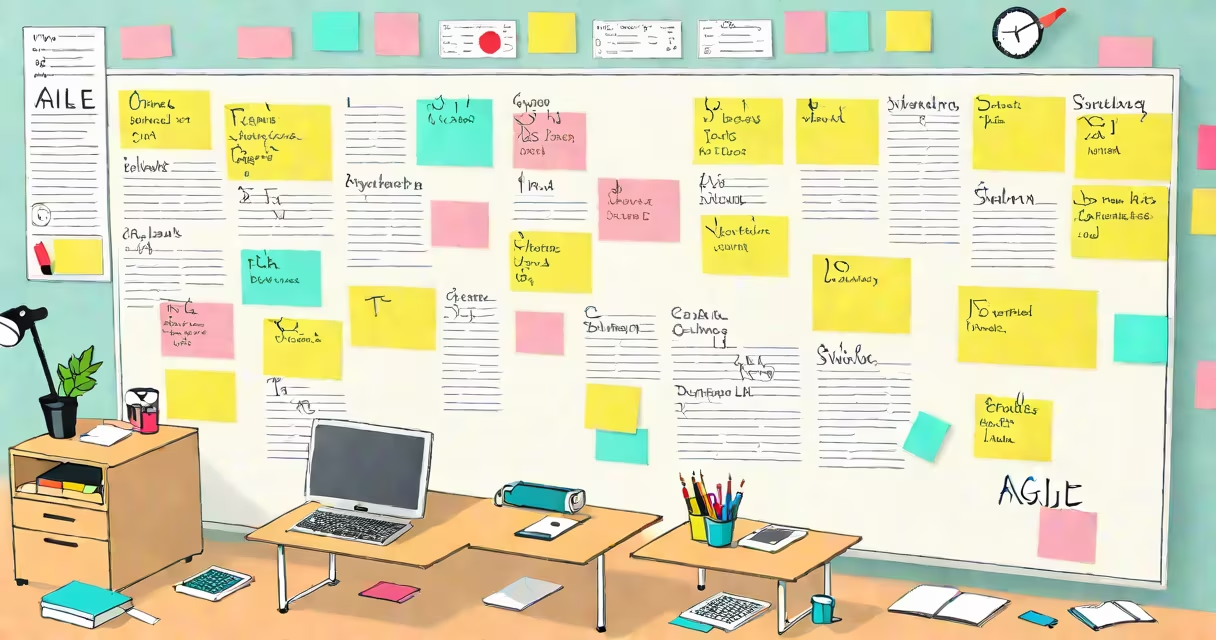
Agile sprint planning is a time-boxed meeting where development teams select work from the product backlog to complete in the upcoming sprint, typically lasting one to four weeks. The team agrees on specific deliverables, estimates effort, and commits to completing them within the sprint timeframe.
Sprint planning occurs at the start of each sprint. It aligns the team around a shared goal, ensures everyone understands the scope, and establishes a clear plan for execution. This process is central to Scrum, one of the most widely adopted agile frameworks.
The outcome of sprint planning is a sprint backlog-a prioritized list of tasks the team commits to finishing by the end of the sprint. Without this step, teams risk working on misaligned or unvalidated features, leading to wasted effort and delayed value delivery.
How Agile Sprint Planning Works
Sprint planning follows a structured sequence. The product owner presents the highest-priority items from the product backlog, explaining their business value and acceptance criteria. The team then discusses feasibility, asks clarifying questions, and breaks down user stories into actionable tasks.
Next, the team estimates the effort required for each task using techniques like story points or hours. These estimates inform whether the selected work fits within the sprint's capacity. If the team overcommit, they adjust scope until the workload is sustainable.
Finally, the team confirms the sprint goal-a concise statement describing what they aim to achieve. This goal guides daily decisions during the sprint and provides a shared focus. For example, "Enable users to reset passwords via email" is a valid sprint goal.
Key Components and Roles
Three roles are essential in sprint planning: the product owner, the scrum master, and the development team. The product owner owns the product backlog and ensures the team selects work that delivers customer value. They clarify requirements and prioritize items based on business impact.
The scrum master facilitates the meeting, keeps time, and ensures the team follows agreed-upon processes. They remove impediments and maintain psychological safety so team members can speak openly about risks or constraints.
The development team-typically including developers, testers, and designers-estimates effort, identifies dependencies, and determines how to implement the selected work. Their collective input shapes the sprint backlog.
| Role | Responsibility in Sprint Planning |
|---|---|
| Product Owner | Presents and prioritizes backlog items; defines acceptance criteria. |
| Scrum Master | Facilitates the session; enforces time limits and norms. |
| Development Team | Estimates effort; breaks down stories; confirms commitment. |
Common Misconceptions and Pitfalls
Many teams treat sprint planning as a planning session rather than a commitment ceremony. A common mistake is overloading the sprint with too many items. When teams exceed capacity, velocity drops, and burnout increases. According to the Scrum Guide, the team should only commit to what they believe they can deliver.
Another error is treating sprint planning as a one-time event. The plan is not set in stone. Teams may adjust scope during the sprint if new information emerges, but changes require negotiation with the product owner and are rare. The goal is predictability, not rigidity.
A subtle but critical point: sprint planning is not about estimating how long something takes-it's about assessing whether the team can complete the work within the sprint. A task estimated at 10 story points doesn't mean it takes 10 days. Story points reflect relative complexity, not time.
Real-World Example: E-Commerce Checkout Feature
A fintech startup plans a sprint to improve checkout flow. The product backlog includes:
- "As a user, I want to see my payment method saved for future purchases."
- "As a user, I want to receive a confirmation email after placing an order."
During sprint planning, the team reviews both items. They break the first into subtasks: design the save checkbox (2 points), implement backend storage (3 points), add frontend logic (3 points). The second requires API integration (5 points) and email template setup (2 points).
Total estimate: 15 story points. The team's average velocity over the last three sprints is 18 points. They accept both items, confirming they can deliver within the two-week sprint. The sprint goal becomes: "Improve checkout completion by reducing friction in payment handling and confirmation."
This example shows how sprint planning balances ambition with realism. The team didn't assume they could do everything-they validated capacity before committing.
What It's Not: Common Confusions
Agile sprint planning is often mistaken for project planning or release scheduling. Sprint planning focuses on short-term execution-not long-term roadmaps. While roadmap planning happens quarterly, sprint planning occurs weekly or biweekly.
It's also not the same as daily stand-ups. Stand-ups track progress and identify blockers. Sprint planning sets the direction. Confusing the two leads to poor alignment and reactive work.
Some teams treat sprint planning as a status update. But it's a collaborative decision-making session. The product owner doesn't assign work-the team chooses what to take on. This autonomy fosters ownership and accountability.
I once observed a team that skipped sprint planning and simply pulled items from the backlog. After three sprints, they missed 60% of their commitments. Reintroducing structured planning reduced missed goals to under 10%. The difference wasn't in tools-it was in process discipline.
Best Practices and Pro Tips
Keep sprint planning sessions under four hours for a two-week sprint. Longer meetings lead to fatigue and lower engagement. Use a timer and stick to agenda items.
Ensure the product backlog is refined before planning. Items should have clear acceptance criteria and be small enough to be completed in one sprint. Large, vague stories cause confusion and estimation errors.
Document the sprint goal and backlog in a shared tool like Jira or Trello. Make it visible to all stakeholders. Transparency reduces misunderstandings and builds trust.
Review the previous sprint's outcomes before starting the next. What worked? What didn't? Adjust planning habits accordingly. Continuous improvement is core to agile.