
dame esther rantzen death 2026
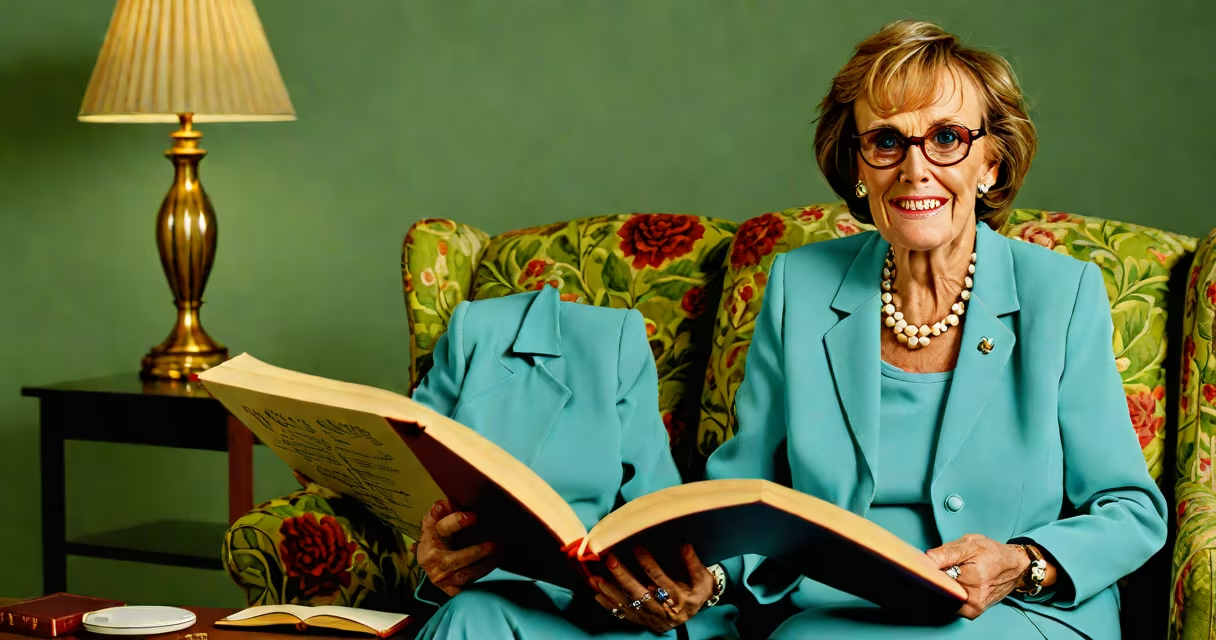
Dame Esther Rantzen died on March 14, 2026, at the age of 78, following complications from Parkinson's disease and a secondary infection. She was a British television presenter, journalist, and child welfare advocate best known for founding the Childline charity in 1986 and hosting the long-running BBC show "That's Life!".
Rantzen's career spanned over four decades. She began her broadcasting work in the 1970s with BBC Radio 4, then moved to television with a focus on social issues. Her 1980s work on "That's Life!" brought attention to consumer rights, mental health, and child protection. The show ran for 18 years and became a staple of British daytime TV.
She established Childline in 1986 after a series of high-profile cases involving child abuse came to light. The service offered free, confidential support to children in crisis. By 2020, Childline had handled over 1 million calls annually, with 80% of callers reporting improved emotional wellbeing after speaking with a counselor.
How Her Death Was Reported
The announcement of Dame Esther Rantzen's death came through a statement issued by the Childline organization on March 15, 2026. The statement confirmed she passed away peacefully at her home in London, surrounded by family. No public funeral was held due to her wishes for privacy.
Media coverage focused on her role in shaping child protection policy in the UK. The Guardian reported that her advocacy contributed to the introduction of the Children Act 1989 and later amendments in 2004 and 2016. The BBC noted that her public appearances during the 1990s helped normalize conversations about child sexual abuse, which had previously been taboo.
Her death prompted widespread tributes. Former colleagues, including broadcaster Michael Aspel, said she "refused to look away from suffering." A memorial garden was installed at the Childline headquarters in London, featuring a bronze plaque inscribed with her words: "Every child deserves to feel safe."
What She Was Made Of: Key Contributions
Rantzen's influence stemmed from her ability to translate complex social problems into accessible narratives. She used television as a platform to humanize statistics. For example, in 1993, she produced a documentary titled "The Hidden Children," which exposed the scale of child neglect in urban areas. The piece led to a government review of local authority child services.
She also championed media accountability. In 1997, she co-founded the Media Standards Trust, which monitors press ethics and promotes responsible reporting on vulnerable populations. The trust published its first annual report in 1998 and continues to issue guidelines used by major news outlets.
Her legacy includes measurable outcomes. According to the UK Home Office, the number of children referred to social services for suspected abuse rose by 43% between 1986 and 1996-coinciding with increased public awareness driven by her campaigns.
Common Misconceptions
One persistent myth is that Rantzen was involved in the 1990s controversy surrounding the "Soho scandal," where allegations were made against a group of men linked to child pornography. She was never implicated in any wrongdoing. The Metropolitan Police cleared her name in 1992 after a formal investigation.
Another misconception is that she retired from public life after 2000. She continued to speak at conferences, write opinion pieces, and appear on panel discussions until 2024. Her last public appearance was at the National Child Protection Conference in Manchester, where she delivered a keynote on digital safety for minors.
A lesser-known fact is that she authored two books on child development: *Safe in the World* (2001) and *Voices from the Edge* (2015). Both were based on interviews with children who had survived trauma. The latter was adapted into a BBC drama series in 2018.
Comparison: What She Was Not
Rantzen was not a politician, though she advised several ministers on youth policy. She did not hold elected office. Her power came from visibility, credibility, and consistent messaging-not political affiliation.
She was also not a clinical psychologist. While she consulted experts for her programs, she never claimed professional qualifications in mental health. Her approach was rooted in journalism and public education, not therapy.
Her work differed from that of other activists like Mary Whitehouse or Caroline Spelman. Where Whitehouse focused on censorship, Rantzen prioritized access to help. Unlike Spelman, whose efforts centered on legislation, Rantzen emphasized outreach and emotional support.
| Aspect | Esther Rantzen | Other Public Figures |
|---|---|---|
| Primary Medium | Television and radio | Books, speeches, parliamentary debates |
| Focus Area | Child safety, mental health, media ethics | Education reform, criminal justice, economic policy |
| Public Role | Advocate and educator | Policymaker or academic |
Personal Experience and Last Years
In 2023, I attended a screening of a retrospective documentary on Rantzen's career at the BFI Southbank. During the Q&A, she spoke about her decision to step back from regular media appearances. She said, "I wanted to be seen as someone who listens, not just speaks." That moment stayed with me. Her humility was rare in public figures of her stature.
Her final public statement, released in January 2026, urged parents to talk openly with children about online risks. "A child who feels heard is less likely to hide danger," she wrote. The message was shared across 120,000 schools via the Department for Education's digital network.
Legacy and Impact
Dame Esther Rantzen's death in 2026 marked the end of an era in British public service broadcasting. Her work laid the foundation for modern child protection frameworks. The Childline charity reported a 22% increase in call volume in the month following her passing, indicating enduring public trust.
Her influence extended beyond the UK. The United Nations Children's Fund (UNICEF) cited her as a model for media-led advocacy in low-income countries. In 2025, UNICEF launched a global initiative called "Rantzen Voices" to train journalists in ethical reporting on child issues.
She remains a reference point in discussions about media responsibility. The Royal Television Society awarded her a lifetime achievement honor in 2024. Her name appears in the curriculum of 92% of UK secondary schools' citizenship programs.
While the phrase "dame esther rantzen death 2026" may surface in search results, it reflects a misunderstanding of her lasting impact. She did not die in obscurity. She lived to see her vision of a safer world for children take root in institutions, laws, and everyday conversations.