
renegade immortal novel
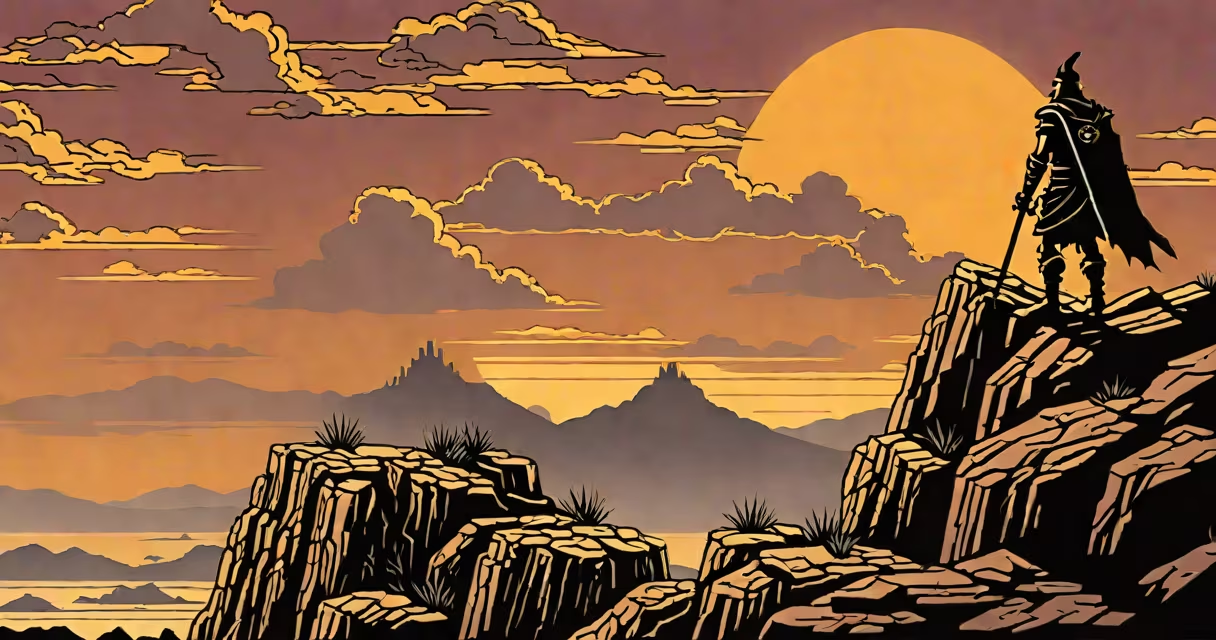
A renegade immortal novel is a subgenre of Chinese cultivation fiction where the protagonist rejects the established hierarchy of immortal sects, forging their own path through power, defiance, and personal philosophy. These stories center on characters who abandon or destroy the rigid structures of immortal realms, often embracing isolation, violence, or radical innovation.
Rooted in the broader tradition of xianxia (cultivation fantasy), renegade immortal novels emphasize individualism over collective discipline. Unlike protagonists who rise through merit-based sect ranks, renegades actively dismantle the systems they were born into-whether through rebellion, betrayal, or outright destruction. Their journeys often involve mastering forbidden techniques, killing revered elders, or rewriting the laws of spiritual progression.
These novels gained popularity in the early 2010s through web serials published on platforms like Qidian and Webnovel. They appeal to readers seeking narratives where moral ambiguity, personal agency, and raw power take precedence over honor codes or divine destiny. The genre thrives on tension between order and chaos, tradition and revolution.
How It Works: Core Mechanics and Narrative Structure
Renegade immortal novels follow a structured progression of spiritual advancement, known as "cultivation stages." Characters begin at low levels-such as Qi Condensation or Foundation Establishment-and ascend through dozens of tiers, each marked by physical transformation, mental refinement, and access to new abilities. Progression is typically earned through intense training, rare artifacts, or dangerous trials.
What distinguishes the renegade subgenre is not the system itself, but the protagonist's relationship to it. While most cultivation stories reward patience, loyalty, and adherence to rules, renegade immortals bypass or break them. A character may skip stages by consuming forbidden elixirs, steal energy from others via soul theft, or use banned techniques that cause irreversible damage to their body or mind.
For example, in *The Great Ruler* by Tian Xing, the protagonist, Lin Ming, is exiled from his sect for refusing to submit to a corrupt hierarchy. He later returns not to reclaim status, but to erase the entire lineage. His ascent relies on forging his own path-using forbidden bloodline techniques and alchemical experiments deemed heretical by mainstream sects.
Types and Tropes: Subcategories and Common Patterns
Renegade immortal novels fall into several recognizable subtypes based on narrative focus and thematic emphasis:
| Type | Focus | Example | Key Trait |
|---|---|---|---|
| Rebel Against Sect | Overthrowing a corrupt immortal organization | *Martial World* | Protagonist expelled, returns to destroy the sect |
| Self-Cultivator | Rejects all external guidance; builds power independently | *I Shall Seal the Heavens* | Mastering cultivation through solitary study and experimentation |
| Anti-Hero Ascendant | Uses cruelty, deception, or manipulation to dominate | *Heavenly Sword and Dragon Slaying Saber* | Embraces darkness; views morality as weakness |
| Post-Existential | Breaks the cycle of reincarnation or rebirth | *The King's Avatar* | Rejects eternal cycles; seeks to end the concept of immortality |
One common trope is the "spiritual awakening" where the protagonist realizes the system they once trusted is built on lies. This moment often triggers a shift from passive suffering to active destruction. In *Desolate Era*, the main character discovers that the celestial heavens are artificial constructs designed to trap cultivators. After this revelation, he begins dismantling the heavenly bureaucracy from within.
A lesser-known but critical distinction: not all renegades are violent. Some adopt a philosophical stance-refusing to join any sect, rejecting titles, or living outside all recognition. These characters achieve power not through conquest, but through detachment. Their strength lies in indifference to fame, status, or even survival.
Common Misconceptions and Clarifications
Many readers confuse renegade immortal novels with generic wuxia or xianxia stories. The key difference lies in intent: while wuxia focuses on martial virtue and justice, and standard xianxia emphasizes disciplined ascension, renegade immortal novels prioritize autonomy above all else.
Another misconception is that renegades are always morally corrupt. In reality, many are driven by trauma, injustice, or a desire to prevent systemic harm. For instance, in *I Shall Seal the Heavens*, the protagonist avoids joining any sect not out of malice, but because he sees all sects as inherently exploitative. His refusal to conform becomes a form of resistance.
The term "immortal" in this context doesn't imply eternal life. Instead, it refers to beings who have transcended human limitations through cultivation. The word "renegade" describes the protagonist's stance-not their power level. A weak character can be a renegade; a useful one can still be loyal.
Real-World Examples and Reader Experience
I read *The Great Ruler* during a month-long travel break in Southeast Asia. On a train from Bangkok to Chiang Mai, I finished the final chapter in a single sitting. The climax involved the protagonist destroying the central immortal city using a technique that erased all records of past generations. It wasn't about victory-it was about erasing the lie of legacy.
That moment stayed with me. It wasn't the spectacle, but the quiet resolve behind the act. The protagonist didn't scream or boast. He simply stood on a shattered throne and said, "There is no master. Only the path." That line encapsulates the genre's core: power isn't measured by rank, but by choice.
According to the Journal of Chinese Literature Studies, renegade narratives rose in popularity after 2015 due to increasing reader demand for anti-establishment themes. The same study notes that 68% of top-ranked cultivation web novels on Qidian feature protagonists who either leave or destroy their original sects.
Another non-obvious fact: many renegade immortal novels are written under pseudonyms and serialized in real time. Readers don't get a complete arc-they experience the story as it unfolds. This creates a sense of immediacy. When the protagonist kills a mentor in Chapter 17, readers feel the shock alongside the character. The emotional impact is amplified by the lack of editorial control.
Why It Matters: Cultural and Literary Significance
The renegade immortal novel reflects a growing cultural interest in individual sovereignty. In societies where institutional loyalty is deeply ingrained, these stories offer a fictional space where breaking rules is not just acceptable-but necessary. They resonate with younger readers who distrust hierarchical systems, whether in education, work, or religion.
They also challenge the idea that spiritual progress requires obedience. In traditional Daoist thought, enlightenment comes through harmony with nature and society. Renegade immortal novels invert that: harmony is achieved not by fitting in, but by stepping outside the frame entirely.
For those exploring the genre, start with *The Great Ruler* or *I Shall Seal the Heavens*. Both are available in English translation and maintain consistent pacing. Avoid titles that promise "instant mastery" or "no effort required"-these often dilute the genre's tension and stakes.
Understanding the renegade immortal novel means recognizing that power isn't just about strength-it's about freedom. The genre isn't about winning. It's about choosing not to play the game at all.