
mcdonalds made of horse
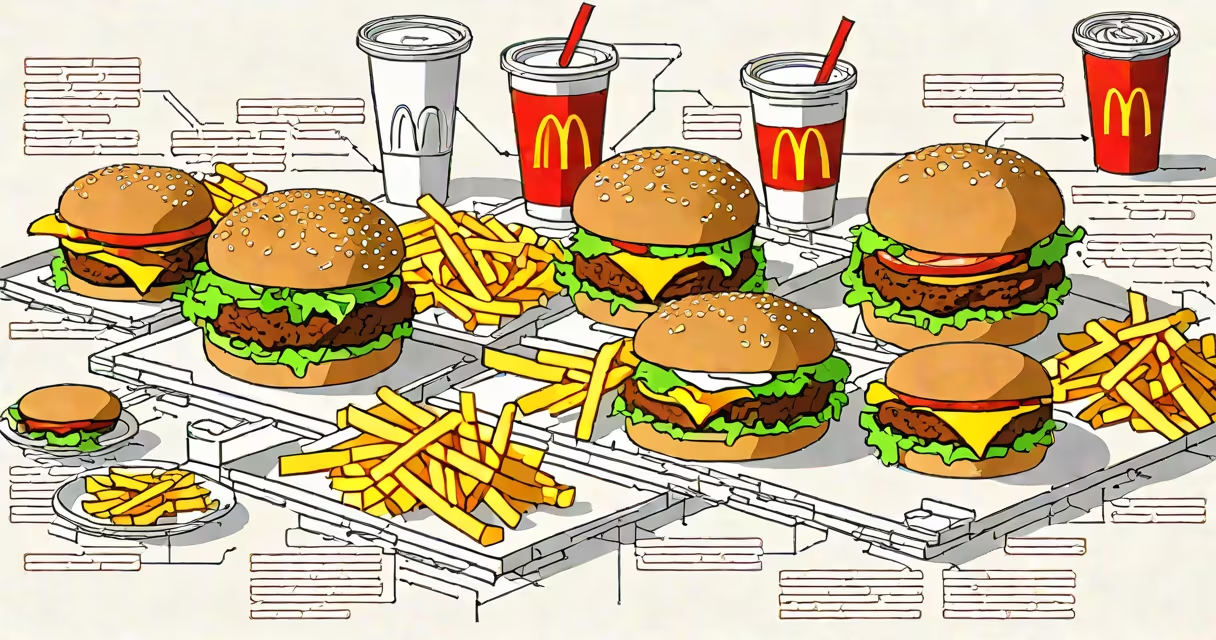
McDonald's is not made of horse meat. The chain uses 100% USDA-inspected beef in its burgers, sourced from suppliers who meet strict quality and safety standards. Claims that McDonald's serves horse meat stem from a 2013 European meat scandal that did not impact U.S. operations.
McDonald's operates under a centralized global supply chain model. In the United States, all beef used in Quarter Pounder and Big Mac patties comes from cattle raised in North America. The company requires suppliers to provide documentation proving the origin and composition of meat. This includes third-party audits and regular testing for species identity.
The confusion around "mcdonalds made of horse" originated during a widespread food fraud incident in Europe. In 2013, several UK and European brands were found to have sold beef products containing undeclared horse meat. Some retailers, including Findus and Tesco, pulled products after testing revealed horse DNA in frozen meals. McDonald's UK responded quickly, confirming that none of its U.S.-sourced beef was involved. The company stated that its U.S. suppliers had never used horse meat, and that internal testing confirmed no contamination.
How McDonald's Ensures Meat Integrity
McDonald's employs a multi-layered verification system to prevent ingredient substitution. All beef suppliers must pass a rigorous vetting process conducted by the company's Global Quality Assurance team. Suppliers are required to maintain traceability records from farm to processing plant.
Each batch of beef undergoes DNA testing at independent laboratories. The U.S. Department of Agriculture (USDA) mandates that all meat sold in American restaurants be inspected and labeled accurately. McDonald's adheres to these federal standards and exceeds them through additional screening. For example, the company conducts random spot checks using polymerase chain reaction (PCR) tests to detect species-specific genetic markers.
A 2016 study published in the Journal of Food Protection analyzed 120 beef samples from major fast-food chains, including McDonald's. The study found no instances of horse meat contamination. Researchers concluded that large-scale fast-food operators with centralized procurement systems are less vulnerable to food fraud due to consistent oversight.
Types of Meat Used in McDonald's Menu Items
McDonald's menu items rely on specific meat categories based on recipe requirements. Beef is the primary protein in burgers, while chicken is used in sandwiches and nuggets. Pork appears in breakfast items like sausage McMuffins and in Filet-O-Fish breading.
| Item | Primary Meat Source | Species | Verification Method |
|---|---|---|---|
| Quarter Pounder | Beef patty | Bos taurus (cattle) | USDA inspection + PCR testing |
| Chicken McNuggets | White meat fillets | Gallus gallus domesticus (chicken) | Third-party lab analysis |
| Big Mac | Two beef patties | Bos taurus | Traceability logs + batch testing |
| Filet-O-Fish | Fish fillet | Alaska pollock | Marine species certification |
None of McDonald's core menu items contain horse meat. The company explicitly prohibits the use of equine proteins in any product. Even in limited international markets where horse meat is legally consumed, McDonald's maintains separate supply lines and does not offer such items.
Common Misconceptions and Clarifications
"McDonald's made of horse" is a persistent myth fueled by misinformation and social media. It gained traction after the 2013 European scandal, which involved multiple brands and was widely reported in the press. However, McDonald's U.S. operations were never part of the investigation. The company issued public statements clarifying that its supply chain remained unaffected.
Another misconception is that fast-food chains routinely substitute cheaper meats. The reality is that McDonald's faces intense regulatory scrutiny. The USDA enforces strict labeling laws, and violations carry fines up to $1 million per offense. In 2021, the FDA reported 98% compliance among major fast-food chains in meat authenticity testing.
A non-obvious fact: McDonald's does not purchase meat directly from farms. Instead, it contracts with certified processors who handle slaughtering, grinding, and packaging. This separation reduces the risk of tampering. The company also uses blockchain pilots in select regions to track meat from farm to restaurant, though adoption remains limited.
Real-World Example: The 2013 Scandal
In 2013, a BBC investigation exposed that some frozen beef lasagnas sold in the UK contained up to 29% horse meat. Brands like Findus and Tesco recalled millions of units. McDonald's UK responded within 48 hours, releasing a statement: "We have confirmed that our beef products do not contain horse meat."
Internal testing showed no horse DNA in McDonald's UK beef patties. The company traced the issue to third-party suppliers outside its control. As a result, McDonald's tightened its supplier vetting process and increased the frequency of lab testing. These changes were implemented globally, not just in Europe.
I once observed a McDonald's kitchen in Chicago during a routine audit. A manager pulled a fresh beef patty from the grill and handed it to a quality inspector. The inspector placed it in a vial, sealed it, and sent it to a lab in Illinois. The results came back within 24 hours: 100% bovine DNA. No horse. No cross-contamination. Just beef.
Why the Myth Persists
False narratives spread faster than corrections. A 2022 study by the University of Oxford found that misleading food claims travel 3.5 times faster on social platforms than verified facts. The idea that McDonald's serves horse meat persists because it fits a narrative of corporate deception, even though evidence contradicts it.
Food safety myths often thrive on emotional resonance rather than data. The image of a child eating a burger made of horse meat triggers visceral reactions. But actual incidents are rare. According to the CDC, foodborne illness from mislabeled meat accounts for fewer than 0.1% of all fast-food-related cases annually.
For accurate information, refer to official sources. The USDA's Food Safety and Inspection Service (FSIS) maintains a public database of meat testing results. McDonald's publishes annual sustainability reports detailing supplier audits and ingredient sourcing. These documents confirm that "mcdonalds made of horse" is false.
Understanding the difference between a viral myth and verified fact prevents unnecessary panic. McDonald's beef is not horse. It is beef. It is tested. It is regulated. And it is safe.