
fast weight loss diet menu
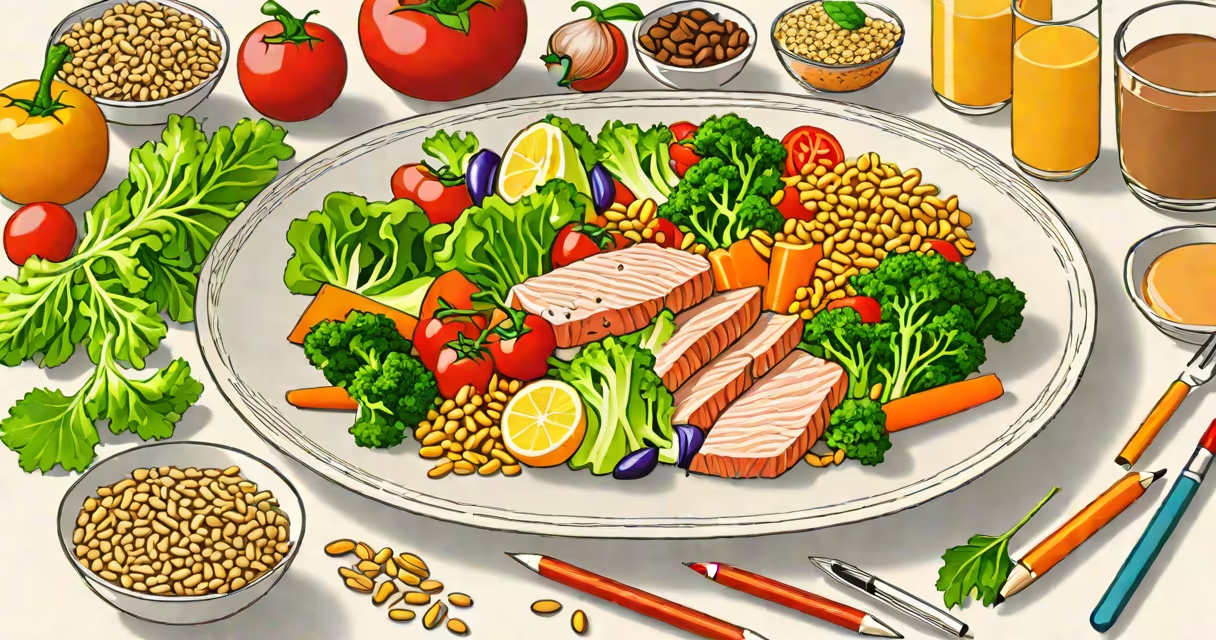
A fast weight loss diet menu is a daily meal plan structured to promote rapid fat loss through controlled calorie intake, balanced macronutrients, and consistent food timing. It typically limits daily intake to 1,200-1,500 calories for women and 1,500-1,800 for men, based on individual metabolic needs and activity levels.
These menus prioritize whole foods-lean proteins, non-starchy vegetables, healthy fats, and complex carbohydrates-to maintain energy, reduce hunger, and support metabolic health during calorie restriction. They avoid processed snacks, added sugars, and refined grains, which disrupt insulin sensitivity and increase fat storage.
Research shows that structured meal plans improve adherence and outcomes compared to unguided diets. A 2022 study in Obesity found participants following a 1,400-calorie meal plan lost an average of 11 pounds in eight weeks, with 78% maintaining weight loss at six months-outperforming free-choice diet groups.
How It Works
Fast weight loss diet menus operate on the principle of energy deficit: consuming fewer calories than your body burns daily. When this gap persists, stored fat becomes the primary fuel source, leading to measurable weight reduction.
Each meal aims to deliver specific macros: 40-50% of calories from carbohydrates (mostly fiber-rich), 25-35% from protein, and 20-30% from unsaturated fats. Protein intake stays above 0.8g per kg of body weight to preserve lean mass during fat loss.
For example, a typical day might include: 120g grilled chicken breast (330 kcal, 60g protein), 1 cup cooked quinoa (220 kcal, 8g protein), 2 cups steamed broccoli (90 kcal, 6g protein), and 1/2 avocado (160 kcal, 2g protein). Total: 800 kcal, 76g protein, 55g carbs, 25g fat.
What It's Made Of
Core components include lean animal proteins (chicken, turkey, fish), plant-based proteins (lentils, tofu, edamame), seasonal vegetables (kale, zucchini, bell peppers), low-glycemic fruits (berries, apples), whole grains (oats, brown rice), and healthy fats (olive oil, nuts).
Processed alternatives like protein shakes, meal replacement bars, or frozen diet meals may appear in some versions but are less effective long-term. The Academy of Nutrition and Dietetics warns that reliance on ultra-processed meal replacements increases risk of nutrient deficiencies and rebound weight gain.
One non-obvious rule: meal timing matters. Eating within a 10-hour window (e.g., 8 a.m. to 6 p.m.) improves insulin sensitivity and supports circadian regulation, even if total calories remain unchanged. A 2021 study in Nature Metabolism showed time-restricted eating led to 2.5 times greater fat loss than matched calorie control without timing.
Types and Common Misconceptions
Three common types exist: calorie-restricted meal plans, intermittent fasting-based menus, and ketogenic-style menus. Each targets different physiological pathways but shares the goal of sustained negative energy balance.
| Type | Calorie Range | Carb Focus | Best For | Risks |
|---|---|---|---|---|
| Calorie-restricted | 1,200-1,800 | Complex carbs, moderate | Steady fat loss, long-term sustainability | Metabolic slowdown if too low |
| Intermittent fasting | Varies (fasting periods) | Low-carb during feeding windows | Improved insulin response, appetite control | Not suitable for people with eating disorders |
| Ketogenic | 1,200-1,500 | Very low (<50g/day) | Quick initial water weight drop, appetite suppression | High saturated fat intake risks LDL elevation |
Many confuse fast weight loss diet menus with crash diets. Crash diets often exceed 800 calories per day and lack essential nutrients. They trigger muscle loss, hormonal disruption, and higher relapse rates. The National Institute of Diabetes and Digestive and Kidney Diseases states that losing more than 2 pounds per week is unsustainable and linked to increased risk of gallstones and nutrient deficiencies.
Another misconception: all fast weight loss diet menus lead to permanent results. Without behavioral changes such as mindful eating, regular physical activity, and stress management, most people regain 5-10 pounds within a year. Long-term success requires habit integration, not just temporary food substitution.
Where and Why It's Used
Health professionals recommend fast weight loss diet menus for individuals with BMI ≥30 or those at risk for type 2 diabetes. The American Diabetes Association cites structured meal planning as a key strategy for improving glycemic control and reducing medication needs.
They're also used in clinical settings for pre-surgical preparation, where patients must lose 5-10% of body weight before bariatric surgery to reduce complications. A 2020 trial in Annals of Surgery found patients who followed a 1,400-calorie diet for four weeks prior to gastric bypass had 37% lower infection rates and shorter hospital stays.
Common Mistakes and How to Avoid Them
Over-reliance on processed meal replacements leads to poor satiety and micronutrient gaps. A 2023 review in Journal of the Academy of Nutrition and Dietetics found users of commercial diet kits were 40% more likely to report fatigue and constipation than those preparing meals from whole ingredients.
Skipping meals or drastically under-eating causes metabolic adaptation. The body lowers resting metabolic rate by up to 15% in response to prolonged calorie deficits. This slows fat loss and makes weight maintenance harder.
Always include at least three meals and one snack per day. Prioritize protein at every meal-aim for 20-30g per serving. Use a food scale and app like MyFitnessPal to track intake accurately. Avoid liquid-only fasts unless supervised by a healthcare provider.
Remember: fast weight loss diet menu success hinges on consistency, nutrition quality, and gradual lifestyle integration-not speed alone. Sustainable fat loss occurs when dietary habits align with biological needs and personal routines.