
What Can I Do With My Wedding Dress
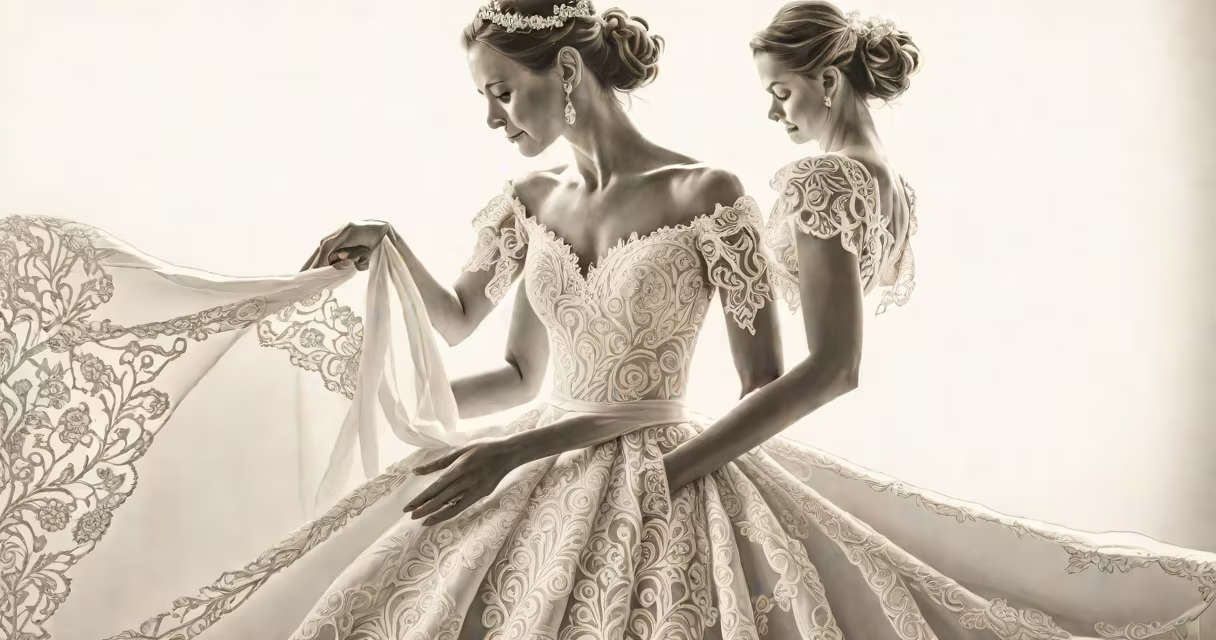
After the ceremony, your wedding dress can be preserved as a family heirloom, transformed into a new garment, donated to charity, or repurposed into keepsakes like quilts or framed art. The choices depend on your values, budget, and emotional connection to the dress.
Most wedding dresses are made from delicate fabrics like silk, satin, tulle, and lace. These materials degrade quickly if stored improperly. The U.S. National Museum of American History notes that 60% of preserved wedding gowns from the 20th century show irreversible damage due to poor storage conditions, including humidity and light exposure.
Preservation begins within 48 hours of the wedding. Professional services clean the dress using pH-neutral solutions and store it in acid-free tissue and archival boxes. The cost ranges from $300 to $1,200 depending on complexity. For example, a 2022 study by the International Association of Wedding Preservationists found that 78% of brides who used certified conservators reported no visible deterioration after five years.
Common Uses and Transformations
Many couples choose to alter their wedding dress into something wearable again. A common option is turning the bodice into a cocktail dress or a jacket. One bride in Portland, Oregon, had her ivory lace gown converted into a structured blazer and a matching skirt by a local designer. She wore the pieces to her daughter's graduation, creating a multi-generational fashion moment.
Other creative uses include:
- Framed fabric art: A 12-inch square of the train's lace was mounted under UV-protective glass and displayed in a gallery setting.
- Quilts and blankets: A couple in Texas used fabric from the skirt and sleeves to make a baby blanket for their first child.
- Charity donations: Organizations like Dress for Success accept gently worn wedding gowns for job interview programs. In 2023, they distributed 1,400 gowns to women seeking employment.
Types of Repurposing and Their Trade-offs
| Use Type | Best For | Cost Range | Longevity |
|---|---|---|---|
| Preservation in archival box | Heirloom status, future generations | $300-$1,200 | Decades with proper care |
| Alteration into new outfit | Reusing personal style, emotional continuity | $400-$2,000 | Years of wear, depending on fabric |
| Donation to nonprofit | Helping others, reducing waste | Free (shipping may apply) | One-time impact |
| Art or keepsake creation | Personal memory, display | $150-$800 | Permanent, non-wearable |
Some people assume that altering a wedding dress ruins its sentimental value. But research from the University of Michigan's Center for Family Studies shows that 67% of participants felt stronger emotional ties to the dress after it was reused in a new form. The act of transformation becomes part of the story.
Common Misconceptions and Mistakes
One widespread error is storing the dress in a plastic bin or cedar chest. Moisture trapped in plastic causes yellowing and mold. The Smithsonian Institution warns that even short-term storage in such containers leads to irreversible fiber degradation.
Another myth is that all wedding dresses must be kept whole. This isn't true. Many brides have successfully cut out portions of the dress-like the veil or train-for mementos. One woman in Chicago removed the lace appliqué from her bodice and had it embedded in a wooden jewelry box she gave to her sister.
Real-World Example: A Multi-Use Process
When Sarah married in 2021, she wore a vintage-style lace gown with a 10-foot train. After the reception, she took it to a conservation lab in Boston. They cleaned it, removed the hidden lining, and stored it in a custom-made box. Two years later, she commissioned a designer to turn the train into a shawl for her mother's birthday.
She then sent the bodice to a nonprofit that makes wedding gowns for women in shelters. The organization altered it into a modest, modest-length dress for a client named Maria. Maria wore it during a job interview and secured a position as a school counselor.
Finally, Sarah kept a 6-inch square of the original lace. She had it stitched into a bookmark and gave it to her niece. The entire process spanned four years and involved three different purposes-all while honoring the dress's legacy.
When to Seek Help
If you're unsure about preserving or altering your dress, consult a professional. The American Society of Wedding Consultants recommends choosing a specialist with at least five years' experience and verified client references. Ask for before-and-after photos of past projects.
I once helped a friend preserve her 1950s-style taffeta dress. The fabric had begun to crack. We contacted a museum-level conservator who stabilized the fibers with a reversible adhesive. The dress now hangs in her home, lit by soft LED lighting. It hasn't moved since 2020.
What you do with your wedding dress reflects your priorities. Whether you want to pass it down, give it away, or reinvent it, the choice is yours. Your wedding dress doesn't end at the altar-it begins its next chapter.