
Can gallstones cause chest pain
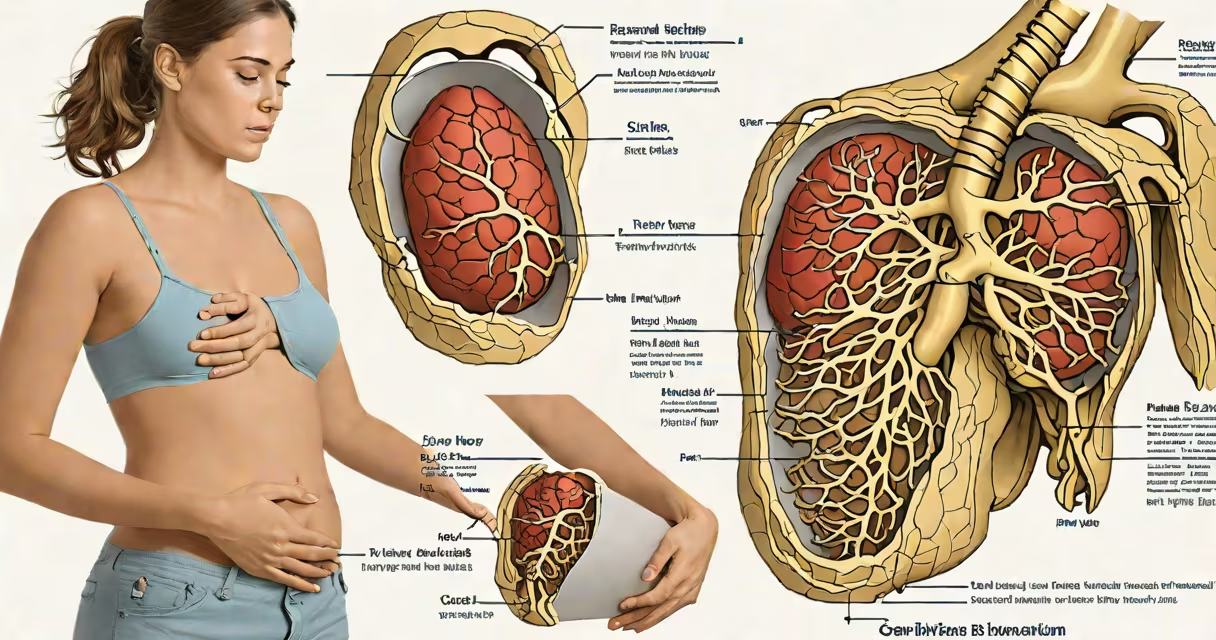
Gallstones can cause chest pain, especially when they trigger biliary colic or acute cholecystitis, leading to referred pain in the upper right abdomen that may radiate to the chest, shoulder, or back. This pain is often mistaken for cardiac issues due to its location and intensity.
Biliary colic occurs when a gallstone blocks the cystic duct, causing sudden, severe pain lasting 1-6 hours. The pain typically starts in the upper right quadrant of the abdomen and may spread to the center of the chest or beneath the right shoulder blade. A 2021 study in Frontiers in Surgery found that 15% of patients presenting with chest pain had gallstones as the underlying cause, yet were initially suspected of having cardiac events.
The gallbladder lies under the liver, just below the diaphragm. Nerves from the gallbladder share pathways with those from the heart and lungs. When inflamed, gallbladder tissue sends signals through shared nerve routes, creating pain perceived in the chest. This phenomenon is called referred pain, and it's why gallstone attacks can feel like a heart attack.
How gallstones cause chest pain
When a gallstone obstructs the cystic duct during digestion, bile cannot flow out of the gallbladder. Pressure builds inside the organ, stretching its walls and activating nociceptors-pain-sensing nerves. These signals travel via the phrenic nerve, which also serves the heart and lungs. As a result, the brain interprets the pain as coming from the chest rather than the abdomen.
Pain from gallstones usually follows meals, especially fatty ones. Fat stimulates the release of cholecystokinin (CCK), a hormone that triggers gallbladder contraction. If a stone blocks the outlet, the muscle spasms violently, causing intense cramping. This pattern-postprandial pain lasting hours-is a key diagnostic clue.
A 2019 study published in World Journal of Gastroenterology reported that 38% of patients with symptomatic gallstones experienced pain in the epigastrium or right upper quadrant that extended to the chest. Only 12% initially received a correct diagnosis, with many undergoing unnecessary cardiac testing.
Types of gallstone-related chest pain
Not all gallstone-related chest discomfort is the same. The nature and timing of pain help distinguish it from heart disease.
| Pain Type | Onset | Duration | Triggers | Location |
|---|---|---|---|---|
| Biliary colic | Sudden | 1-6 hours | Fatty meals | Upper right abdomen, radiates to chest or shoulder |
| Acute cholecystitis | Gradual, worsens over hours | More than 6 hours | Same as above, plus fever and elevated white blood cells | Constant, localized pain in right upper quadrant with tenderness |
| Referred pain (rare) | Intermittent | Variable | Unpredictable | Chest center, mimicking angina |
True cardiac chest pain-angina-typically occurs during exertion and resolves with rest. Gallstone pain rarely improves with rest and often begins after eating. This difference is critical for accurate diagnosis.
Common misdiagnoses and red flags
Chest pain from gallstones is frequently mistaken for heart attack, acid reflux, or panic attacks. A 2020 review in Annals of Internal Medicine noted that up to 25% of patients with gallstone-related chest pain were admitted to cardiology units before being transferred to gastroenterology.
Red flags that suggest gallstones over heart disease include:
- Pain that starts within 30 minutes of eating, especially fatty foods
- Pain that radiates to the right shoulder or between the shoulder blades
- Worsening pain after lying flat or during deep breathing
- Associated nausea, vomiting, or fever
I once saw a 52-year-old woman who presented with crushing chest pressure during a routine check-up. She had normal EKG results and negative troponin levels. After a CT scan, a 1.2 cm gallstone was found lodged in the cystic duct. Her symptoms resolved completely after laparoscopic cholecystectomy. This case illustrates how easily gallstone pain can be misread as cardiac.
Distinguishing gallstone pain from other causes
One non-obvious fact: gallstones can cause pain even if they're not blocking the duct. Small stones can irritate the gallbladder lining, leading to chronic inflammation. This condition-chronic cholecystitis-may produce dull, recurring chest or upper abdominal pain without dramatic episodes.
Diagnosis and treatment
Ultrasound is the gold standard for detecting gallstones. It identifies stones larger than 2 mm with 95% accuracy, according to the American College of Radiology. If ultrasound is inconclusive, a HIDA scan (hepatobiliary iminodiacetic acid scan) can assess gallbladder function and detect functional obstruction.
Treatment depends on symptom severity. Asymptomatic gallstones require no intervention. For symptomatic cases, laparoscopic cholecystectomy-removal of the gallbladder-is the most effective long-term solution. Recovery takes about 1-2 weeks, and most patients report complete relief of pain.
For those who delay surgery, medications like ursodeoxycholic acid can dissolve small cholesterol stones, but success rates are low-around 30% after one year-and recurrence is common. Lifestyle changes such as reducing dietary fat and maintaining a healthy weight can reduce attack frequency but won't eliminate stones.
If you experience recurrent chest or upper abdominal pain after eating, especially with nausea or shoulder pain, consult a doctor. Rule out cardiac causes first, then consider gallbladder imaging. Early diagnosis prevents complications like gangrene or perforation.
Understanding that gallstones can cause chest pain helps avoid misdiagnosis and unnecessary procedures. Recognizing the pattern-post-meal onset, radiation to the right shoulder, association with fatty food-leads to faster, correct care.