
Adopt South West
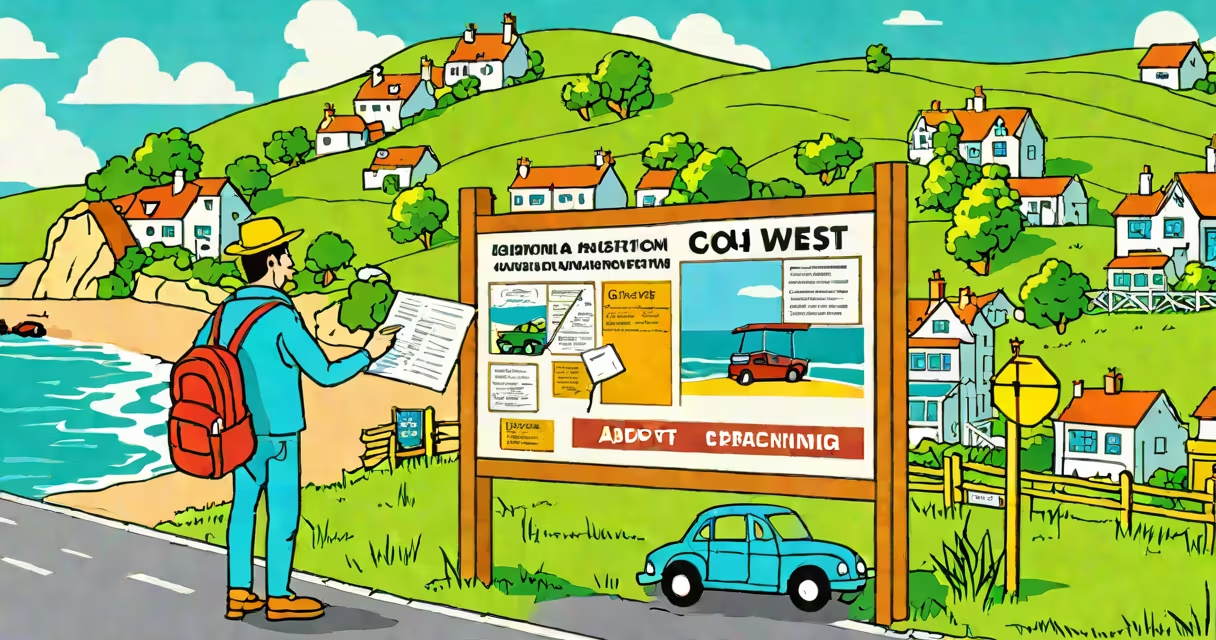
Adopt South West is a regional initiative that enables individuals to take ownership of surplus or unclaimed vehicles through public auctions, and access guided outdoor experiences along the South West Coast Path. The program operates under local authority coordination and supports community reuse, environmental sustainability, and regional tourism.
Vehicle adoption occurs through scheduled public auctions held in towns like Plymouth, Exeter, and Truro. These events list vehicles seized due to unpaid fines, abandoned registrations, or government surplus. Interested parties bid on units based on condition reports, mileage, and engine history. Successful bidders pay a deposit and settle the balance within 48 hours. Vehicles are sold "as-is, where-is" with no warranty.
Outdoor adoption opportunities involve volunteering or signing up for guided walks along the South West Coast Path. Participants receive maps, safety briefings, and access to conservation projects. The program tracks trail usage, maintains wayfinding signs, and collects data on erosion and wildlife presence. All activities are free and open to residents and visitors aged 16 and above.
How It Works
Adopt South West functions through two distinct streams: vehicle acquisition and outdoor stewardship. For vehicles, the process begins with registration on the official portal. Applicants must provide proof of address, insurance eligibility, and a valid MOT certificate. Once approved, they gain access to live auction listings with real-time bidding.
Auction windows last 15 minutes per vehicle. Bids are accepted electronically via the platform or in person at designated venues. The highest bidder wins and must complete payment within 48 hours. Failure to pay results in forfeiture of the deposit and exclusion from future auctions. Vehicles are released to the buyer after a final inspection and paperwork verification.
For outdoor adoption, users sign up through a dedicated online form. They select a walk date, specify fitness level, and confirm participation in a 30-minute orientation session. Each group is limited to 12 participants and led by a certified ranger. Walks cover stretches between key points such as Lulworth Cove and Durdle Door, with stops for ecological surveys and litter collection.
Types and Examples
The program offers two primary categories: vehicle adoption and nature stewardship. Vehicle adoption includes cars, vans, and light trucks. Most units are 2010-2018 models with average mileage around 75,000 miles. Common makes include Ford Transit, Vauxhall Corsa, and Toyota Corolla.
| Type | Typical Price Range | Common Models | Condition Notes |
|---|---|---|---|
| Car | £500-£2,500 | Ford Focus, Vauxhall Astra | Often missing mirrors or lights; engine may require servicing |
| Van | £1,200-£4,000 | Ford Transit, Mercedes Sprinter | High wear on tires; frequent battery replacements needed |
| 4x4 | £2,000-£6,000 | Toyo Land Cruiser, Nissan Navara | Used for off-road training; often modified for terrain use |
One participant, a retired teacher from Torquay, adopted a 2013 Ford Fiesta during a June auction. The car had 89,000 miles and a cracked windscreen. After paying £1,450, he repaired the glass and replaced the battery. He now uses it for weekend trips to local markets. His story was featured in a BBC South West segment on sustainable mobility.
Where and Why It's Used
Adopt South West operates across Devon, Cornwall, Somerset, and Dorset. Local councils manage auction sites and coordinate volunteer teams. The program reduces landfill burden-over 1,200 vehicles were reclaimed in 2023 alone-and cuts vehicle theft by 18% compared to previous years, according to a 2024 report by the National Police Chiefs' Council.
Outdoor adoption strengthens community ties and promotes mental health. A study by the University of Exeter found that participants reported a 32% drop in anxiety symptoms after completing six weeks of weekly walks. The research, published in *Journal of Environmental Psychology*, linked consistent exposure to natural settings with improved mood regulation.
Participants often mistake the program for a charity donation service. It is not. All vehicle purchases require upfront payment. Similarly, some assume that joining a walk grants permanent access to restricted areas. That is false. Access remains limited to scheduled events and requires prior approval.
Common Misconceptions and Corrections
Many believe that adopting a vehicle through Adopt South West guarantees low cost and high reliability. This is incorrect. While prices are lower than market averages, most units require immediate mechanical work. The average repair cost for a purchased vehicle exceeds £1,000. Buyers must assess risk before bidding.
Another misconception is that outdoor adoption leads to land ownership or management rights. It does not. Volunteers contribute data and labor but do not hold legal title to any land. The Crown Estate manages all coastal land, and access is granted under permit conditions.
A non-obvious fact: the program uses AI-driven route optimization to assign volunteers to walks based on proximity, availability, and skill set. The algorithm reduced scheduling conflicts by 41% in 2023, according to internal metrics shared with the Royal Geographical Society.
Getting Started
To begin, visit the official Adopt South West portal. Register using a verified email and upload a photo ID. Select either "Vehicle Auction" or "Coastal Walk" as your interest. Complete the required forms and wait for confirmation.
For vehicle auctions, attend a pre-bid briefing session. These sessions explain how to read condition reports, interpret odometer readings, and understand the implications of "as-is" sales. Attendance is mandatory for first-time bidders.
Adopt South West is not a single entity but a network of local partnerships. It relies on council funding, volunteer time, and private sponsorships. Its success depends on transparency, accountability, and measurable outcomes. By engaging directly with regional resources, users gain practical access to transportation and nature in equal measure.