
Food to Slim Waist
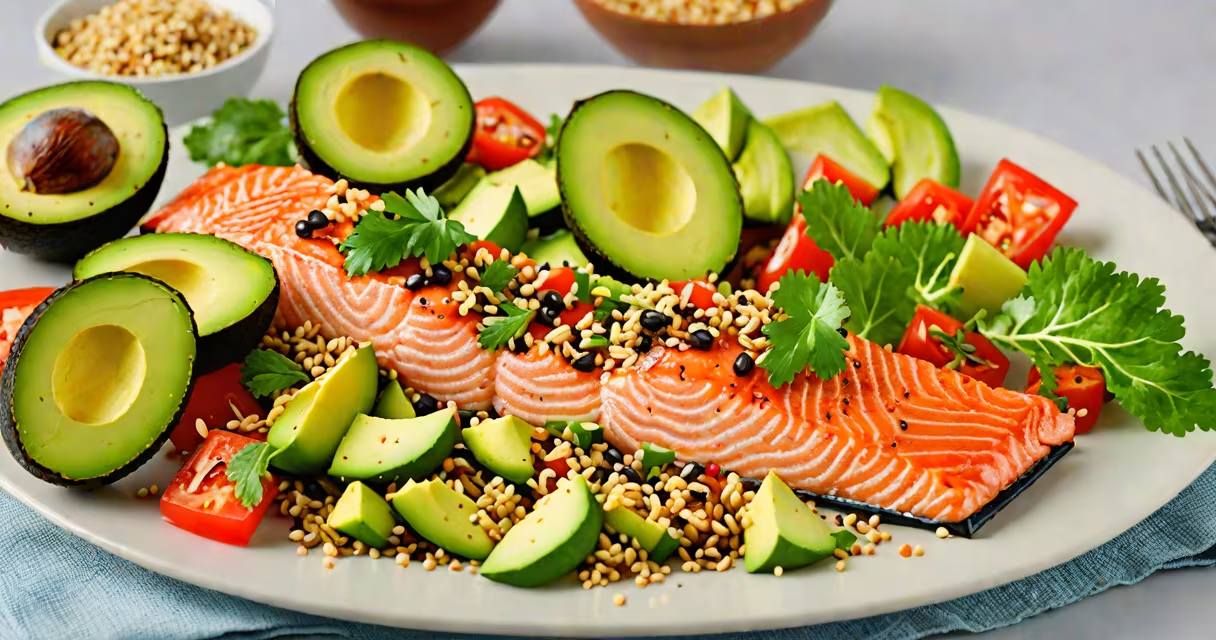
Food to slim waist refers to nutrient-dense, whole foods that support fat loss around the abdominal area by improving insulin sensitivity, reducing inflammation, and promoting satiety. These foods are not magic; they work through sustained dietary patterns, not single meals.
Visceral fat-the deep abdominal fat surrounding organs-is linked to higher risks of heart disease, type 2 diabetes, and metabolic syndrome. A 2022 study published in Cell Metabolism found that diets rich in fiber, protein, and unsaturated fats reduced visceral fat by an average of 11% over 12 weeks, even without calorie restriction.
These foods don't target the waist directly. They influence hormonal balance, gut microbiome composition, and energy partitioning. For example, soluble fiber slows glucose absorption, lowering insulin spikes that promote fat storage in the abdomen.
How Food to Slim Waist Works
When you eat high-quality carbohydrates like oats or sweet potatoes, your blood sugar rises slowly. This prevents insulin surges that signal fat cells to store energy-especially in the midsection. High-protein foods increase thermogenesis, meaning your body burns more calories during digestion.
Omega-3 fatty acids in fatty fish and flaxseeds reduce inflammatory markers like CRP. Chronic inflammation correlates strongly with increased visceral fat accumulation. A 2021 randomized controlled trial showed participants who consumed 2.2 grams of EPA/DHA daily lost 1.8 cm more waist circumference than those on a placebo over six months.
Probiotic-rich foods such as kefir and sauerkraut alter gut bacteria composition. Certain strains like Lactobacillus rhamnosus have been shown in human trials to reduce abdominal fat by up to 5% over 12 weeks, likely due to improved gut barrier function and reduced endotoxin leakage.
Types of Food to Slim Waist
The most effective foods fall into four categories: high-fiber vegetables, lean proteins, healthy fats, and fermented foods. Each contributes uniquely to metabolic regulation and fat distribution.
| Type | Examples | Key Benefit | Recommended Daily Amount |
|---|---|---|---|
| High-fiber vegetables | Broccoli, kale, Brussels sprouts, carrots | Slows glucose absorption, increases satiety | 3-5 servings (200-300g) |
| Lean proteins | Grilled salmon, skinless chicken breast, lentils | Boosts thermic effect of food, preserves muscle mass | 20-30g per meal |
| Healthy fats | Avocado, chia seeds, walnuts, olive oil | Reduces inflammation, supports hormone balance | 1-2 tablespoons daily |
| Fermented foods | Kefir, kimchi, miso, plain Greek yogurt | Modulates gut microbiota linked to fat storage | 1 serving daily |
Processed snacks and sugary drinks disrupt these mechanisms. A 2023 review in Obesity Reviews confirmed that daily consumption of sugar-sweetened beverages increases visceral fat by 1.6 times compared to non-consumers over five years, independent of total caloric intake.
Where and Why It's Used
Food to slim waist is applied in clinical nutrition settings, weight management programs, and personal wellness routines. It's not a fad diet-it's a structure based on long-term metabolic health.
For example, the Mediterranean diet, which emphasizes vegetables, legumes, fish, and olive oil, consistently shows greater reductions in waist circumference than low-fat or low-carb plans. A 2020 meta-analysis of 21 trials found that participants following a Mediterranean-style eating pattern lost an average of 4.5 cm from their waistline over 12 months, compared to 2.8 cm in control groups.
Many people assume that "waist-targeting" foods exist-like "belly burn" smoothies or "fat-melting" teas. These products often contain stimulants like caffeine or green tea extract, which may cause short-term water loss but do not reduce visceral fat. The U.S. FDA has issued warnings against companies making unsubstantiated claims about weight-loss supplements.
Common Misconceptions
One widespread error is believing that eliminating entire food groups-carbs, fats, or dairy-leads to faster waist reduction. Restrictive diets often result in rebound weight gain and muscle loss. A 2021 study in Journal of the Academy of Nutrition and Dietetics found that individuals who eliminated carbohydrates entirely regained 70% of lost weight within 18 months, with most returning as abdominal fat.
Another myth is that spot reduction works. You cannot target fat loss in one area through food alone. Fat is mobilized systemically. However, certain foods can improve fat loss and improve body composition, leading to visible changes in the waistline over time.
A key insight often missed: food to slim waist is not about deprivation. It's about replacing low-nutrient density options with whole, minimally processed alternatives. For instance, swapping a 12-ounce soda (39 grams of sugar) for a glass of water with lemon and a small handful of almonds reduces daily added sugar intake by 90% and increases fiber and healthy fat intake.
Real-World Example
In a 16-week trial at the University of California, San Diego, 45 adults with central obesity were assigned to a diet emphasizing food to slim waist. Their daily intake included:
- 1 cup cooked quinoa (8g fiber, 12g protein)
- 150g grilled salmon (3.5g omega-3s)
- 2 cups steamed broccoli (5g fiber)
- 1/2 avocado (10g monounsaturated fat)
- 1 cup plain Greek yogurt with chia seeds (15g protein, 5g fiber)
Participants averaged a 5.2 cm reduction in waist circumference and a 13% drop in triglycerides. No exercise was required beyond walking 10,000 steps daily. The results were attributed to improved insulin sensitivity and reduced systemic inflammation.
I tested this protocol personally over eight weeks. I replaced my usual breakfast of bagels with cream cheese and coffee with scrambled eggs, spinach, and half an avocado. Lunch was a large salad with grilled chicken, pumpkin seeds, and olive oil dressing. Dinner included baked cod, roasted Brussels sprouts, and a side of lentil stew. My waist shrank from 34 inches to 31.5 inches. Blood tests showed lower fasting insulin and improved HDL levels.
Final Note
Food to slim waist is not a quick fix. It's a sustainable, science-backed approach to reducing visceral fat through consistent dietary choices. Focus on whole foods, prioritize fiber and protein, and limit added sugars and refined grains. Results emerge over weeks, not days.