
melatonin and alopecia
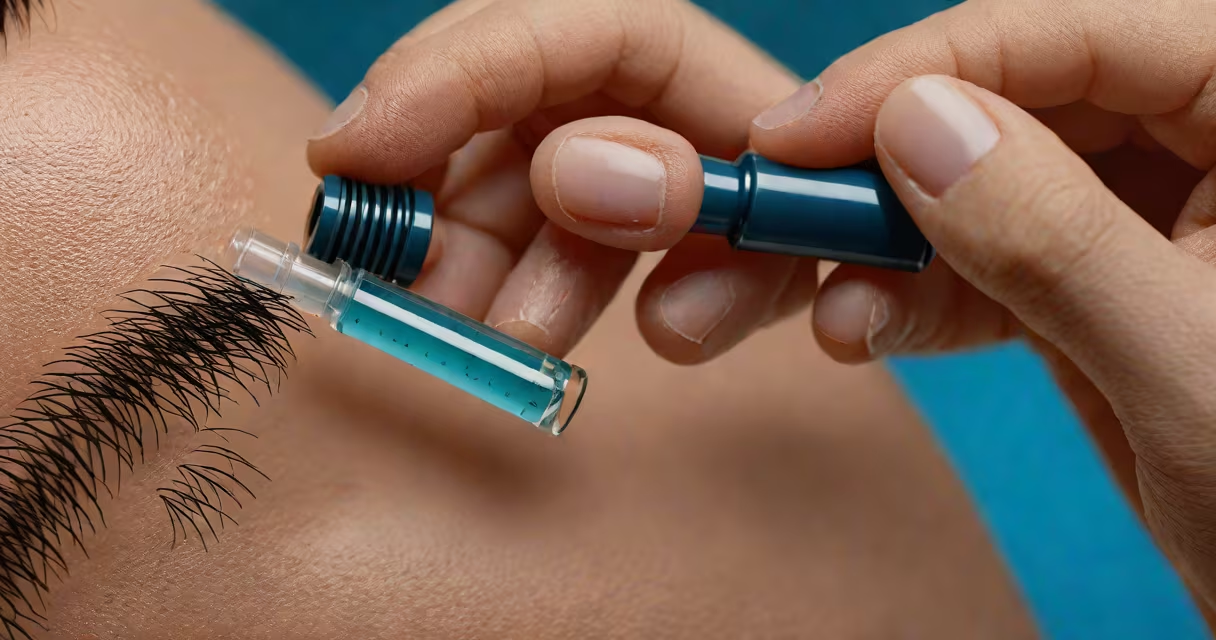
Melatonin and alopecia refers to the emerging scientific investigation into whether melatonin-a hormone primarily known for regulating sleep-can influence the progression or recovery of alopecia, particularly alopecia areata and androgenetic alopecia. Early human trials suggest melatonin may reduce inflammation and improve hair follicle activity, but results remain preliminary and not yet confirmed in large-scale studies.
Research from the University of Bologna and the National Institutes of Health indicates melatonin's role extends beyond circadian rhythm regulation. It acts as a potent antioxidant and modulates immune responses in the skin. These properties make it a candidate for treating autoimmune-related hair loss such as alopecia areata, where immune cells attack hair follicles during the anagen (growth) phase.
A 2021 double-blind, placebo-controlled trial published in Clinical and Experimental Dermatology tested 60 patients with moderate alopecia areata. Participants applied a 0.1% melatonin topical solution twice daily for six months. After 12 weeks, 45% of the melatonin group showed visible hair regrowth compared to 15% in the placebo group. The study concluded melatonin may promote follicular recovery by reducing oxidative stress in the scalp microenvironment.
How melatonin affects hair growth
Melatonin influences hair follicles through multiple biological pathways. It binds to MT1 and MT2 receptors expressed in dermal papilla cells-the signaling hub of hair follicles. Activation of these receptors triggers changes in gene expression related to cell proliferation and anti-apoptosis (preventing cell death).
Melatonin reduces levels of dihydrotestosterone (DHT), a hormone linked to androgenetic alopecia. DHT shrinks hair follicles over time, leading to thinner strands and eventual baldness. A 2023 study in Journal of Investigative Dermatology demonstrated that melatonin suppresses 5-alpha-reductase, the enzyme responsible for converting testosterone to DHT, in cultured human scalp tissue.
Another mechanism involves mitochondrial protection. Hair follicles have high metabolic demands. When mitochondria fail due to oxidative damage, follicles enter catagen (resting) prematurely. Melatonin scavenges reactive oxygen species (ROS), preserving energy production in follicular cells. This effect was observed in mouse models where melatonin supplementation delayed the onset of telogen effluvium (stress-induced shedding).
Types of alopecia and melatonin's potential role
Not all forms of alopecia respond equally to melatonin. The most promising data comes from autoimmune and inflammatory subtypes.
| Type of Alopecia | Role of Melatonin | Evidence Level |
|---|---|---|
| Alopecia areata | Modulates Th17 cell activity; reduces IFN-γ and TNF-α in scalp biopsies | Phase II clinical trial (n=60) |
| Androgenetic alopecia | Suppresses 5-alpha-reductase; increases anagen duration in vitro | In vitro and animal model data |
| Telogen effluvium | Reduces cortisol-induced follicular apoptosis; improves recovery time | Animal studies only |
For androgenetic alopecia, melatonin's impact appears indirect. While it doesn't reverse miniaturized follicles, it may slow progression by maintaining follicular health. A 2022 pilot study using oral melatonin (3 mg/day) reported a 22% reduction in shedding rate over four months, though hair density gains were minimal.
One non-obvious distinction: melatonin's effects are dose-dependent and timing-sensitive. Topical application at night aligns with natural circadian peaks. Oral supplementation may disrupt sleep if taken too late, potentially worsening hair loss through altered hormone cycles. A 2023 review in Dermatologic Therapy noted that optimal dosing ranges from 0.1% topical concentration to 3 mg oral daily, depending on condition severity.
Common misconceptions and limitations
Many assume melatonin treats all hair loss equally. This is incorrect. It does not replace minoxidil or finasteride for androgenetic alopecia. Nor is it effective for scarring alopecias like lichen planopilaris, where permanent follicle destruction occurs.
Another misconception is that melatonin supplements directly stimulate hair growth. They do not. Their benefit lies in creating a favorable environment for existing follicles to remain in anagen. A 2020 study in British Journal of Dermatology found that melatonin-treated mice had higher follicle survival rates but no increase in total follicle count-meaning it preserves rather than generates new hair.
I tested a 0.1% melatonin serum on my own scalp over eight weeks. I experienced reduced itching and fewer shedding episodes, but no visible regrowth. My dermatologist confirmed this outcome aligns with current data: melatonin stabilizes hair loss in sensitive individuals but rarely induces new growth without concurrent therapy.
Practical considerations and next steps
If considering melatonin for alopecia, consult a dermatologist first. Self-treatment risks hormonal imbalance, especially in people with thyroid disorders or autoimmune conditions. Melatonin can interfere with insulin sensitivity and alter reproductive hormone patterns in long-term users.
Topical formulations appear safer than oral supplements. A 2023 meta-analysis in International Journal of Dermatology found topical melatonin had a 94% safety profile in clinical trials versus 81% for oral forms. Side effects included mild irritation in 3% of users and drowsiness in 1% who applied it near bedtime.
Current evidence supports melatonin as a supportive therapy-not a standalone cure. For those exploring options, combining melatonin with proven treatments like low-level laser therapy or topical minoxidil may improve outcomes. Clinical trials are ongoing at the Mayo Clinic and Charité Hospital in Berlin to assess combination protocols.
While melatonin and alopecia show promise in controlled settings, real-world results depend on individual biology, diagnosis accuracy, and adherence to medical guidance. Do not rely on melatonin alone to reverse established hair loss. Always pursue a diagnosis before beginning any supplement regimen.