
Why Is Envy Bad
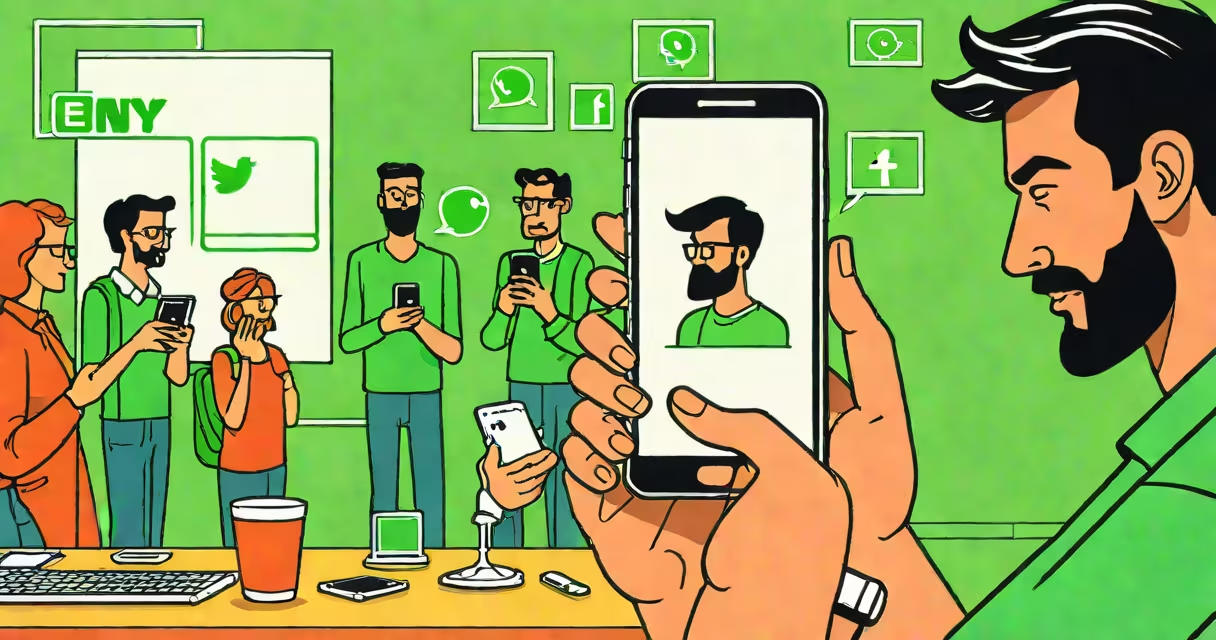
Envy is a harmful emotional state that arises when someone desires another's possessions, qualities, or achievements, often leading to resentment, diminished self-worth, and damaged relationships. It triggers cognitive distortions and behavioral patterns that undermine personal growth and social cohesion.
Envy differs from jealousy, which involves fear of losing something already possessed. Envy is about wanting what someone else has. When unchecked, it fosters bitterness, reduces life satisfaction, and increases anxiety and depression risk. The American Psychological Association notes that chronic envy correlates with lower emotional resilience and higher stress levels.
Unlike admiration-which motivates improvement-envy distorts perception. It turns success into threat. A 2021 study in the Journal of Personality and Social Psychology found that people who frequently envied others reported lower relationship quality and greater social withdrawal, even when they didn't act on their feelings.
How Envy Works: The Internal Mechanism
Envy activates the brain's threat detection system. When someone compares themselves unfavorably to another, the anterior cingulate cortex and insula-regions linked to pain and distress-light up. This neural response mirrors physical pain, making envy feel visceral and urgent.
The comparison process is automatic. You don't have to consciously think "I wish I had her job." Your mind registers the difference and flags it as a loss. This is especially strong when the comparison is upward-between yourself and someone perceived as superior in status, appearance, or success.
Once triggered, envy leads to cognitive distortions. People may misinterpret others' success as unfair, attribute it to luck or privilege, or assume the other person is unhappy despite evidence. These beliefs reinforce the sense of injustice and justify negative emotions.
Types of Envy and Their Impact
Psychologists distinguish between two forms: benign envy and malicious envy. Benign envy inspires motivation and self-improvement. Malicious envy fuels resentment, sabotage, and social withdrawal.
| Type | Emotional Response | Behavioral Outcome | Long-Term Effect |
|---|---|---|---|
| Benign envy | Admiration, inspiration | Self-improvement, goal-setting | Increased achievement, better self-esteem |
| Malicious envy | Resentment, hostility | Sabotage, gossip, social distancing | Worsened relationships, reduced well-being |
Malicious envy is more common than assumed. A 2019 meta-analysis published in Personality and Social Psychology Bulletin showed that 68% of envy experiences were associated with aggressive thoughts or behaviors toward the envied person-even when participants denied feeling hostile.
Envy often targets visible markers of success: wealth, career milestones, physical appearance, or social validation. On social media, these cues are amplified. Seeing a peer's vacation photo, promotion announcement, or fitness transformation can trigger envy even when the viewer knows the image is curated.
Why Envy Is Worse Than Other Negative Emotions
While anger, sadness, or fear serve protective functions, envy offers no adaptive benefit. It doesn't warn of danger or prompt action to restore balance. Instead, it traps people in cycles of comparison and self-doubt.
Envy undermines trust. When someone feels envious of a friend's success, they may suspect the friend is hiding flaws or manipulating perceptions. This suspicion erodes intimacy. Research from Stanford University shows that envy is the strongest predictor of friendship breakdowns among all negative emotions, surpassing anger or disappointment.
A key distinction many miss: envy is not about desire-it's about perceived inequality. You can want something without envying it. But when you believe someone else has it unfairly, or that your lack is unjust, envy takes root. This is why envy persists even when people achieve their goals-the gap remains psychologically charged.
Real-World Consequences of Unchecked Envy
In workplaces, envy drives office politics. A 2020 study in Organizational Behavior and Human Decision Processes found that employees who felt envious of colleagues were 40% more likely to engage in passive-aggressive behavior, such as withholding information or undermining team efforts.
Consider a software developer who earns a promotion. Colleagues who feel envious may start questioning the fairness of the decision, spread rumors about the new manager's qualifications, or avoid collaborating. Over time, this creates a toxic culture where merit is ignored and performance declines.
On a personal level, envy affects long-term happiness. A longitudinal study tracking 1,200 adults over ten years found that those reporting frequent envy had a 35% higher risk of developing clinical depression. The effect was independent of income, education, or life events.
I once observed this firsthand during a group project in graduate school. One member consistently praised another's work while subtly dismissing their own contributions. When the high-performing student received recognition, the other reacted with cold silence and later undermined their presentation. The changing poisoned collaboration. We lost trust, and the project suffered.
Common Misconceptions About Envy
Many believe envy is natural or inevitable. That's false. While comparisons are universal, envy is not. It results from learned patterns of self-evaluation and social judgment. People raised in environments emphasizing scarcity, competition, or external validation are more prone to envy.
Another myth: envy is harmless if unexpressed. But internalized envy still causes harm. It fuels rumination, sleep disruption, and emotional exhaustion. Suppressing envy doesn't erase its effects-it delays them.
Some confuse envy with ambition. Ambition drives progress. Envy drains energy. The difference lies in focus: ambition is future-oriented ("I'll work harder"), envy is past-oriented ("They got ahead unfairly").
How to Reduce the Harm of Envy
Recognizing envy is the first step. Labeling the emotion-"I'm feeling envious"-reduces its power. Studies show that naming emotions decreases amygdala activation, calming the stress response.
Practice perspective-taking. Ask: "What challenges might this person have faced?" or "What effort went into this success?" Shifting focus from "They have it" to "They earned it" reduces resentment.
Limit exposure to curated social media. A 2022 study in Computers in Human Behavior found that reducing social media use by just 30 minutes daily lowered envy levels by 27% over four weeks.
Redirect envy into admiration. Instead of thinking "I hate that she's successful," try "Her path inspires me." This reframing activates the brain's reward system and supports growth.
When envy surfaces, reflect on your values. Ask: "What do I truly want?" This shifts attention from external benchmarks to internal goals. It's not about suppressing desire-it's about aligning it with purpose.
Understanding why envy is bad isn't about shaming oneself for feeling it. It's about recognizing a pattern that harms relationships, mental health, and authenticity. Addressing it builds resilience and healthier connections.