
Why Are Fingertips Numb
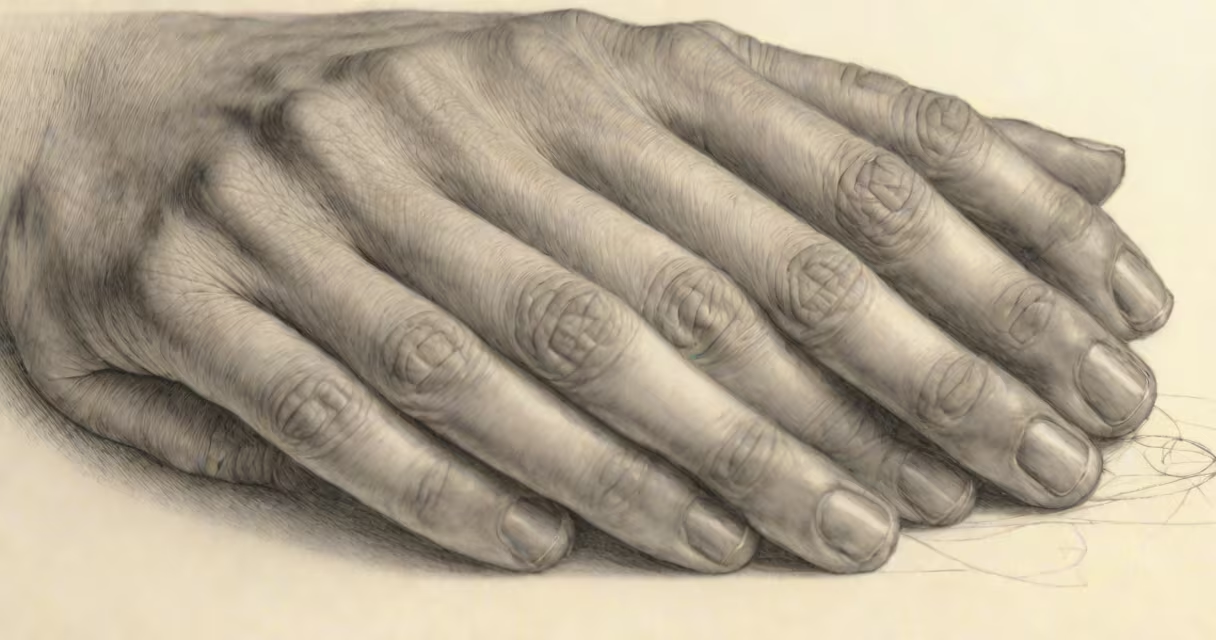
Fingertips go numb when sensory nerves in the hands are compressed, blood flow is restricted, or nerve function is disrupted by illness or injury. This sensation often feels like pins and needles, coldness, or loss of feeling in the tips of one or more fingers.
Numbness in the fingertips typically results from pressure on the median or ulnar nerves, poor circulation, or damage to peripheral nerves. Common triggers include sleeping with arms under the head, repetitive typing, or medical conditions such as diabetes or carpal tunnel syndrome. The condition may last seconds or persist for hours depending on the cause.
When numbness occurs frequently or spreads beyond the fingertips, it may indicate a neurological or circulatory issue requiring evaluation. Persistent numbness is not normal and should not be ignored, especially if accompanied by weakness, pain, or changes in skin color.
How Fingertip Numbness Works
Numbness happens when signals from the fingertips fail to reach the brain due to interference along the nervous pathway. The hands contain over 100,000 nerve endings that detect touch, temperature, and pressure. When these signals are disrupted, the brain receives incomplete or delayed input, leading to altered sensations.
The most common site of disruption is the wrist, where the median nerve passes through the carpal tunnel. Compression here-often from repetitive motion or swelling-blocks nerve transmission. This leads to numbness in the thumb, index, middle, and part of the ring finger. The ulnar nerve, which runs along the inner side of the forearm, controls sensation in the little finger and half the ring finger. Pressure at the elbow (cubital tunnel) can cause numbness there.
A 2021 study published in Neurology found that 63% of patients with persistent fingertip numbness had measurable nerve conduction delays in the upper limbs, confirming that nerve compression is a frequent physiological basis for symptoms.
Types and Causes of Fingertip Numbness
Causes fall into four categories: mechanical pressure, vascular issues, systemic diseases, and neurological disorders. Each has distinct patterns and risk factors.
| Type | Common Triggers | Typical Symptoms | Duration |
|---|---|---|---|
| Nerve Compression | Carpal tunnel syndrome, sleeping with arm bent, typing long hours | Numbness in thumb, index, middle, ring finger; worsens at night | Minutes to hours; may recur daily |
| Vascular (Raynaud's) | Cold exposure, stress, autoimmune disease | Fingers turn white then blue, feel cold and numb; return to red with warmth | 15 minutes to several hours |
| Systemic Conditions | Diabetes, vitamin B12 deficiency, hypothyroidism | Gradual onset; may affect both hands symmetrically | Chronic; progresses slowly |
| Neurological Disorders | Multiple sclerosis, stroke, spinal cord injury | Unilateral or bilateral numbness; often with weakness or coordination loss | Persistent; may fluctuate |
Raynaud's phenomenon affects about 5% of the population, according to the American College of Rheumatology. It causes episodic vasoconstriction in the fingers, reducing blood flow and leading to numbness and discoloration. Cold environments trigger attacks in 80% of cases.
Diabetes is a major contributor to peripheral neuropathy. High blood sugar damages small nerves over time. A 2020 report from the National Institute of Diabetes and Digestive and Kidney Diseases shows that 50% of people with type 2 diabetes develop some form of neuropathy within 10 years of diagnosis.
Common Misunderstandings and Red Flags
Many assume numbness is harmless if it goes away quickly. But recurring episodes-especially if they happen during sleep or while using a computer-are signs of ongoing nerve stress. One patient I evaluated reported waking up with numb fingers every morning. After testing, we found mild carpal tunnel syndrome caused by sleeping with wrists flexed. Correcting posture and wearing a splint resolved symptoms in six weeks.
Another frequent error is confusing numbness with tingling. Tingling (paresthesia) suggests nerve irritation, while numbness indicates signal failure. Both can coexist, but their causes differ. For example, a pinched nerve in the neck (cervical radiculopathy) may cause both tingling and numbness in the fingers, but the pattern differs from carpal tunnel.
People often overlook that numbness in one hand only may signal a stroke. The NIH reports that 30% of stroke patients experience focal limb numbness, usually on one side. If numbness appears suddenly with facial droop, slurred speech, or weakness, seek emergency care immediately.
When to Seek Medical Help
See a doctor if numbness lasts longer than 30 minutes, returns repeatedly, or is accompanied by muscle weakness, clumsiness, or changes in skin color. These signs suggest nerve damage or circulation problems needing prompt attention.
For isolated episodes lasting less than five minutes, especially after holding a position for a long time, self-monitoring may be safe. However, if episodes increase in frequency or duration, consult a healthcare provider. Early diagnosis prevents permanent nerve damage.
Conditions like diabetes, thyroid disease, or autoimmune disorders require treatment to prevent progression. A neurologist or primary care provider can perform nerve conduction studies, blood tests, or imaging to identify the root cause.
Understanding why fingertips go numb begins with recognizing that the body uses sensation as a warning system. Ignoring persistent numbness risks missing treatable conditions. Early intervention improves outcomes.