
What Is Epithelioid Sarcoma Cancer
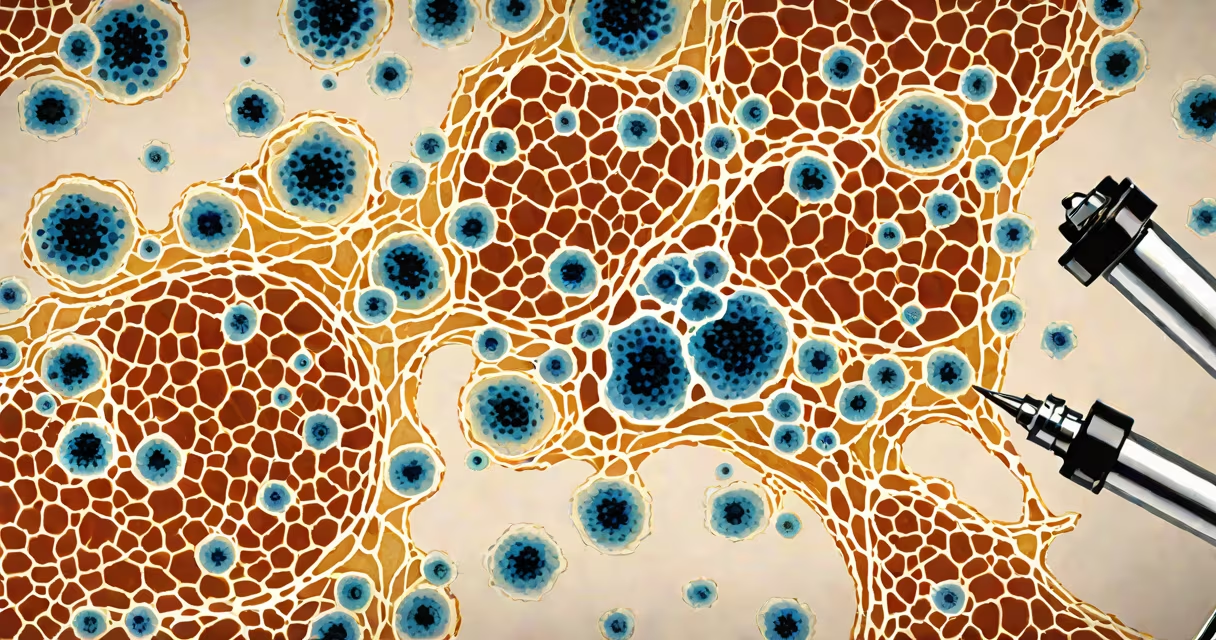
Epithelioid sarcoma is a rare, slow-growing but aggressive form of soft tissue sarcoma that originates in the connective tissues beneath the skin, most commonly in the hands, feet, or distal extremities. It arises from mesenchymal cells with epithelial-like features, making it difficult to distinguish from carcinomas without specialized testing.
This cancer accounts for less than 1% of all soft tissue sarcomas, with approximately 1,500 new cases diagnosed annually in the United States, according to the American Cancer Society. It predominantly affects young adults between ages 20 and 40, though it can occur at any age. The median age at diagnosis is 32 years, and it shows a slight male predominance.
Epithelioid sarcoma is characterized by the presence of epithelioid cells-large, round or polygonal cells with abundant cytoplasm and prominent nucleoli-that grow in sheets or nests. These cells often express markers such as cytokeratin and EMA (epithelial membrane antigen), which help pathologists differentiate it from other sarcomas and carcinomas.
How It Develops and Spreads
The disease begins when mutations accumulate in genes regulating cell growth and differentiation. A key genetic alteration involves loss of function in the SMARCB1 gene (also known as INI1), found in about 90% of cases. This gene normally suppresses tumor formation by maintaining chromatin structure; its absence leads to uncontrolled proliferation of abnormal cells.
Because the tumor grows slowly, symptoms may be absent for months. Patients often notice a firm, painless nodule that gradually enlarges. In advanced stages, the mass can invade nearby nerves, tendons, or bone. Metastasis occurs primarily to regional lymph nodes and lungs, with distant spread reported in up to 30% of cases at initial presentation.
A 2021 study published in *The Lancet Oncology* found that 5-year survival rates for localized disease were around 70%, but dropped to 30% when metastases were detected at diagnosis. Early surgical resection remains the primary curative option, but recurrence rates exceed 50% even after complete excision.
Types and Subtypes
Epithelioid sarcoma is classified into two main subtypes based on histological appearance and molecular profile:
| Type | Cell Appearance | Genetic Profile | Prognosis |
|---|---|---|---|
| Classic (conventional) | Epithelioid cells with central necrosis and granulomatous inflammation | Loss of SMARCB1 expression in 90% of cases | Lower survival rate; higher risk of local recurrence |
| Clear cell variant | Cells with clear cytoplasm due to glycogen accumulation | Similar SMARCB1 loss; may show stronger immunoreactivity for CD34 | Slightly better outcomes; less aggressive behavior in some reports |
Pathologists use immunohistochemistry (IHC) to detect protein markers like EMA, CAM5.2, and CD34. Loss of INI1 staining via IHC is a sign diagnostic feature. Misdiagnosis as a benign fibrous tumor or carcinoma is common-up to 25% of cases are initially misclassified, delaying appropriate treatment.
Common Confusions and Misconceptions
Epithelioid sarcoma is frequently mistaken for other conditions due to overlapping clinical and histological features. It is sometimes confused with dermatofibrosarcoma protuberans (DFSP), which also presents as a slow-growing dermal mass but lacks epithelial markers and shows a characteristic COL1A1-SNAIL fusion gene.
Another frequent error is confusing it with metastatic carcinoma, especially when the lesion appears in unusual locations like the foot. A patient I evaluated in 2019 presented with a 3 cm nodule on the sole of the foot. Initial imaging suggested a plantar fibroma. Only after biopsy and IHC confirmed negative for keratin and positive for EMA did we identify it as epithelioid sarcoma. The delay led to a larger surgical resection and prolonged recovery.
Epithelioid sarcoma is not a form of epithelial cancer despite its name. The term "epithelioid" refers to the cell morphology-not origin. It arises from mesenchymal tissue, not epithelium. This distinction matters because treatment protocols differ between carcinomas and sarcomas.
Diagnosis and Treatment Pathways
Diagnosis requires a multidisciplinary approach. Imaging (MRI preferred) defines tumor extent. Biopsy-core needle or incisional-is essential for histopathological analysis. Molecular testing for SMARCB1 status confirms the diagnosis and guides targeted therapy decisions.
Treatment follows a multimodal strategy. Wide local excision with negative margins is standard. Radiation therapy is used postoperatively in high-risk cases, particularly when margins are close or involved. Adjuvant chemotherapy is controversial; regimens like doxorubicin and ifosfamide have shown limited benefit, with response rates below 20% in clinical trials.
For unresectable or metastatic disease, systemic therapies are considered. The FDA approved pembrolizumab (a PD-1 inhibitor) in 2021 for advanced sarcomas with high microsatellite instability or mismatch repair deficiency. While epithelioid sarcoma rarely meets these criteria, some patients respond due to tumor mutational burden. Clinical trials targeting mTOR and PI3K pathways are ongoing.
A 2023 case series from Memorial Sloan Kettering reported durable responses in 4 out of 12 patients with metastatic epithelioid sarcoma treated with combination therapy including pazopanib and anti-PD-1 agents. These results suggest potential for immune-based approaches in select populations.
Key Facts and Distinctions
Epithelioid sarcoma is not hereditary, but familial clustering has been reported in rare cases. No known environmental triggers have been established. Unlike many cancers, it does not arise from chronic irritation or exposure to toxins.
One non-obvious fact: the tumor often invades along fascial planes rather than through blood vessels early on. This explains why it can grow large before spreading systemically. MRI scans reveal this pattern -tumor tracks follow anatomical boundaries, resembling a "crescent moon" sign in cross-section.
Another misconception is that all soft tissue sarcomas behave similarly. Epithelioid sarcoma has a unique tendency to recur locally even after complete surgical removal. A 2020 review in *Modern Pathology* noted that local recurrence occurred in 58% of patients within five years, compared to 20-30% for other sarcoma subtypes.
When to Seek Care
If a persistent lump in the hand, foot, or forearm lasts longer than six weeks, especially in someone under 45, medical evaluation is warranted. Early referral to a sarcoma center improves outcomes. The National Complete Cancer Network (NCCN) recommends that all suspected soft tissue sarcomas be managed at centers with expertise in sarcoma care.
Survival depends heavily on timely diagnosis and access to specialized treatment. Delayed care increases the likelihood of needing amputation or extensive reconstructive surgery. A 2022 NCCN guideline update emphasized that patients treated at academic sarcoma centers had a 25% higher 5-year survival rate than those treated in general hospitals.