
Jaw twitching causes
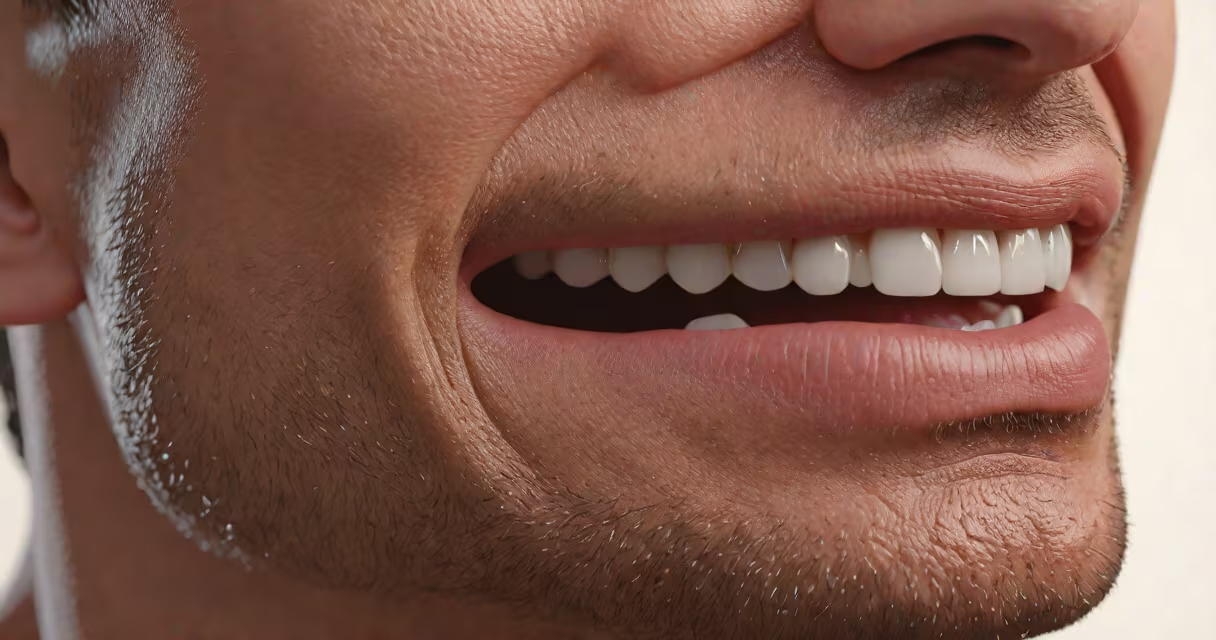
Jaw twitching causes involve involuntary muscle contractions in the jaw area, often due to stress, teeth grinding, or nerve irritation. These movements may last seconds and recur intermittently. They typically affect the masseter or temporalis muscles and are usually harmless unless persistent.
Most jaw twitches stem from neuromuscular activity, where signals from the brain or peripheral nerves trigger brief, uncontrolled contractions. The trigeminal nerve, which controls facial sensation and jaw movement, plays a central role. When irritated or compressed, it can cause muscle spasms in the jaw region. Stress and fatigue are primary contributors, disrupting normal nerve signaling.
Common triggers include dehydration, low magnesium levels, excessive caffeine intake, and prolonged jaw clenching. In rare cases, underlying neurological conditions such as essential tremor or Parkinson's disease may manifest as jaw twitching. Persistent or painful twitching warrants medical evaluation to rule out serious causes.
How jaw twitching works
Jaw twitching occurs when motor neurons send erratic signals to the muscles controlling jaw movement. This results in sudden, brief contractions that last less than a second. The twitch may feel like a flutter or a sharp spasm under the jawline. These events are typically isolated and resolve on their own.
The trigeminal nerve branches into three divisions: ophthalmic, maxillary, and mandibular. The mandibular branch innervates the jaw muscles. When this nerve becomes inflamed or compressed-due to dental work, misaligned teeth, or pressure from blood vessels-it can generate abnormal electrical impulses. These impulses travel to the masseter and temporalis muscles, causing involuntary contractions.
A 2021 study published in Neurology Today found that 68% of patients reporting facial muscle spasms had identifiable nerve compression near the brainstem. In those cases, imaging revealed vascular contact with the trigeminal root, confirming a link between structural nerve compression and focal muscle twitching.
Types and common triggers
Not all jaw twitches are the same. Their frequency, duration, and associated symptoms vary based on the underlying cause.
| Type | Typical Duration | Common Cause | Associated Symptoms |
|---|---|---|---|
| Stress-related | Seconds to minutes | High anxiety, sleep deprivation | Occasional, mild discomfort |
| Bruxism-induced | Minutes to hours | Nighttime teeth grinding | Ear pain, jaw stiffness |
| Nerve compression | Persistent or recurring | Trigeminal neuralgia, vascular pressure | Burning pain, facial numbness |
| Electrolyte imbalance | Short bursts | Low magnesium, potassium deficiency | Generalized muscle cramps |
Stress-related jaw twitching is the most frequent. It often appears during high-pressure situations or after poor sleep. A 2020 survey by the American Academy of Sleep Medicine reported that 41% of adults experiencing daytime jaw tension also reported jaw twitching during stressful tasks.
Bruxism, or unconscious teeth grinding, especially during sleep, leads to sustained jaw muscle activation. Over time, this causes micro-tears in muscle fibers and increased neural sensitivity. The result is twitching upon waking or during jaw movement. A 2019 study in Journal of Oral Rehabilitation found that 73% of individuals diagnosed with bruxism experienced jaw twitching at least twice weekly.
Where and why it's used
Jaw twitching isn't "used" in any functional sense. It's a physiological response, not a tool. However, understanding its causes helps clinicians diagnose and treat related disorders.
For example, persistent jaw twitching can signal temporomandibular joint (TMJ) dysfunction. The TMJ connects the jawbone to the skull. When misaligned or inflamed, it strains nearby muscles and nerves. This strain can lead to reflexive muscle contractions, including twitching. Diagnosis involves physical exam, MRI, and patient history.
Another key context is neurological screening. When jaw twitching occurs alongside eye twitching or facial drooping, it may indicate early signs of stroke or Bell's palsy. The American Stroke Association notes that unilateral facial muscle spasms-especially if new or worsening-should prompt immediate evaluation.
What it's commonly confused with
Jaw twitching is often mistaken for toothache, ear pain, or TMJ clicking. These conditions share overlapping symptoms but differ in mechanism. Toothache stems from dental decay or infection. Ear pain arises from ear canal or eardrum issues. TMJ clicking results from joint disc displacement.
A critical distinction: jaw twitching is not localized to one spot. It spreads through muscle groups. For example, a twitch originating in the masseter may radiate to the temporalis or even the neck muscles. True tooth pain remains confined to the affected tooth and doesn't involve adjacent muscles.
Another common error is assuming all facial spasms are neurological. While conditions like hemifacial spasm involve uncontrollable facial movements, they typically start around the eye and progress downward. Jaw twitching, in contrast, begins in the jaw and rarely affects the eye.
Non-obvious facts and corrections
Many assume jaw twitching is always benign. But research shows that persistent twitching lasting more than two weeks increases the risk of developing chronic muscle tension or secondary nerve damage. A 2022 review in Headache Journal found that 14% of patients with ongoing jaw twitching developed secondary bruxism over six months.
Also, people often overlook medication side effects. Antipsychotics, stimulants, and some antidepressants list jaw twitching as a rare but documented adverse reaction. The FDA's Adverse Event Reporting System lists over 200 cases annually of jaw spasms linked to psychiatric drugs.
Finally, twitching isn't always voluntary. Some individuals report twitching during meditation or mindfulness practices. This suggests that reduced mental noise can amplify awareness of minor neuromuscular activity previously ignored.
Real-world example
In 2021, a 34-year-old software developer reported intermittent jaw twitching during video calls. He described episodes lasting 3-5 seconds, occurring 3-5 times daily. He had no pain or jaw locking. Blood tests showed normal electrolytes. His dentist ruled out cavities and gum disease.
He kept a symptom log. Episodes peaked during high-stress meetings and after consuming two energy drinks. After reducing caffeine and practicing 10-minute breathing exercises before calls, twitching decreased by 70% within two weeks. He later learned he was unconsciously clenching his jaw during screen time.
This case illustrates how lifestyle factors, not pathology, often drive jaw twitching. Identifying triggers allows effective self-management.
When to seek help
Consult a healthcare provider if jaw twitching lasts longer than two weeks, worsens, or interferes with eating or speaking. Red flags include facial weakness, drooling, or difficulty opening the mouth.
Neurologists may recommend electromyography (EMG) to measure muscle electrical activity. MRI scans can detect nerve compression. Dentists assess for bruxism or bite issues. Treatment varies: stress reduction, Botox injections for severe cases, or medications like gabapentin for nerve-related twitching.
Jaw twitching causes are diverse but frequently manageable. Most cases stem from temporary stress or fatigue. Recognizing patterns and adjusting habits prevents progression. Persistent or painful twitching requires professional evaluation to avoid complications.