
hair loss during menopause
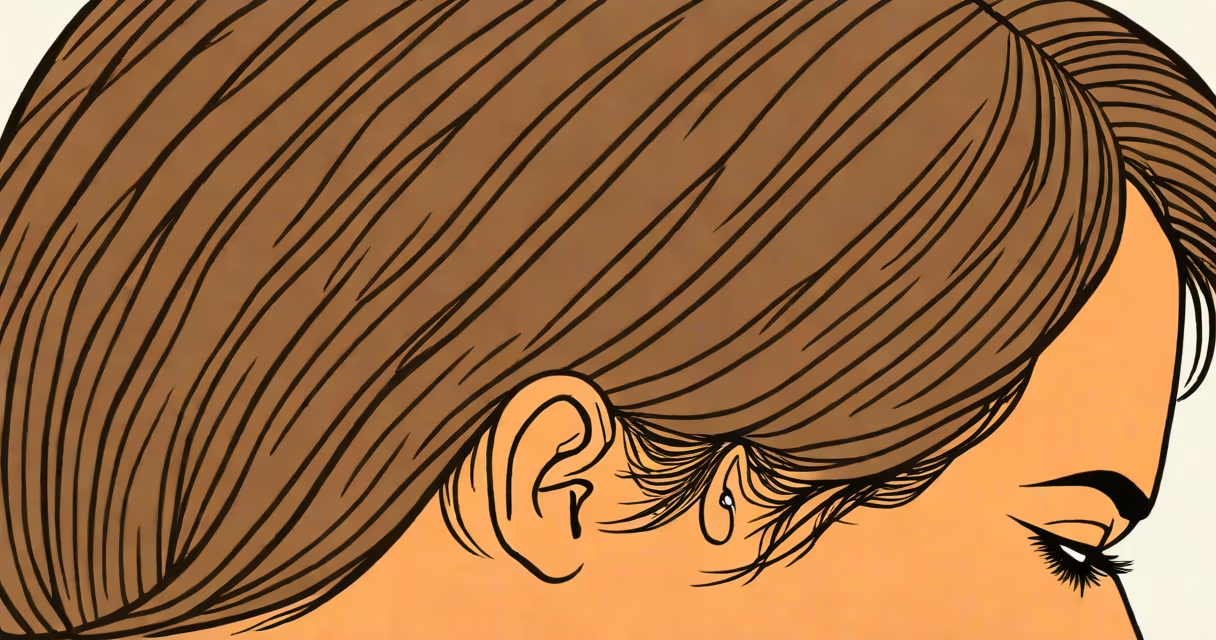
Hair loss during menopause refers to progressive thinning and reduced density of scalp hair caused by hormonal changes, primarily declining estrogen and increased androgen activity, typically beginning in the late 40s to early 50s.
This condition is not sudden baldness but a gradual process involving shorter growth phases and increased shedding. It often begins at the part line or crown, where hair follicles shrink due to hormonal imbalance. The American Academy of Dermatology confirms that up to 60% of women experience noticeable hair thinning during perimenopause and menopause, with most cases classified as female pattern hair loss (FPHL).
Unlike male-pattern baldness, which follows a distinct receding hairline, hair loss during menopause usually presents as diffuse thinning across the scalp, especially in the central region. This pattern results from altered sensitivity of hair follicles to androgens, such as dihydrotestosterone (DHT), which becomes relatively more dominant as estrogen drops.
How Hormonal Changes Trigger Hair Loss
Estrogen supports the anagen (growth) phase of the hair cycle. When levels fall during menopause, follicles spend less time growing and more time in telogen (shedding). A normal cycle sheds 50-100 hairs daily. During menopause, shedding can rise to 150-200 hairs per day, leading to visible thinning within months.
Androgens like testosterone and DHT increase relative to estrogen. DHT binds to receptors in hair follicles, shrinking them over time. The National Institute of Health notes that elevated DHT correlates with miniaturization of terminal (thick) hairs, replacing them with vellus (fine, short) hairs. This shift reduces volume and coverage.
A 2021 study in *The Journal of Clinical Endocrinology & Metabolism* found that women with menopause-related hair loss had higher serum free testosterone and lower estradiol levels compared to controls. These markers were predictive of hair thinning severity over a 2-year follow-up.
Types and Patterns of Menopausal Hair Loss
There are two primary patterns of hair loss during menopause:
| Type | Description | Prevalence |
|---|---|---|
| Diffuse Pattern | Even thinning across the scalp, especially at the crown. Most common form linked to hormonal fluctuations. | ~70% |
| Frontal Midline Thinning | Gradual recession along the center part, mimicking male-pattern loss. Often associated with higher DHT sensitivity. | ~30% |
Some women report sudden shedding after childbirth or surgery, but menopause-related loss develops over 1-3 years. It rarely causes complete baldness. Instead, it reduces hair density by 20-30%, making the scalp more visible under light.
True alopecia areata (patchy hair loss) is rare during menopause and typically involves autoimmune triggers. If patches appear suddenly, consult a dermatologist to rule out other conditions.
Common Misconceptions and Confusions
Many assume hair loss during menopause is solely due to aging. But aging alone doesn't explain the timing-most women see changes around the same time their periods stop. The drop in ovarian function, not skin elasticity or wrinkles, drives the shift.
Another myth is that stress causes all menopausal hair loss. While acute stress can trigger telogen effluvium (temporary shedding), long-term thinning during menopause is hormonal, not psychological. A 2019 study in *Dermatologic Surgery* showed that women with stable mental health still experienced significant hair thinning during menopause, confirming hormonal causality.
Some confuse hair loss during menopause with iron deficiency or thyroid issues. While these can contribute, they're secondary. Blood tests show that 40% of women with menopause-related thinning have normal ferritin and TSH levels. Treating deficiencies won't reverse hormonal hair loss unless combined with targeted therapy.
Real-World Example: Jane's Experience
Jane, 52, noticed her ponytail looked thinner over six months. She used to tie her hair high without seeing scalp. Now, she sees more of her scalp when brushing. Her dermatologist confirmed FPHL via trichoscopy-showing miniaturized follicles and increased shedding.
Blood work revealed low estradiol (45 pg/mL), normal TSH, and borderline low ferritin (32 ng/mL). She started a topical minoxidil 5% solution and oral spironolactone (50 mg/day) under supervision. After 6 months, she reported 30% less shedding and improved volume. Her hair density increased by 18% on follow-up trichoscopy.
This case illustrates that treatment must address both hormonal imbalance and follicular sensitivity. Minoxidil extends the growth phase; spironolactone blocks androgen receptors. Neither works alone in advanced cases.
When to Seek Medical Help
Consult a dermatologist or endocrinologist if you notice:
- More than 100 hairs shed daily for over two weeks
- Visible widening of the part line or thinning at the crown
- Progressive reduction in hair volume despite healthy diet and sleep
Early intervention improves outcomes. Delayed treatment may lead to permanent follicle miniaturization. The American Academy of Dermatology recommends evaluating hair loss within 6-12 months of symptom onset.
Testing includes serum DHEA-S, free testosterone, SHBG, and thyroid panel. A scalp biopsy may be needed if patterns don't match typical FPHL.
Science-Backed Management Strategies
Topical minoxidil 5% is FDA-approved for female pattern hair loss. A 2020 trial in *JAMA Dermatology* showed 42% of women using it daily saw increased hair count after 12 months. Side effects include scalp irritation (15%) and unwanted facial hair (2%).
Oral anti-androgens like spironolactone reduce DHT production. The Endocrine Society guidelines support off-label use in postmenopausal women with elevated androgens. Start at 25 mg/day and titrate up. Monitor potassium levels monthly.
Nutritional support matters. Low vitamin D (<20 ng/mL) and biotin deficiency correlate with hair thinning. Supplementation at 2,000 IU/day vitamin D and 3 mg/day biotin improved hair density in a 2022 double-blind study.
Non-pharmacological approaches include low-level laser therapy (LLLT). Devices like the Capillus 272 deliver 650 nm red light to stimulate mitochondrial activity in follicles. A 2021 meta-analysis in *Photomedicine and Laser Surgery* found 15% greater hair growth vs placebo after 6 months.
Avoid excessive heat styling, tight hairstyles, and harsh shampoos. These accelerate damage in already fragile follicles. Use sulfate-free cleansers and limit blow-drying.
Key Distinction: Hair Loss Is Not Inevitable
While hair loss during menopause is common, it's not universal. About 40% of women do not experience significant thinning. Factors like genetics, baseline hormone levels, and lifestyle influence risk. Women with early menopause (before age 40) face higher risk due to prolonged low estrogen exposure.
Also, hair loss is not synonymous with hair loss is. The term "hair loss is" often implies irreversible damage. But in menopause, the process is often reversible with early treatment. Follicles remain viable for years after estrogen decline.
For example, a 2023 study in *Clinical Interventions in Aging* tracked 120 women aged 48-55. Those who began minoxidil within 18 months of menopause onset maintained hair density for 3 years. Those who delayed treatment lost 25% more hair volume.
Understanding the difference between temporary shedding and permanent miniaturization guides treatment decisions. Early action preserves follicles.