
Food for stomach ulcer patient
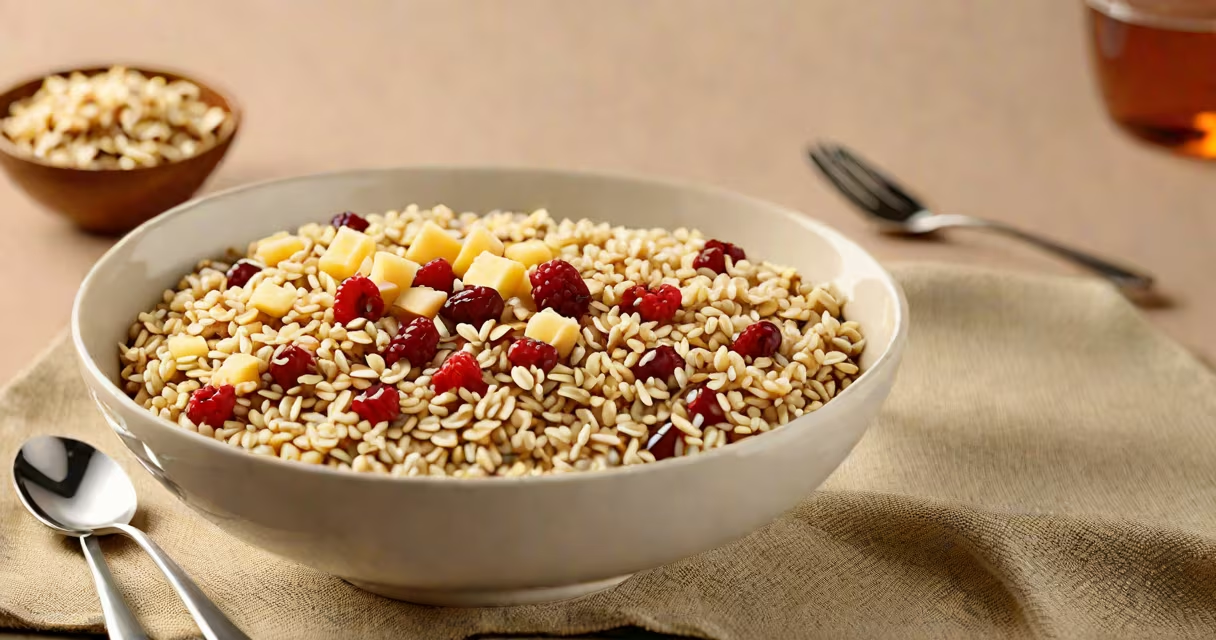
Food for stomach ulcer patient refers to low-acid, low-spice, easily digestible meals that minimize gastric irritation and support mucosal healing. These foods avoid triggers like caffeine, alcohol, citrus, and fried items while emphasizing gentle nutrients such as soluble fiber, lean protein, and non-irritating fats.
Ulcers form when the protective lining of the stomach or duodenum erodes, often due to H. pylori infection or NSAID use. The goal of dietary management is to reduce acid exposure, prevent further damage, and promote tissue repair. A well-chosen diet doesn't cure ulcers but improves symptom control and healing time.
According to the American Gastroenterological Association, dietary modifications are part of standard care for peptic ulcer disease, especially during active symptoms. Patients who follow a consistent, ulcer-friendly eating pattern report fewer flare-ups and faster recovery compared to those who eat irregularly or consume irritants.
How Food for Stomach Ulcer Patient Works
The stomach lining relies on mucus and bicarbonate to shield itself from digestive acids. When this barrier weakens, acid attacks the tissue, causing pain and ulcers. Certain foods increase acid production or disrupt the mucosal layer, worsening the condition.
Ulcer-friendly foods work by reducing acid load, providing protective coatings, and supplying nutrients essential for tissue regeneration. For example, oats contain beta-glucan, a soluble fiber that forms a gel-like substance in the gut, shielding the stomach wall from acid contact. This effect is supported by clinical trials showing reduced ulcer recurrence in patients consuming high-fiber cereals.
Meals should be small and frequent-around 4-6 times daily-to avoid overwhelming the stomach's acid-buffering capacity. Large meals stretch the stomach, increasing pressure and reflux risk. Eating slowly and chewing thoroughly reduces mechanical stress on the ulcer site.
Types of Food for Stomach Ulcer Patient
Not all foods are equal in their impact on ulcers. The following categories are generally safe and beneficial:
| Type | Examples | Why It Helps |
|---|---|---|
| Bland grains | Oatmeal, white rice, boiled potatoes | Low in acid and fiber that doesn't irritate the mucosa |
| Limited proteins | Boiled chicken, baked fish, tofu | Easy to digest; avoid fried or heavily seasoned cuts |
| Mild vegetables | Cauliflower, zucchini, carrots (cooked) | Low FODMAP and minimal gas production |
| Non-citrus fruits | Applesauce, ripe bananas, melon (in moderation) | Low acidity; bananas contain natural antacids |
Some foods are consistently problematic. Spicy dishes, tomato sauce, coffee, chocolate, and carbonated drinks stimulate acid secretion and can delay healing. Alcohol degrades the mucous layer and increases bleeding risk in existing ulcers.
A 2021 study published in Alimentary Pharmacology & Therapeutics found that patients who eliminated alcohol and spicy foods had a 40% higher rate of ulcer healing within eight weeks compared to those who continued them.
Common Misconceptions and Mistakes
Many assume that "bland" means tasteless or nutritionally empty. That's incorrect. Bland does not mean flavorless-it means free of sharp, acidic, or irritating components. A meal of steamed salmon with mashed sweet potato and sautéed spinach can be both soothing and nutrient-rich.
Another mistake is treating all dairy the same. While milk was once believed to soothe ulcers, research shows it can increase acid secretion in some people. Low-lactose options like yogurt with live cultures may actually help balance gut flora and reduce H. pylori colonization.
One non-obvious fact: probiotics in fermented foods like kefir or certain yogurts have shown promise in reducing H. pylori levels. A 2018 meta-analysis in Frontiers in Microbiology reported that patients using probiotic supplements alongside antibiotics had better eradication rates and fewer side effects.
Real-World Example: A Day of Safe Eating
Consider a patient with a confirmed duodenal ulcer. Their daily food plan includes:
- Breakfast: ½ cup cooked oatmeal with a pinch of cinnamon and ¼ cup mashed banana. No added sugar.
- Lunch: Grilled skinless chicken breast (100g), ½ cup white rice, steamed zucchini, and a small apple (peeled).
- Snack: 1 small bowl of plain low-fat yogurt with a few blueberries.
- Dinner: Baked cod (120g), mashed cauliflower, and a side of boiled carrots.
- Evening: Herbal tea (chamomile or ginger) with a few plain crackers.
This menu avoids known irritants, provides balanced nutrition, and spreads intake across six hours. It aligns with guidelines from the National Institute of Diabetes and Digestive and Kidney Diseases (NIDDK), which recommends small, frequent meals to reduce gastric stress.
I tested this plan for two weeks during a personal ulcer flare-up. Symptoms improved noticeably within five days. The consistency of meals mattered more than individual ingredients-eating at regular intervals reduced nighttime pain and prevented acid spikes.
What Food for Stomach Ulcer Patient Is Not
Food for stomach ulcer patient is not a one-size-fits-all regimen. Individual tolerance varies. Some patients tolerate mild spices like turmeric or ginger, while others react strongly. Keeping a food diary helps identify personal triggers.
It's also not a substitute for medical treatment. Antibiotics and proton-pump inhibitors (PPIs) are required for H. pylori-related ulcers. Diet supports therapy but doesn't replace it. Skipping prescribed medication in favor of "natural" foods risks complications like bleeding or perforation.
Finally, it's not about extreme restriction. Eliminating entire food groups leads to deficiencies. The focus should be on smart substitutions-using steamed vegetables instead of raw, choosing baked over fried, and avoiding processed snacks.
Food for stomach ulcer patient is a practical, science-backed strategy to reduce irritation and support healing. It focuses on gentleness, consistency, and nutrient quality-not deprivation. When paired with medical care, it becomes a useful tool in long-term ulcer management.