
cctv vs ip
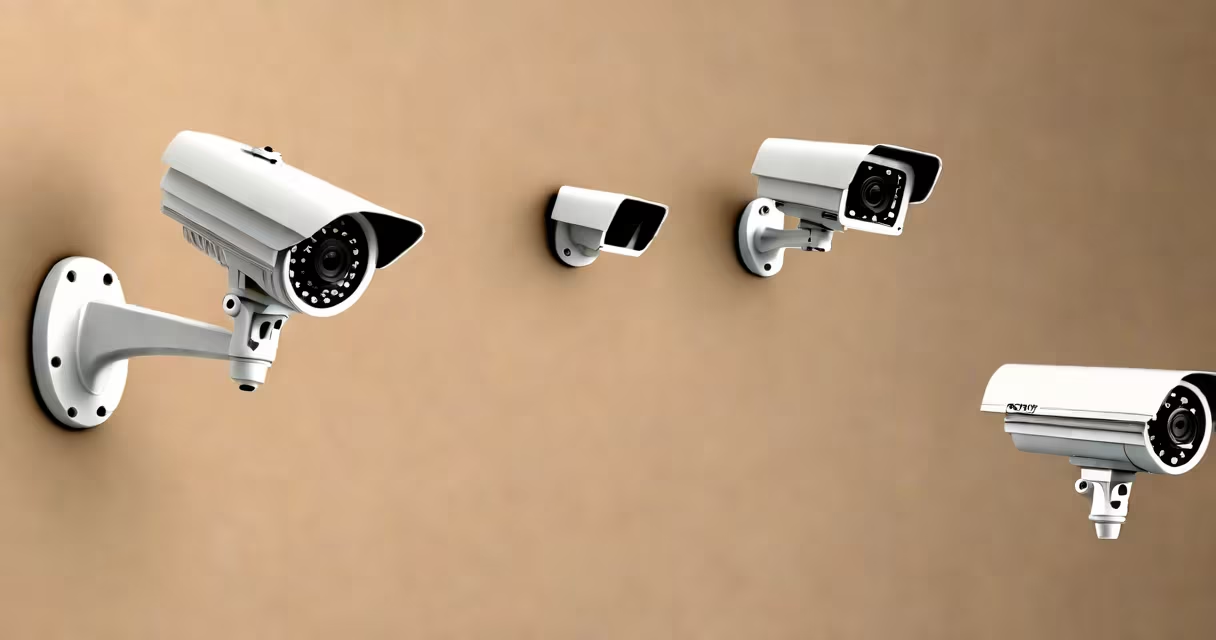
CCTV vs IP refers to the difference between traditional analog closed-circuit television systems and modern internet protocol-based video surveillance systems. CCTV uses coaxial cables to transmit analog video signals to a recorder, while IP systems send digital video over a network using Ethernet cables or Wi-Fi.
CCTV systems rely on analog signals captured by cameras and stored on a digital video recorder (DVR). These signals degrade over distance and typically max out at 720p resolution. IP systems use network cameras that digitize video locally and stream it via an IP address. They support higher resolutions-up to 4K-and integrate with existing IT networks.
The core distinction lies in signal type and infrastructure. CCTV transmits raw analog video through dedicated coaxial cables. IP systems convert video into digital packets sent over standard network infrastructure. This shift enables advanced features like remote access, intelligent analytics, and centralized management across multiple sites.
How Each System Works
CCTV systems work by capturing video through analog cameras connected via BNC connectors to a DVR. The DVR converts the analog signal into a digital format for storage and playback. Video quality degrades with cable length and is limited by the camera's sensor and lens. Most legacy systems operate at 480i resolution, equivalent to early-definition TV.
IP systems begin with network cameras that contain an image sensor, processor, and network interface. Each camera has a unique IP address and connects to a switch or router. Video is compressed using H.264 or H.265 codecs and transmitted over Ethernet or Wi-Fi. A network video recorder (NVR) receives and stores the streams. Because the video is digital from the start, quality remains consistent regardless of distance.
For example, a retail store installing a 16-camera system would use four coaxial cables and a single DVR for CCTV. An IP setup requires eight Ethernet cables and a single NVR connected to the store's existing LAN. The IP system allows staff to view live feeds from a tablet in the office or remotely via a secure app.
Types and Components
Both systems have distinct configurations based on camera type, recording method, and network integration.
| Feature | CCTV | IP |
|---|---|---|
| Signal Type | Analog | Digital |
| Transmission Medium | Coaxial cable (RG59) | Ethernet (Cat5e/Cat6), Wi-Fi |
| Resolution Limit | Typically 720p max | Supports 1080p, 4K, even 8K |
| Storage Device | DVR (Digital Video Recorder) | NVR (Network Video Recorder) |
| Remote Access | Limited; often requires additional hardware | Native; accessible via web browser or mobile app |
Modern IP cameras offer features absent in most CCTV models. Some include built-in microphones, two-way audio, motion detection with zone alerts, and facial recognition. These functions require processing power and network bandwidth, which analog systems lack.
High-end IP cameras can stream 4K video at 30 frames per second over a 1 Gbps network. A typical 1080p camera at 15 fps uses about 2 Mbps of bandwidth. In contrast, a standard CCTV camera outputs around 1 Mbps, but the signal deteriorates beyond 300 feet of cable run.
Where and Why Each Is Used
CCTV remains common in small businesses, homes, and older buildings due to lower upfront cost and simpler setup. A homeowner installing a basic system may spend $150 for a 4-channel DVR, four analog cameras, and a monitor. Installation takes under two hours with minimal technical skill.
IP systems dominate in commercial settings such as airports, hospitals, and large retail chains. A university campus might deploy 200 IP cameras across parking lots, entrances, and hallways. These systems allow administrators to monitor activity in real time from a central command center and export footage for investigations.
According to the National Institute of Standards and Technology (NIST), IP-based systems are more scalable and maintainable over time. Their digital architecture supports integration with access control, alarm systems, and building management software. CCTV systems rarely support such interoperability without costly upgrades.
One notable limitation of IP systems is bandwidth demand. A 100-camera facility streaming 1080p video at 15 fps requires approximately 200 Mbps of continuous bandwidth. Without proper network planning, this can cause lag or dropped frames during peak usage.
Common Confusions and Corrections
Many assume that "CCTV" means all video surveillance. But CCTV specifically refers to analog systems using closed circuits. The term originated in the UK in the 1960s and describes systems that don't broadcast publicly. Modern IP systems are often called "network video" or "digital video surveillance" to avoid confusion.
A frequent error is believing that IP cameras are always better. While they offer higher resolution and smarter features, they're not immune to failure. A poorly secured IP camera can be hacked if not updated regularly. In 2020, researchers at the University of Michigan demonstrated how unpatched IP cameras could be turned into botnet nodes.
Another misconception is that IP systems are too complex for small users. While they do require a functioning network, many consumer-grade IP cameras come with plug-and-play setup. The Ring Stick Up Cam, for example, installs in under five minutes using a smartphone app and connects to Wi-Fi. It streams 1080p video and sends motion alerts to the user's phone.
I once installed a 12-camera IP system for a warehouse. The client wanted to replace aging CCTV units. After testing both options, we found that the IP system delivered sharper images, especially at night. The NVR allowed us to set up custom motion zones and filter false alarms from passing vehicles. The client reported a 30% faster response time during incidents.
When choosing between CCTV and IP, consider long-term needs. CCTV is sufficient for basic monitoring in low-risk environments. IP offers scalability, intelligence, and remote access-but demands more planning and IT support.
Understanding the difference between CCTV vs IP helps select the right tool for security goals. For new installations, IP systems provide greater flexibility and future-proofing. Legacy CCTV systems still serve well in budget-conscious or space-limited applications.