
bat bring a trailer
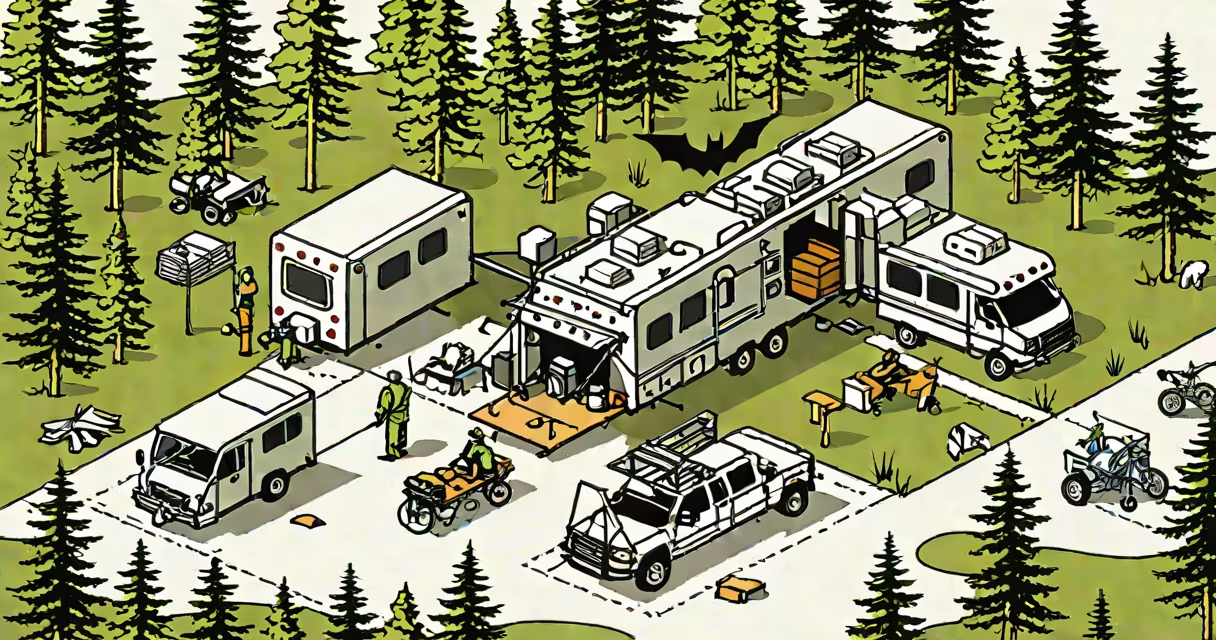
"Bat bring a trailer" refers to the act of packing and transporting essential supplies in a trailer for outdoor activities such as camping, fishing, or road trips. It's a practical way to carry gear safely and efficiently, especially when traveling long distances or to remote locations.
Trailer hauling isn't limited to recreational vehicles. People use trailers to transport tools, equipment, or even livestock. When people say "bat bring a trailer," they're often referring to preparing a trailer with the right mix of gear, food, and supplies tailored to the destination and duration of the trip.
The term combines informal speech ("bat" as slang for "bring") with a clear logistical action. It's common in regional dialects, particularly in Southern U.S. and rural communities where trailer use is widespread. The phrase implies readiness, organization, and awareness of what's needed beyond basic clothing and personal items.
How Trailer Packing Works
Packing a trailer involves organizing gear based on function, weight distribution, and accessibility. You don't just throw everything in-items are grouped by purpose and placed strategically to prevent shifting during transit.
For example, heavy items like coolers, batteries, or fuel containers go toward the front and center. Lighter, bulky items such as sleeping bags or tents are stacked above or behind heavier loads. This balance prevents swaying and reduces wear on the towing vehicle.
Always secure loose items with straps or bungee cords. A 2023 study by the National Highway Traffic Safety Administration found that 14% of trailer-related accidents were caused by improperly secured cargo. Even a small item moving during a turn can cause a rollover.
Core Components of a Trailered Setup
A well-prepared trailer includes both structural elements and functional gear. The trailer itself must meet local regulations for size, lighting, and braking systems. In most U.S. states, trailers over 3,000 pounds require electric brakes.
Here's what to include:
- Power: A 12V battery, solar panel, or generator for lights and refrigeration.
- Cooling: A 12V or 110V refrigerator, insulated cooler, and ice packs.
- Shelter: A pop-up tent, tarp, or foldable canopy for shade and rain protection.
- Tools: Tire inflator, wrench set, jumper cables, and a multi-tool.
- Food & Water: Non-perishable meals, water jugs (minimum 1 gallon per person per day), and a hand pump filter.
These items ensure safety and comfort. For example, during a weekend trip to Big Bend National Park, Texas, a group of four campers brought a 16-foot enclosed trailer with a 12V fridge, a 500-watt solar panel, and a 10-gallon water tank. They cooked meals using a propane stove and stayed warm at night with a portable heater.
Common Mistakes and Misconceptions
Many assume that "bat bring a trailer" means just tossing in a few bags and a tent. That leads to overcrowding, poor weight balance, and damage to gear. A trailer isn't a garage-it's a mobile storage unit with limits.
Another mistake is ignoring weather conditions. In Arizona, temperatures can exceed 110°F (43°C) in summer. Without proper ventilation, a trailer left in direct sun can reach 150°F inside. One traveler reported losing a bag of dry food to heat damage after leaving it unshaded for six hours.
Some confuse "bat bring a trailer" with "just bring your car." But a trailer adds capacity. A standard SUV holds about 20 cubic feet of space. A 16-foot enclosed trailer offers roughly 1,200 cubic feet-enough for a full kitchen setup, two people's clothing, and extra tools.
Real-World Example: The Weekend Fishing Trip
Consider a family of four planning a three-day fishing trip to Lake Tahoe. They use a 12-foot utility trailer. Here's their packed load:
| Item | Quantity | Weight (lbs) | Notes |
|---|---|---|---|
| Fishing rods & reels | 4 | 20 | Stored in padded cases |
| Propane grill | 1 | 35 | Mounted on rear rack |
| 12V fridge | 1 | 50 | Plugged into trailer battery |
| Two-person tent | 1 | 15 | Stored under seat |
| Water jugs (5 gal) | 2 | 80 | Front compartment |
| First aid kit | 1 | 3 | Always kept accessible |
They loaded the trailer in this order: water jugs first, then the fridge, followed by the tent and gear. The grill went on the back rack. All items were tied down. The total weight was 203 lbs-well under the trailer's 2,500-lb capacity.
On the drive, they checked tire pressure twice. At night, they ran the fridge off a solar charger. The trip ran smoothly because they planned for weight, access, and environmental risks.
What's Often Confused with "bat bring a trailer"
People sometimes think "bat bring a trailer" means simply renting a trailer and filling it with random items. But effective trailer use requires intent. It's not a storage solution-it's a mobility tool.
Another confusion: assuming all trailers are the same. There are five main types:
- Enclosed trailers offer weather protection and security.
- Open flatbeds suit large or awkward items like ATVs.
- Car haulers carry vehicles with ramps and tie-downs.
- Utility trailers handle tools, lawn equipment, or building materials.
- Gooseneck trailers provide better stability for heavy loads but require a special hitch.
Using the wrong trailer type leads to inefficiency. A flatbed won't protect electronics from rain. An enclosed trailer is too heavy for light-duty tasks. Matching the trailer to the load is critical.
I once saw a friend try to tow a 2,000-pound kayak on a 1,000-pound open trailer. The axle bent on the second hill. He learned the hard way that trailer capacity isn't just about size-it's about matching the load to the vehicle's specs.
Final Checklist Before You Go
Before hitting the road, verify:
- Trailer registration and insurance are current.
- Brakes, lights, and reflectors are working.
- Weight is evenly distributed and under the limit.
- Emergency supplies (fire extinguisher, spare tire, flashlight) are on hand.
- Weather forecast is checked for the route and destination.
These steps reduce risk and increase enjoyment. A properly packed trailer turns a stressful process into a relaxed adventure.
"Bat bring a trailer" isn't just about what you pack-it's about how you prepare. a beachside retreat, a well-planned trailer keeps your gear safe and your trip smooth. Always double-check your load, follow safety guidelines, and know your trailer's limits.