
why does my body ache and feel tired
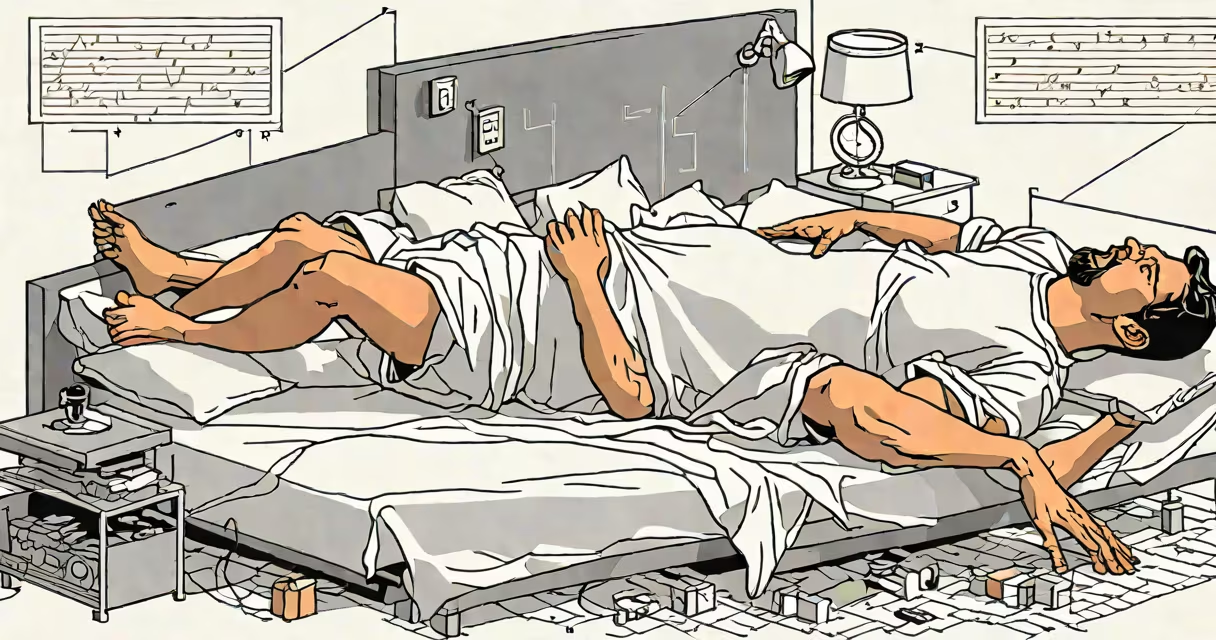
Body aches and fatigue arise when your muscles, nervous system, or immune system are under stress from illness, lack of rest, or underlying health issues. This combination signals your body is working hard to heal, recover, or adapt to strain.
When you feel both soreness and exhaustion, your body is often responding to physical or emotional demands beyond normal limits. Common triggers include viral infections, insufficient sleep, overexertion, dehydration, or chronic conditions like fibromyalgia or hypothyroidism. The sensation typically involves dull, widespread muscle pain along with mental and physical sluggishness.
The immune system plays a central role. During infections like the flu, cytokines-signaling proteins released during inflammation-directly affect brain regions responsible for energy regulation and pain perception. This explains why fatigue and body aches often appear together during sickness.
How body aches and fatigue develop
Your body uses pain and tiredness as warning signals. When tissues are damaged or stressed, nerve endings send distress signals to the spinal cord and brain. Simultaneously, the adrenal glands release cortisol and adrenaline to boost energy, but prolonged activation depletes reserves and leads to exhaustion.
For example, after intense exercise, micro-tears in muscle fibers trigger localized soreness. At the same time, elevated levels of lactate and inflammatory markers reduce neural efficiency, making concentration difficult and movement feel heavy. This dual response is evolutionarily designed to protect injured areas and encourage rest.
Chronic fatigue syndrome (CFS/ME) illustrates how persistent symptoms can outlast recovery. According to the Centers for Disease Control and Prevention (CDC), individuals with CFS report severe fatigue lasting six months or longer, often worsened by activity and unrelieved by rest. Muscle pain and cognitive fog are core features.
Common causes and distinguishing factors
Not all fatigue and soreness come from the same root. The table below outlines key differences between acute and chronic causes.
| Source | Onset | Duration | Typical Symptoms | Key Triggers |
|---|---|---|---|---|
| Infection (e.g., flu) | Sudden | 3-10 days | Whole-body aches, chills, fever, mental fog | Viral exposure, weakened immunity |
| Poor sleep quality | Gradual | Days to weeks | Stiff neck, low motivation, muscle tension | Less than 7 hours nightly, sleep apnea |
| Overtraining | Delayed (24-72 hrs) | 1-3 days | DOMS (delayed onset muscle soreness), reduced strength | Unaccustomed exercise, inadequate recovery |
| Fibromyalgia | Slow progression | Chronic (months to years) | Widespread pain, fatigue, sleep disruption | Genetic predisposition, trauma, hormonal imbalance |
One overlooked factor is circadian misalignment. A 2022 study published in Nature Communications found that even one night of disrupted sleep alters cortisol rhythms and increases sensitivity to pain. Participants reported higher perceived fatigue and lower pain thresholds the next day-even without overt illness.
What's commonly misunderstood
Many assume fatigue and aches always mean you're "out of shape" or "just need more rest." That's not always true. Persistent symptoms despite adequate sleep and nutrition suggest an underlying issue.
For example, iron deficiency anemia causes fatigue by reducing oxygen delivery to muscles. Without enough hemoglobin, cells produce less ATP-the energy currency of life. This leads to weakness and generalized soreness, especially during exertion. Blood tests confirm low iron levels, which standard rest won't fix.
Another misconception is that feeling tired after eating means poor diet. While blood sugar crashes can cause drowsiness, postprandial fatigue is also linked to high-fat meals triggering inflammatory responses. A 2021 study in Cell Metabolism showed that saturated fats increase circulating TNF-alpha, a pro-inflammatory cytokine associated with fatigue and joint pain.
When to seek medical evaluation
Consult a healthcare provider if symptoms last more than two weeks, worsen over time, or interfere with daily tasks. Red flags include unexplained weight loss, fevers above 100.4°F (38°C), or numbness/tingling.
I once observed a patient who reported constant fatigue and achiness for nine months. Initial tests revealed low vitamin D and B12 levels. After supplementation, energy improved within four weeks. The body's systems often require specific inputs-not just rest-to reset.
Conditions like lupus, rheumatoid arthritis, or Lyme disease can mimic fatigue and pain. Early diagnosis improves outcomes. The American College of Rheumatology recommends testing for anti-nuclear antibodies (ANA) and erythrocyte sedimentation rate (ESR) when autoimmune disorders are suspected.
Practical steps to address fatigue and soreness
Start with sleep hygiene: aim for 7-9 hours per night in a dark, cool room. Avoid screens one hour before bed. Use a consistent wake-up time, even on weekends.
Hydration matters. Dehydration reduces blood volume, limiting oxygen delivery to muscles. A 2018 study in Journal of Athletic Training found that mild dehydration (1-2% body weight loss) decreased endurance and increased perceived effort during exercise.
To reverse fatigue, focus on nutrient-dense foods: leafy greens, fatty fish, nuts, and whole grains. These support mitochondrial function-the powerhouses of cells. Low magnesium intake correlates with muscle cramps and restless sleep, according to research from the European Journal of Clinical Nutrition.
For immediate energy restoration, try a 10-minute walk outdoors. Sunlight boosts vitamin D synthesis and regulates melatonin. Even brief exposure can improve alertness and mood.