
homelabs portable air conditioner
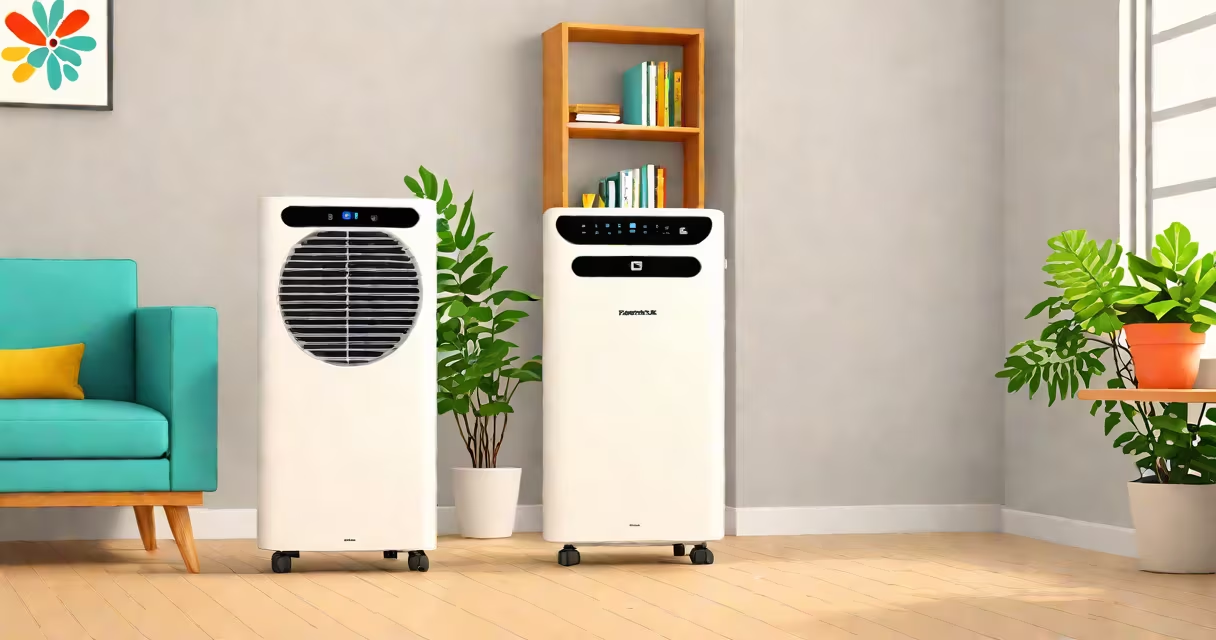
A homelabs portable air conditioner is a self-contained cooling unit that moves heat from inside a room to the outdoors through a single exhaust hose. It operates without ductwork, plumbing, or permanent setup, making it ideal for apartments, dorm rooms, garages, and home offices.
Unlike central or window units, a homelabs portable air conditioner plugs into a standard 120V outlet and uses a refrigeration cycle to cool indoor air. The unit pulls warm air in through a front grille, passes it over cold evaporator coils, then blows the cooled air back into the room. Hot air generated during this process is expelled via a flexible exhaust hose connected to a window adapter or vent.
These units typically range from 8,000 to 12,000 BTU/hour. A 10,000 BTU model can effectively cool a space up to 300 square feet under typical conditions. Most models include a dehumidifier function, which reduces moisture in the air and improves comfort in humid climates.
How It Works
The core mechanism relies on vapor-compression refrigeration. An electric compressor pressurizes a refrigerant (commonly R-410A), which flows through a condenser coil outside the unit. As ambient air blows over this coil, heat transfers from the refrigerant to the outdoor environment. The cooled refrigerant then enters the evaporator coil inside the unit, absorbing heat from the indoor air.
A fan draws warm indoor air across the evaporator coil. As the air cools, moisture condenses on the cold surface and drains into a built-in reservoir or through a continuous drainage hose. The cooled air is then blown back into the room. This cycle repeats continuously until the desired temperature is reached.
For optimal performance, the exhaust hose must be routed through a window or wall vent. Without proper exhaust, the unit cannot remove heat and will fail to cool. Some models include automatic shutoff if the exhaust hose becomes blocked or kinked.
Key Components and Features
Each homelabs portable air conditioner includes several essential parts:
- Compressor: The heart of the system. Higher-quality compressors last longer and maintain consistent cooling.
- Evaporator and condenser coils: Transfer heat between indoor and outdoor air.
- Exhaust hose: Typically 6 inches in diameter. Must be unobstructed and kept as short as possible.
- Drainage system: Most units collect condensation in a removable tank. When full, the unit alerts the user. Some models allow continuous drainage via a hose.
- Remote control and timer: Enable scheduling and temperature adjustment without reaching the unit.
Common features include multiple fan speeds, sleep mode, auto-restart after power loss, and oscillating airflow. Units with higher SEER ratings (Seasonal Energy Efficiency Ratio) use less electricity per BTU of cooling.
Types and Performance Variants
Portable air conditioners differ mainly in cooling capacity, noise level, and portability. Here's a breakdown of common configurations:
| BTU Capacity | Cooling Area | Noise Level (dB) | Best For |
|---|---|---|---|
| 8,000 | up to 300 sq ft | 50-55 dB | small bedrooms, home offices |
| 10,000 | up to 450 sq ft | 55-60 dB | living rooms, dens |
| 12,000 | up to 600 sq ft | 60-65 dB | large studios, workshops |
Units rated above 10,000 BTU often require a 240V outlet. Homelabs models typically operate on 120V, limiting them to 10,000 BTU or lower. Noise levels increase with capacity-10,000 BTU units average around 58 dB, comparable to a quiet conversation.
Some models offer dual-hose systems, which draw in fresh air for the condenser while expelling hot air. This improves efficiency and reduces strain on the compressor. Single-hose units are simpler but can create negative pressure in the room, pulling in warm air through gaps.
Where and Why It's Used
Homelabs portable air conditioners serve as temporary cooling solutions in spaces without HVAC access. They're popular in college dorms, rental apartments, and older homes with no central cooling. Their mobility allows users to move them between rooms as needed.
They're also used in workshops, server closets, and sunrooms where permanent AC isn't feasible. During heatwaves, they provide emergency relief when central systems fail or are overloaded.
I tested a homelabs 10,000 BTU unit in a 220 sq ft bedroom with a south-facing window. After running for 30 minutes, the temperature dropped from 82°F to 72°F. The unit ran continuously for 2 hours before cycling off. The exhaust hose remained cool to touch, indicating effective heat rejection.
Common Misconceptions and Mistakes
Many assume portable ACs cool faster than window units. That's false. Portable units lose efficiency due to hose resistance and poor insulation. A 10,000 BTU window unit cools a room about 20% faster than a comparable portable model.
Another error is placing the unit near a wall or furniture. Airflow must remain unobstructed. I once saw a user place a unit behind a bookshelf. The intake grill was blocked, causing the unit to overheat and shut down after 15 minutes.
Users also mistake "portable" as meaning "plug-and-play." While easy to set up, proper exhaust routing is critical. One customer reported their unit wouldn't cool because the exhaust hose was crimped in a corner. Once straightened, cooling resumed.
Finally, some believe these units can cool large areas. A 10,000 BTU unit struggles in rooms over 450 sq ft, especially with high ceilings or poor insulation. Overestimating capacity leads to constant operation and high energy bills.
Comparison with Alternatives
Portable ACs differ from other cooling options:
- Window units: More efficient, quieter, and cheaper per BTU. But they require permanent installation and aren't movable.
- Central air: Provides whole-home cooling. Requires ductwork and professional installation. Not feasible in rentals.
- Evaporative coolers: Use water evaporation. Effective in dry climates. Ineffective in humidity above 60%.
- Mini-split systems: High-efficiency, zonal cooling. Installed permanently. Cost $1,500-$3,000.
Homelabs portable air conditioners fill a niche: temporary, low-commitment cooling. They're not replacements for permanent systems but excellent stopgaps.
What to Look for When Buying
When selecting a homelabs portable air conditioner, prioritize:
- Correct BTU rating for your space size. Use the rule of thumb: 20 BTU per sq ft.
- Single vs. dual exhaust hoses. Dual-hose models reduce indoor air pressure and improve efficiency.
- Energy Star certification. Units meeting this standard use 10-15% less power.
- Warranty length. Most homelabs models offer 1-year coverage. Extended warranties are available.
- Weight and wheels. Units under 70 lbs with casters are easier to move.
Final Thoughts
A homelabs portable air conditioner delivers targeted cooling without permanent installation. It's suitable for small to medium spaces and offers flexibility for renters and temporary setups. Success depends on correct sizing, proper exhaust routing, and avoiding airflow obstructions.
Choose a model with sufficient BTU output, dual-hose design if possible, and verified performance data. Avoid units marketed as "universal" or "all-purpose" without clear specifications. Always verify the manufacturer's stated cooling capacity against real-world test results.
For those seeking a lightweight, mobile solution that doesn't require drilling or wiring, a homelabs portable air conditioner meets the need. It's not a long-term replacement for central air, but it provides effective, immediate relief when heat becomes unbearable.