
What BMI Indicates Obesity
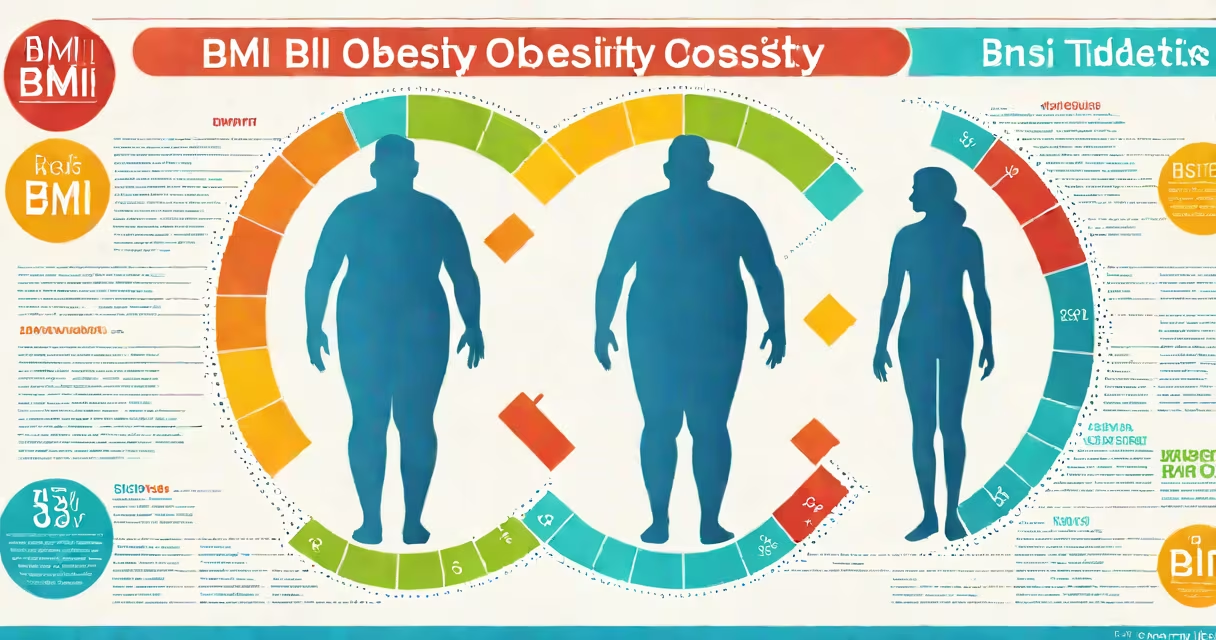
A BMI of 30 or higher indicates obesity, a clinical classification linked to elevated risks for heart disease, type 2 diabetes, and certain cancers. This threshold is standardized by the World Health Organization and used worldwide to assess weight-related health risks.
BMI calculates body fat based on height and weight. It's derived by dividing weight in kilograms by the square of height in meters. A score of 30 or above falls within the obesity range, signaling that excess body fat may impair metabolic function and strain internal organs. The WHO defines this level as a major public health concern due to its association with chronic illness and reduced life expectancy.
Despite its widespread use, BMI doesn't measure body fat directly. It's a proxy. For example, a muscular athlete may have a high BMI but low body fat percentage. Still, population-level data consistently shows that individuals with a BMI ≥30 face higher rates of comorbidities. A 2020 study published in The Lancet found that people with obesity had a 60% greater risk of developing cardiovascular disease compared to those with normal BMI.
How BMI Classifies Weight Status
BMI is divided into standard categories based on international guidelines. These ranges help clinicians and researchers quickly assess risk levels across populations.
| BMI Range | Classification | Health Implications |
|---|---|---|
| < 18.5 | Underweight | Increased risk of malnutrition and osteoporosis |
| 18.5-24.9 | Normal weight | Lowest risk for weight-related diseases |
| 25.0-29.9 | Overweight | Higher risk of insulin resistance and hypertension |
| ≥30.0 | Obesity | Elevated risk for metabolic syndrome, sleep apnea, joint degeneration |
These categories are not arbitrary. They're based on decades of epidemiological research. The National Institutes of Health (NIH) uses them to guide treatment decisions, including referrals for behavioral therapy or pharmacological interventions when BMI exceeds 30.
Obesity is further subdivided into classes. Class I (BMI 30-34.9) carries moderate risk. Class II (35-39.9) increases the likelihood of needing medical intervention. Class III, also known as severe or morbid obesity (BMI ≥40), is associated with a 50% higher mortality rate over 10 years, according to a 2018 analysis in JAMA Internal Medicine.
Why BMI Matters in Clinical Practice
Clinicians use BMI as a screening tool because it's quick, inexpensive, and scalable. A single measurement during a routine check-up can flag patients who may benefit from early intervention. For example, a 45-year-old woman weighing 95 kg and standing 1.65 m tall has a BMI of 35. This places her in the Class II obesity category, prompting her doctor to recommend lifestyle changes and possibly order blood tests for glucose and lipid levels.
However, BMI has limitations. It doesn't distinguish between fat mass and lean mass. A professional football player with 25% body fat might have a BMI of 32-classified as obese-but their visceral fat is likely minimal. Conversely, someone with a normal BMI can still carry dangerous abdominal fat, a condition known as "normal-weight obesity."
Despite these flaws, BMI remains a valid predictor of outcomes when used correctly. A 2021 meta-analysis in Obesity Reviews confirmed that BMI correlates strongly with all-cause mortality across diverse ethnic groups, even after adjusting for smoking, alcohol use, and physical activity.
Common Misconceptions About BMI and Obesity
Many assume BMI is a perfect measure of health. It is not. A BMI of 30 does not automatically mean someone is unhealthy. Some individuals with high BMI maintain excellent cardiovascular fitness and metabolic markers. Others with normal BMI have high visceral fat and prediabetes.
Another misconception is that BMI determines personal worth or success. That's false. BMI is a population-level statistic, not a judgment. I once observed a patient with a BMI of 31 who was physically active, ate whole foods, and had optimal blood pressure. His doctor didn't dismiss his health status-instead, they focused on sustainable habits rather than weight loss alone.
Some also confuse obesity with being overweight. While both fall under the umbrella of excess weight, obesity specifically refers to a BMI ≥30. Overweight (25-29.9) is a precursor state. Not everyone who is overweight develops obesity, but the progression is common. The CDC reports that nearly 42% of U.S. adults have a BMI ≥30, up from 15% in 1990.
When BMI Falls Short: Alternatives and Complements
To improve accuracy, healthcare providers often combine BMI with other metrics. Waist circumference is one such tool. A waist measurement over 102 cm (40 inches) in men or 88 cm (35 inches) in women indicates central adiposity, which is more predictive of insulin resistance than BMI alone.
Body composition analyzers using bioelectrical impedance or DEXA scans offer precise fat mass measurements. These tools are used in research and specialized clinics but aren't practical for routine screening due to cost and access.
For a complete picture, doctors consider family history, blood work, and lifestyle factors. A patient with a BMI of 30 but no hypertension, normal cholesterol, and regular exercise may not require immediate treatment. Another with a BMI of 28 and elevated triglycerides might need earlier intervention.
Still, BMI serves as a critical first step. It identifies individuals who may benefit from further evaluation. In primary care settings, it's the most efficient way to triage patients at risk for preventable conditions.
Understanding what BMI indicates obesity requires recognizing both its strengths and limits. A score of 30 or higher signals a significant health concern, but it's not the final word. Always pair it with clinical context, personal history, and additional testing when making decisions about care.