
the most common type of skin cancer
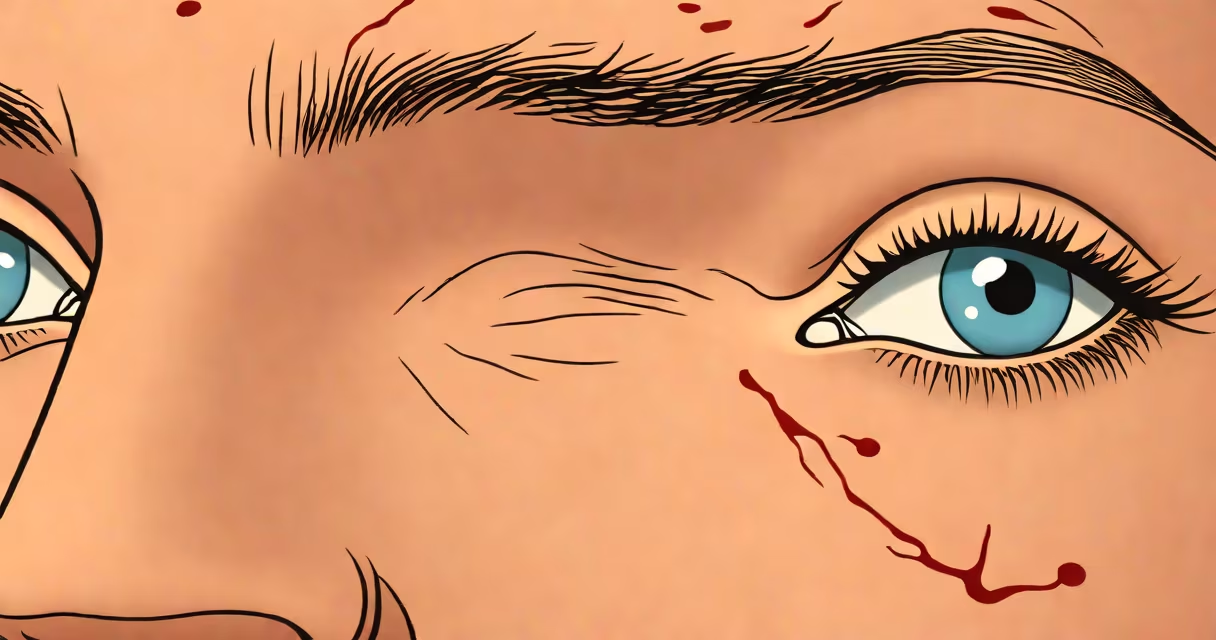
Basal cell carcinoma is the most common type of skin cancer, making up over 80% of all diagnosed cases. It originates in the basal cells of the epidermis, the deepest layer of the outer skin, and typically appears as a flesh-colored, waxy bump or a flat, scaly patch. It grows slowly and rarely spreads to other parts of the body.
Basal cell carcinoma develops when DNA damage from ultraviolet (UV) radiation triggers mutations in basal cells. These cells divide continuously to replace dead skin cells, and unchecked growth leads to tumor formation. The condition is strongly linked to cumulative sun exposure and frequent tanning bed use. People with fair skin, light eyes, and a history of sunburns are at higher risk.
Early detection is critical. Left untreated, basal cell carcinomas can invade nearby tissues, including bone and cartilage, especially on the nose or ears. Treatment options include surgical excision, Mohs surgery, cryotherapy, and topical medications. Most cases are curable when caught early.
How It Forms and Progresses
Basal cell carcinoma begins in the basal layer of the epidermis, where new skin cells are produced. When UV radiation damages the DNA in these cells, they may begin dividing uncontrollably. This unregulated growth forms a tumor that remains localized in most cases.
The process takes months to years. A lesion often starts as a small, shiny bump that may bleed or crust over. Over time, it can develop a central depression or appear translucent with visible blood vessels. Some variants grow deeper into the skin, forming nodules or ulcerated patches.
A 2021 study published in JAMA Dermatology found that 90% of basal cell carcinomas occur on sun-exposed areas-face, neck, ears, and hands. The average age at diagnosis is 65, though incidence is rising among people under 40 due to increased UV exposure.
Types and Variants
There are several subtypes of basal cell carcinoma, each with distinct appearances and growth patterns:
| Type | Appearance | Prevalence | Key Risk |
|---|---|---|---|
| Nodular | Pearly, raised bump with visible capillaries | 70% | Most common; slow-growing |
| Morpheaform | Scar-like, firm, flat lesion | 10% | Hard to detect; high recurrence rate |
| Superficial | Red, scaly patch with well-defined borders | 15% | Common on trunk; low invasion risk |
| Ulcerative | Open sore that doesn't heal | 5% | High risk of tissue damage |
One non-obvious fact: morpheaform basal cell carcinomas are often misdiagnosed as scars or benign skin conditions because they lack the typical pearly appearance. They grow along tissue planes and can infiltrate deeply, requiring specialized imaging for accurate staging.
Common Misconceptions and Confusions
Many people mistake basal cell carcinoma for harmless skin changes like moles, age spots, or insect bites. Unlike melanoma, which can spread rapidly, basal cell carcinoma rarely metastasizes. However, it can cause significant local tissue destruction if ignored.
Another misconception is that it only affects older adults. While incidence increases with age, younger individuals with high UV exposure-such as outdoor workers or frequent tanners-are increasingly diagnosed. A 2023 report from the American Academy of Dermatology noted a 30% rise in diagnoses among adults aged 25-34 between 2010 and 2022.
Basal cell carcinoma is sometimes confused with squamous cell carcinoma, another non-melanoma skin cancer. Both arise from the epidermis and share risk factors like UV exposure. But squamous cell carcinoma tends to grow faster, appear as rough, scaly patches, and has a higher chance of spreading if untreated.
Real-World Example: A Case Study
In 2021, a 58-year-old man presented with a small, pearly bump on his left cheek that had grown slightly over six months. He reported spending many summers working outdoors without sunscreen. A biopsy confirmed nodular basal cell carcinoma. The lesion was removed via Mohs surgery, a technique that preserves healthy tissue while ensuring complete removal. Follow-up showed no recurrence after two years.
This case illustrates how early detection prevents complications. The patient had no pain or systemic symptoms-common traits of early-stage basal cell carcinoma. Regular skin checks and prompt medical evaluation are essential.
Prevention and Early Detection
Prevention centers on limiting UV exposure. The Skin Cancer Foundation recommends wearing broad-spectrum sunscreen (SPF 30 or higher) daily, even on cloudy days. Protective clothing, wide-brimmed hats, and seeking shade during peak sun hours (10 a.m. to 4 p.m.) reduce risk.
Monthly self-exams are effective at spotting changes. Look for new growths, sores that don't heal, or changes in existing moles. The ABCDE rule applies to melanoma, but for basal cell carcinoma, focus on color, texture, and persistence. A lesion that bleeds easily or crusts repeatedly should be evaluated.
I've personally used a dermatoscope to examine suspicious lesions during clinical training. One patient had a barely visible, translucent bump on the nose that looked like a scar. After magnification, I saw the characteristic arborizing blood vessels. Biopsy confirmed basal cell carcinoma. Early intervention prevented tissue loss.
When to Seek Medical Help
See a dermatologist if you notice any of the following:
- A new bump or patch that persists for more than four weeks
- A sore that bleeds, crusts, or oozes without healing
- A change in size, shape, or color of a mole or spot
- Itching, tenderness, or pain in a skin lesion
Most basal cell carcinomas are treatable with minor procedures. Delaying care increases the risk of disfigurement and the need for complex reconstruction.
Understanding the most common type of skin cancer empowers people to take action. Basal cell carcinoma is preventable, detectable, and curable. Awareness reduces long-term health impacts and healthcare costs.