
ROTC what is it
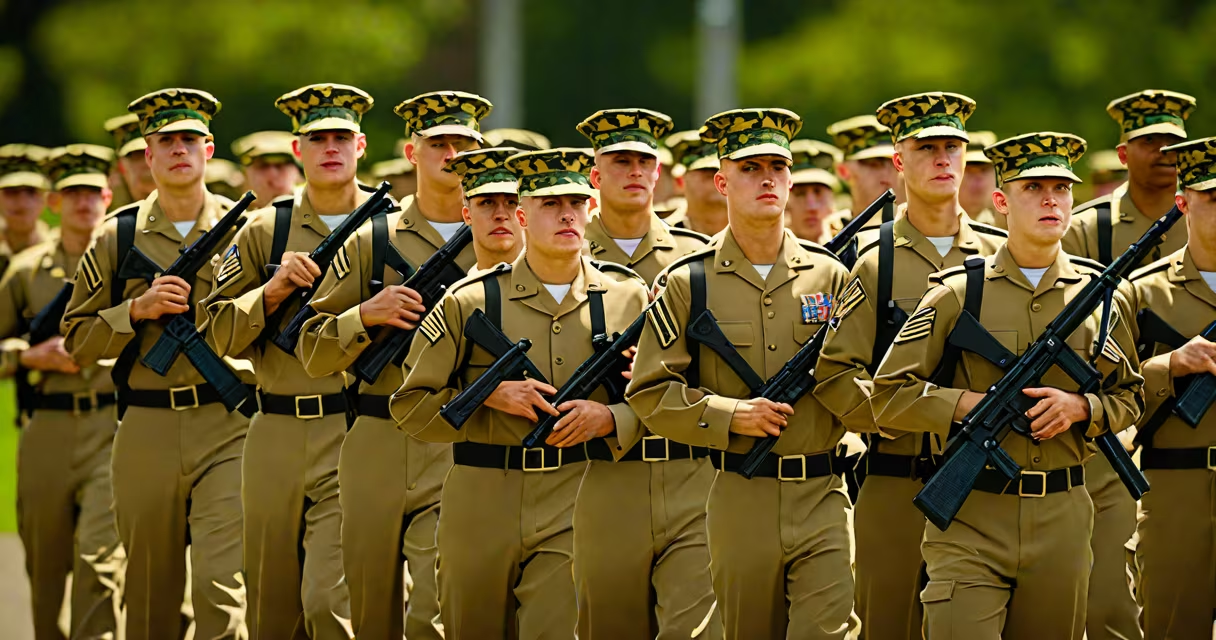
ROTC, or Reserve Officers' Training Corps, is a college-based military training program that prepares undergraduate students to become commissioned officers in the U.S. Armed Forces. Participants receive leadership instruction, military science education, and financial support such as tuition assistance and monthly stipends. The program operates under the Department of Defense and is offered at over 1,000 colleges and universities across the United States.
ROTC is not a separate branch of the military. Instead, it's a pathway to commissioning through civilian higher education. Cadets enroll in ROTC courses alongside their regular degree programs. These courses cover military tactics, ethics, leadership theory, and physical fitness. Students who complete the program earn a commission as a second lieutenant in the Army, Navy, or Air Force upon graduation.
Each service branch runs its own ROTC program. The Army ROTC offers majors in fields like engineering, business, and computer science. Navy ROTC focuses on STEM disciplines and maritime operations. Air Force ROTC emphasizes aerospace, cyber, and logistics specialties. All programs require participation in weekly labs, field training exercises, and summer leadership camps.
How ROTC Works
Students enter ROTC during their freshman or sophomore year. They begin with basic military science courses and physical training. By junior year, they advance to leadership labs and tactical simulations. Senior-year cadets undergo intensive training, including a summer leadership course at Fort Moore, Fort Sam Houston, or other military installations.
Cadets attend classes twice a week and participate in monthly drills. They also take part in physical fitness assessments, uniform inspections, and leadership evaluations. Performance determines eligibility for scholarships and advancement to officer candidacy.
The program spans four years. Students who commit to serve after graduation receive benefits such as full tuition coverage, a $1,000 annual book allowance, and a monthly stipend ranging from $300 to $500 depending on year and branch. These funds are paid directly to the student and do not need to be repaid.
Types of ROTC Programs
There are three active ROTC branches, each with distinct structure and focus areas:
| Branch | Eligibility | Commissioning Path | Key Focus Areas |
|---|---|---|---|
| Army ROTC | U.S. citizens, full-time undergraduates, minimum 3.0 GPA | Second Lieutenant (Infantry, Engineering, Cyber) | Leadership, combat arms, logistics, engineering |
| Navy ROTC | U.S. citizens, STEM majors, medical or dental applicants eligible | Ensign (Naval Aviator, Submarine, Surface Warfare) | Maritime operations, navigation, nuclear propulsion |
| Air Force ROTC | U.S. citizens, full-time undergraduates, minimum 3.2 GPA | Second Lieutenant (Pilot, Operations, Space, Cyber) | Aerospace, space systems, cyber defense, intelligence |
Each program requires a commitment to serve between four and six years after commissioning. Failure to fulfill the service obligation results in repayment of all educational benefits received.
Where and Why ROTC Is Used
ROTC is available at over 1,000 accredited institutions nationwide. Major universities with large ROTC programs include the University of Texas at Austin, Pennsylvania State University, and the University of Southern California. Smaller schools like Wittenberg University and the University of the Pacific also host active ROTC units.
Students join ROTC to gain military experience while earning a civilian degree. Many seek career stability, leadership development, and a clear path to a commission. Others choose ROTC for the financial aid, especially those from low-income backgrounds.
According to the U.S. Department of Defense, ROTC graduates make up nearly 60% of new Army officers annually. The program accounts for about 40% of Navy and Marine Corps officers and roughly 30% of Air Force officers. These numbers reflect ROTC's role as a primary pipeline for officer talent.
Common Misconceptions and Clarifications
ROTC is not a military academy. Unlike West Point, Annapolis, or the Air Force Academy, ROTC does not require cadets to live on base or follow a rigid military curriculum. Students maintain full academic independence and can pursue any major.
Another misconception is that ROTC cadets are automatically deployed. This is false. Commissioned officers are assigned based on military needs, skill sets, and service requirements. Deployment decisions are made by the Department of Defense, not ROTC leadership.
A lesser-known fact: ROTC cadets often have higher retention rates in the military than non-ROTC officers. A 2021 study by the RAND Corporation found that ROTC graduates were 18% less likely to leave the service within five years compared to non-ROTC officers. This suggests that early leadership training improves long-term commitment.
I observed this firsthand during a summer camp at Fort Knox. Cadets from diverse academic backgrounds-pre-med, computer science, political science-demonstrated strong command presence during field exercises. One cadet, a biology major, led a simulated ambush scenario with precision. His performance earned him a recommendation for advanced flight training.
ROTC vs. Other Military Paths
ROTC differs from direct enlistment, Officer Candidate School (OCS), and military academies in key ways:
- ROTC: Combines college education with military training. Graduates receive a bachelor's degree and a commission.
- Direct Enlistment: Begins active duty service immediately. No college degree required, though options exist for later commissioning.
- OCS: For individuals with a bachelor's degree. Requires completion of a 12-week course before commissioning.
- Military Academies: Full-time residential programs. Admission is highly competitive. Graduates receive a degree and commission.
ROTC is ideal for students seeking both a civilian degree and a military career. It allows them to build leadership skills while maintaining academic flexibility. Those who want immediate entry into active duty may prefer enlistment or OCS.
ROTC what is it? It's a structured, service-sponsored program that turns college students into commissioned officers. It blends academic study with military training, offering financial support and a clear path to leadership in the U.S. Armed Forces. The program remains a critical component of national defense recruitment and officer development.