
How to Plant Ginger
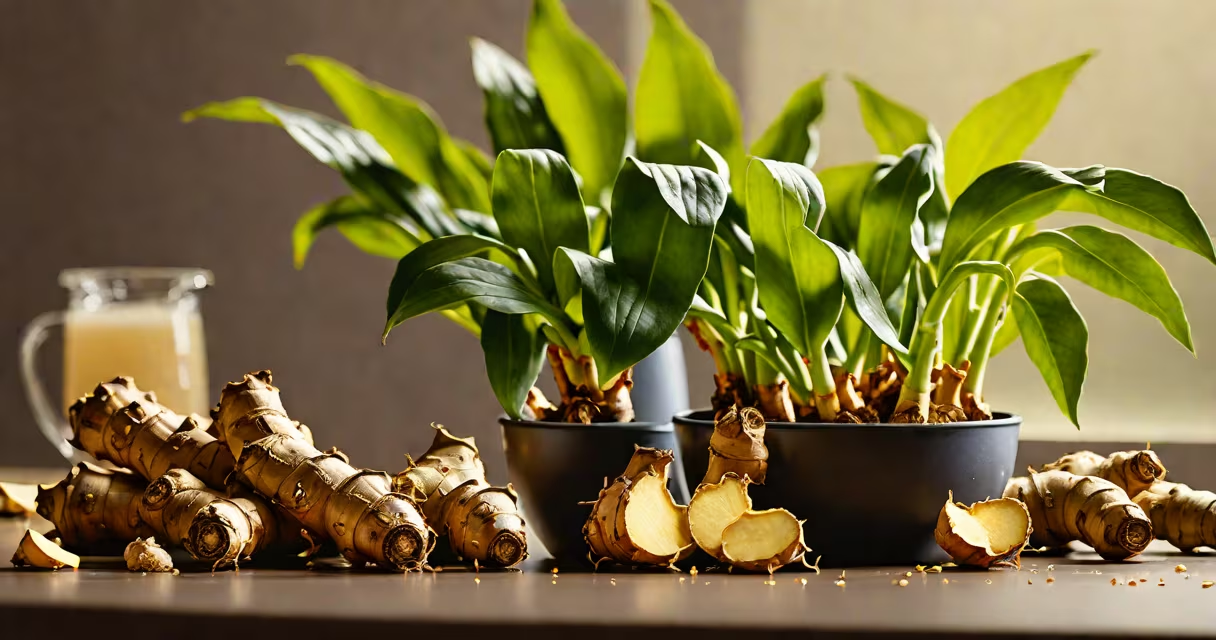
Planting ginger begins with selecting a healthy rhizome segment containing at least one eye, placing it in well-draining soil with consistent moisture and indirect light. The process takes 8-12 weeks to produce harvestable roots.
Ginger (Zingiber officinale) is a tropical perennial grown for its aromatic underground stem, or rhizome. Unlike seeds, ginger is propagated vegetatively-using pieces of the root. This method preserves flavor and growth traits. A single rhizome piece can yield multiple new plants under proper conditions.
Successful ginger cultivation requires warm temperatures (65-85°F), high humidity, and protection from direct sun. Indoor growers use containers with drainage holes and a mix of peat, perlite, and compost. Outdoor gardeners in USDA zones 9-11 plant in spring after frost risk passes. Soil pH should remain between 5.5 and 6.5.
What You Need to Start
Use a 4-inch-wide rhizome segment with visible buds-called "eyes"-on the surface. Eyes are small, raised nodes resembling dormant buds. They develop into shoots when conditions are right. Avoid rhizomes with soft spots or mold, which indicate rot.
Fill a container with 6 inches of loose, well-aerated soil. Use a mix of 2 parts potting soil, 1 part perlite, and 1 part coconut coir. This blend retains moisture without waterlogging. Place the rhizome flat-side down, eyes facing up, then cover with 1 inch of soil.
Water thoroughly until runoff appears. Maintain soil moisture at 60-70% capacity-damp but not soggy. Use a moisture meter or finger test: insert your finger 2 inches deep. If soil feels dry, water. If wet, wait 2 days.
Where and When to Plant
Outdoor planting occurs in late spring after the last frost. In USDA zones 9-11, plant in partial shade under trees or in a garden bed with filtered light. Direct sun burns leaves and reduces rhizome size.
Indoor growers use south-facing windowsills or grow lights. Position lights 6 inches above the soil and run them 14 hours daily. Temperatures below 60°F slow growth. Keep away from drafts and heating vents.
Timing matters. Plant in March or April for outdoor gardens in temperate climates. For indoor setups, start anytime year-round. Harvest occurs 8-12 months later when stems die back and leaves turn yellow.
| Location Type | Best Time to Plant | Light Requirement | Soil Depth |
|---|---|---|---|
| Indoor container | Any time | 6-8 hours indirect light | 6-8 inches |
| Outdoor garden (zones 9-11) | April-May | Partial shade (3-4 hours direct sun) | 4-6 inches |
| Greenhouse | March-April | Full morning sun, afternoon shade | 6 inches |
Common Mistakes and Fixes
Overwatering causes root rot. Symptoms include yellowing leaves, mushy rhizomes, and foul odor. Stop watering. Remove affected tissue. Repot in fresh, dry medium. Reduce frequency to once every 5-7 days.
Underwatering leads to stunted growth and brittle stems. Check soil weekly. If dry beyond 2 inches, water deeply. Use room-temperature water to avoid shocking roots.
A frequent error is planting too shallow. Rhizomes buried less than 1 inch fail to develop properly. Shallow planting exposes roots to drying air and temperature swings. Always cover with 1 inch of soil.
Harvesting and Storage
Wait until stems die back completely. This signals mature rhizomes. Dig carefully with a trowel. Pull gently-do not yank. Separate new rhizomes from the parent.
Wash roots under cool water. Trim off excess fibers. Dry in a shaded area for 24 hours. Store in a paper bag in the refrigerator crisper drawer for up to 3 weeks. For longer storage, freeze peeled and sliced pieces in airtight containers.
One 4-inch rhizome can produce 1-2 pounds of usable ginger after 10 months. Commercial growers average 1.5-2 lbs per square foot annually. Home gardeners typically harvest 0.5-1 lb per plant.
What People Confuse About Ginger
Ginger is often mistaken for turmeric. Both are rhizomes from the Zingiberaceae family, but they differ in color, flavor, and use. Turmeric has a deeper orange flesh and earthy, bitter taste. Ginger is pale yellow, spicy, and slightly sweet. They are not interchangeable in cooking.
Another misconception: ginger grows from seeds. It does not. All commercial and home-grown ginger uses rhizome cuttings. Seeds exist but are rarely used due to low germination rates and inconsistent results.
Some assume ginger must be planted in rich, fertile soil. In reality, it thrives in moderate fertility. Over-fertilizing with nitrogen causes excessive leaf growth at the expense of rhizome development. Use balanced fertilizer (10-10-10) once monthly during active growth.
I've grown ginger in a 12-inch pot on my kitchen windowsill since 2021. Started with a grocery-store rhizome, cut into three pieces. After 11 months, harvested 1.2 pounds. The plant survived winter indoors, regrew in spring. This shows home-grown ginger is viable with minimal setup.
Understanding how to plant ginger correctly ensures reliable harvests. Focus on rhizome quality, consistent moisture, and indirect light. Avoid common errors like overwatering or shallow planting. With patience, you can grow fresh ginger year-round indoors or outdoors.