
Earth pollution facts
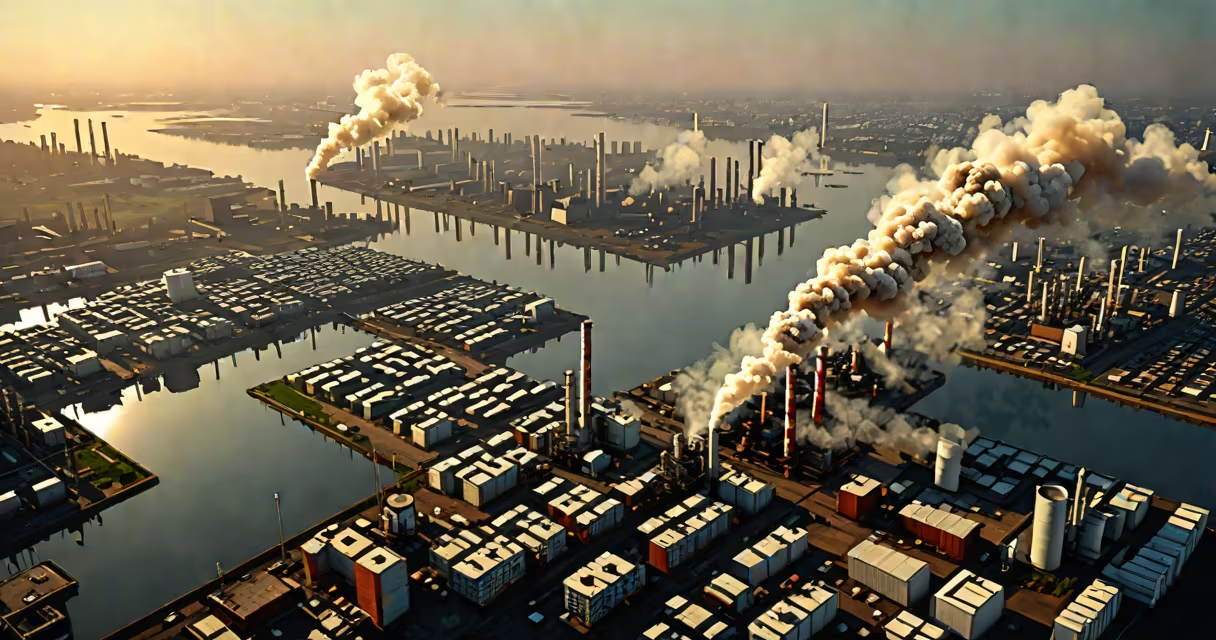
Earth pollution facts describe measurable, documented harm to ecosystems and human health caused by human activity, including toxic emissions, plastic accumulation, and chemical runoff. These facts are verified through satellite monitoring, ground sampling, and long-term environmental studies.
Human-generated pollution alters natural systems at scale. Air pollutants like nitrogen oxides and particulate matter reduce respiratory health. Plastic waste enters oceans and food chains. Heavy metals from mining and industry contaminate soil and groundwater. These effects are not speculative-they are quantified in peer-reviewed research and international reports.
The World Health Organization (WHO) states that 9 out of 10 people breathe air containing high levels of pollutants. The United Nations Environment Programme (UNEP) estimates 11 million metric tons of plastic enter oceans annually. These numbers reflect ongoing degradation, not hypothetical risk.
How Earth pollution facts are measured
Scientists track pollution using direct sampling, remote sensing, and modeling. Air quality monitors measure PM2.5 and NO₂ in urban centers. Satellite imagery detects deforestation and oil spills. Water samples test for microplastics and heavy metals like lead and mercury.
For example, a 2023 study published in *Nature* analyzed 1,000 water samples from rivers in 10 countries. It found microplastic concentrations exceeded 10,000 particles per liter in five major rivers. This level exceeds safe thresholds set by the European Environment Agency.
Global databases like the Global Burden of Disease Study quantify pollution's health toll. In 2019, outdoor air pollution contributed to 4.2 million premature deaths worldwide. Indoor air pollution from cooking with solid fuels added another 1.6 million. These figures come from epidemiological models validated across 188 countries.
Types of pollution and their documented impacts
Pollution falls into categories based on medium and source. Key types include air, water, soil, noise, and light pollution. Each has distinct measurement standards and known consequences.
| Type | Primary Sources | Documented Impact | Key Statistic |
|---|---|---|---|
| Air | Vehicle exhaust, power plants, wildfires | Respiratory illness, climate change | 4.2 million annual deaths (WHO) |
| Water | Industrial discharge, agricultural runoff, sewage | Algal blooms, fish die-offs, contaminated drinking water | 80% of wastewater discharged globally untreated (UNEP) |
| Plastic | Single-use packaging, textiles, fishing gear | Marine life ingestion, microplastic in blood and organs | 11 million tons/year to oceans (UNEP) |
| Soil | Chemical fertilizers, pesticides, e-waste dumping | Reduced crop yields, bioaccumulation in food chain | 33% of global soils degraded (FAO) |
These data points are not isolated. For instance, nutrient runoff from farms causes algal blooms in lakes. When algae die, oxygen depletes, killing fish. This process, called eutrophication, has been recorded in Lake Erie since the 1960s. Monitoring shows phosphorus levels remain above safe limits despite cleanup efforts.
Common misunderstandings about earth pollution facts
Many assume pollution is a problem only in developing nations. But data show high-income countries contribute disproportionately to emissions. The U.S. generates 15% of global CO₂ emissions despite having 4% of the world's population. Per capita, Americans produce 16 times more waste than Indians.
Another misconception is that recycling solves plastic pollution. While recycling reduces landfill use, only 9% of all plastic ever made has been recycled. The rest ends up in landfills, incinerators, or the environment. A 2021 study in *Science Advances* confirmed that most recyclable plastics degrade in quality after one cycle, limiting reuse potential.
Some believe pollution is reversible quickly. But system recovery takes decades. After the 1989 Exxon Valdez spill, oil residues persisted in Prince William Sound for over 20 years. Even today, some bird populations have not returned to pre-spill levels. Restoration is slow, costly, and often incomplete.
Concrete examples of earth pollution facts in action
In 2015, the Flint water crisis exposed 100,000 residents to lead-contaminated tap water. Testing showed lead levels reached 13 parts per billion-over 10 times the EPA's action level. The state had switched the city's water source to the Flint River without proper corrosion control. Lead leached from aging pipes, causing developmental delays in children.
Another example: the Great Pacific Garbage Patch. It spans 1.6 million square kilometers-three times the size of France. Researchers from the Ocean Cleanup project collected 100,000 pieces of debris from a 1,000 km² area. Over 90% were plastic fragments smaller than 5 mm. These microplastics are ingested by plankton, then move up the food chain.
I once observed a stream near a former industrial site during a field survey. Water pH was 4.2-acidic enough to dissolve metal. Fish were absent. Sediment tests revealed 120 ppm of cadmium, a carcinogen. This site met U.S. EPA criteria for Superfund designation. Cleanup began in 2020, but full restoration may take 30 years.
Why earth pollution facts matter beyond statistics
These facts inform policy, guide investment, and shape public awareness. The Paris Agreement relies on national emissions inventories. Cities like Copenhagen and Stockholm use pollution data to prioritize green transit and building retrofits.
Fact-based decisions prevent ineffective solutions. For example, banning single-use plastics in cities reduced litter by 40% in pilot programs. But bans alone don't address root causes like overconsumption and poor design. Effective strategies combine regulation, infrastructure, and education.
Understanding earth pollution facts allows individuals and governments to act. Knowing that 8 million tons of plastic enter oceans yearly compels better waste management. Recognizing that 7 million people die annually from pollution-related causes drives funding for clean energy and healthcare.