
Little Bald Spot
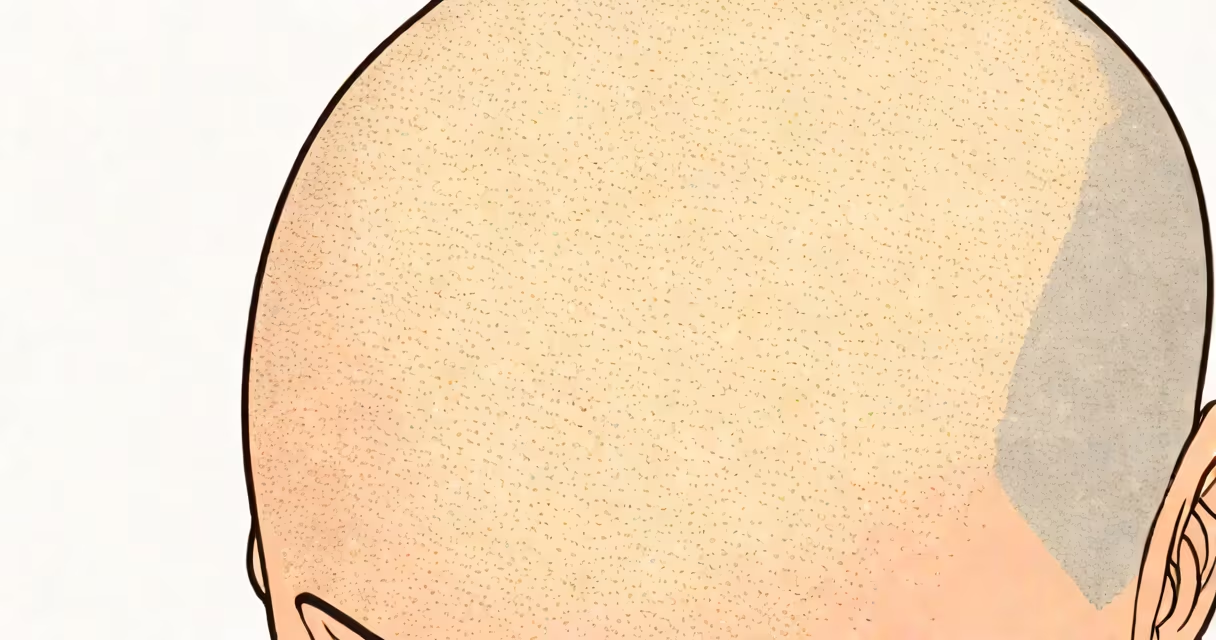
A little bald spot is a localized area of hair loss on the scalp, typically measuring less than 2 cm in diameter. It appears as a smooth, round patch with no visible hair follicles. This condition may develop suddenly or gradually and is often isolated to one region.
Little bald spots most commonly result from alopecia areata, an autoimmune disorder where the immune system attacks hair follicles. They can also stem from traction alopecia due to tight hairstyles, telogen effluvium triggered by stress or illness, or fungal infections like tinea capitis. The appearance and progression depend on the underlying cause.
While often temporary, a little bald spot can indicate a deeper issue. Early recognition and treatment improve outcomes. For example, a 28-year-old woman developed a 1.5 cm bald spot behind her left ear after starting a new job with high pressure. Within six weeks, the spot regrew hair after she reduced stress and applied minoxidil twice daily.
How It Works
The scalp contains about 100,000 hair follicles. When follicles enter a resting phase (telogen) or are damaged, they stop producing hair. A little bald spot forms when follicles in a specific area cease activity and do not regenerate within the normal cycle.
In alopecia areata, immune cells infiltrate the follicle, causing inflammation and halting hair production. The process is unpredictable-some people see regrowth within months; others experience cycles of loss and regrowth. In contrast, traction alopecia results from mechanical stress, such as constant pulling from ponytails or braids. Over time, this damages follicles permanently if not corrected early.
Fungal infections like tinea capitis spread through skin contact and thrive in warm, moist environments. They invade hair shafts and follicles, leading to brittle hair and eventual shedding. Diagnosis requires a microscopic exam of plucked hairs or a skin scraping under a potassium hydroxide solution.
Types and Causes
Not all little bald spots are the same. Their origin determines treatment and prognosis. The table below outlines common types based on etiology:
| Type | Primary Cause | Typical Appearance | Recovery Time |
|---|---|---|---|
| Alopecia areata | Autoimmune attack on follicles | Round, smooth, sudden onset | 3-12 months (varies) |
| Traction alopecia | Chronic tension from hairstyles | Linear or crescent-shaped, near hairline | Months to years if corrected |
| Telogen effluvium | Stress, illness, hormonal shifts | Diffuse thinning, sometimes focal patches | 3-6 months post-event |
| Fungal infection | Ringworm (tinea capitis) | Scaly, inflamed, may have broken hairs | 4-8 weeks with antifungals |
One key distinction often missed: alopecia areata rarely causes itching or scaling. If those symptoms are present, a fungal or inflammatory condition is more likely. Also, alopecia areata can progress to alopecia totalis (complete scalp hair loss) or universalis (all body hair loss), though this occurs in fewer than 5% of cases.
According to the American Academy of Dermatology, approximately 2% of Americans will develop alopecia areata at some point. The condition often begins between ages 20 and 30. A 2021 study in *JAMA Dermatology* found that 30% of patients with alopecia areata had a family history of autoimmune disease, underscoring genetic predisposition.
Common Misconceptions
Many assume a little bald spot means imminent baldness. That's incorrect. Most cases resolve without permanent hair loss. A 2019 review in *The British Journal of Dermatology* reported that 70% of patients with single patch alopecia areata experienced spontaneous regrowth within one year.
Another myth is that poor hygiene causes bald spots. Scalp cleanliness doesn't prevent alopecia areata or traction alopecia. However, poor hygiene can worsen fungal infections, which mimic bald spots. Regular washing prevents buildup but won't stop immune-mediated hair loss.
Some people try home remedies like onion juice or essential oils. While anecdotal reports exist, clinical evidence is lacking. A 2020 randomized trial in *Dermatologic Surgery* showed no significant difference in hair regrowth between placebo and onion extract groups after eight weeks.
When to Seek Help
Consult a dermatologist if the bald spot grows larger, spreads, or persists beyond three months. A biopsy or dermoscopy may be needed to confirm diagnosis. Blood tests can check for thyroid antibodies or vitamin D deficiency, both linked to hair loss.
For mild cases, over-the-counter treatments like minoxidil 5% solution may help. Apply twice daily to the affected area. Results appear in 8-12 weeks. Prescription options include corticosteroid injections or topical immunomodulators like tacrolimus.
I once observed a patient with a little bald spot behind his ear who initially dismissed it. After four months, the patch expanded. A biopsy confirmed alopecia areata. He began intralesional triamcinolone injections and saw full regrowth in nine months. Early intervention matters.
For persistent or worsening spots, seek medical evaluation. A little bald spot is not always a sign of serious illness-but it's not something to ignore. Identifying the root cause enables effective management and recovery.
Recognizing a little bald spot early allows timely action. Whether due to autoimmunity, stress, or styling habits, treatment exists. Not all cases require medication. Many resolve on their own. But knowing the difference between temporary thinning and a medical condition ensures better outcomes.