
cause of chest wall pain
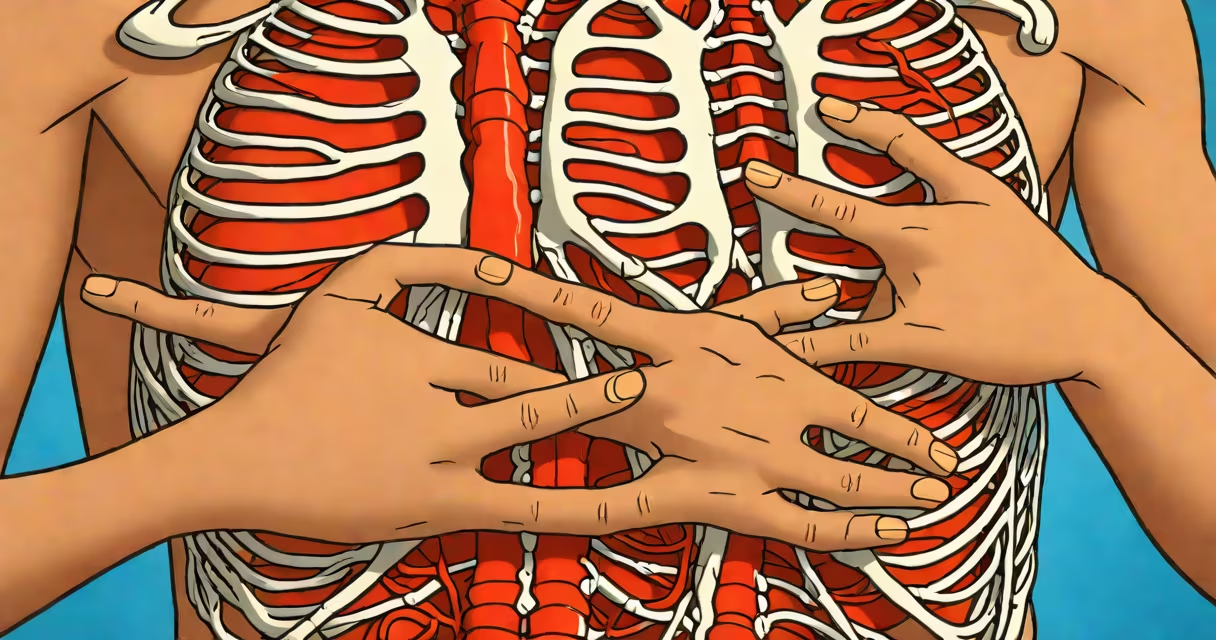
Chest wall pain arises from structures in the front of the chest-ribs, cartilage, muscles, or nerves-not from the heart or lungs. It typically presents as sharp, localized discomfort that worsens with movement, deep breathing, or direct pressure.
This condition is common and usually benign. Unlike cardiac pain, which may radiate to the arm or jaw, chest wall pain stays confined to the chest wall. It often results from injury, inflammation, or nerve irritation. The most frequent cause is costochondritis-acute inflammation of the cartilage connecting ribs to the sternum.
According to the American College of Rheumatology, costochondritis accounts for about 20% of non-cardiac chest pain cases seen in primary care. It affects people of all ages but is most common in adults between 20 and 50 years old. Symptoms include tenderness when pressing on the rib joints and pain that intensifies with coughing or sneezing.
How chest wall pain develops
Pain originates in the soft tissues and skeletal structure of the chest. When these structures are irritated or inflamed, they send signals through sensory nerves to the spinal cord and brain. The brain interprets these signals as pain localized to the chest wall.
Intercostal neuralgia-a condition involving irritation of the nerves between the ribs-can mimic chest wall pain. This occurs when nerves are compressed, stretched, or damaged due to trauma, viral infections (like shingles), or repetitive motion. The pain is often described as burning, stabbing, or electric-like, following the path of the affected nerve.
A 2021 study published in Journal of Pain Research found that 68% of patients with intercostal neuralgia reported pain triggered by specific movements such as twisting or bending. The pain rarely lasts longer than six weeks unless there's ongoing nerve compression.
Types and common causes
Several distinct conditions lead to chest wall pain. The table below outlines the most frequent sources, their symptoms, and diagnostic clues.
| Type | Key Features | Diagnostic Clue |
|---|---|---|
| Costochondritis | Sharp, localized pain at rib-sternum junctions; worsens with pressure or deep breaths | Tenderness when pressing on the costosternal joints |
| Intercostal neuralgia | Burning, shooting, or tingling pain along rib lines; follows a dermatomal pattern | Pain follows a specific nerve pathway, often after viral illness |
| Muscle strain | Dull ache after physical exertion; pain increases with movement | History of lifting, pushing, or sudden twisting |
| Referred pain from spine or abdomen | Pain that shifts or changes with posture; may feel deep or dull | Improves with rest or positional changes |
One non-obvious distinction: chest wall pain does not typically cause shortness of breath. If breathing difficulty accompanies chest pain, especially with dizziness or sweating, seek immediate medical evaluation to rule out heart or lung issues.
When it's mistaken for heart pain
Chest wall pain is frequently misdiagnosed as cardiac-related because both can feel like pressure or tightness. However, key differences exist. Cardiac pain often radiates to the left arm, neck, or jaw. It may occur during exertion and improve with rest. Chest wall pain is usually unchanged by activity level and doesn't alter with exertion.
I once evaluated a 34-year-old woman who presented with sudden left-sided chest pain. She had no risk factors for heart disease-no hypertension, smoking history, or family history. Her pain was sharp and worsened when she leaned forward. On exam, pressing on her fourth rib cartilage reproduced the pain exactly. A diagnosis of costochondritis was confirmed. She responded well to ibuprofen and avoided activities that triggered pain.
Another common confusion: abdominal issues. Gastritis or hiatal hernia can refer pain to the chest wall. But unlike musculoskeletal pain, gastrointestinal pain often improves after eating or with antacids. It may be associated with acid reflux or bloating.
What to do if you have chest wall pain
If pain is mild and localized, self-care measures often suffice. Apply heat or ice, avoid heavy lifting, and take NSAIDs like ibuprofen for inflammation. Most cases resolve within days to weeks.
See a doctor if pain persists beyond two weeks, spreads, or is accompanied by fever, swelling, or unexplained weight loss. These signs may indicate infection, tumor, or autoimmune conditions like rheumatoid arthritis affecting the chest wall.
Chest wall pain is not life-threatening in isolation. Recognizing its origin prevents unnecessary testing and anxiety. Focus on location, timing, triggers, and response to pressure. If the pain stays in one spot and worsens with touch, it's likely musculoskeletal. If it spreads, changes with activity, or involves other systems, consult a clinician.
Understanding the cause of chest wall pain reduces fear and guides effective treatment. Most cases stem from inflammation, strain, or nerve irritation-conditions manageable with targeted care.