
Why Do Both of My Ovaries Hurt
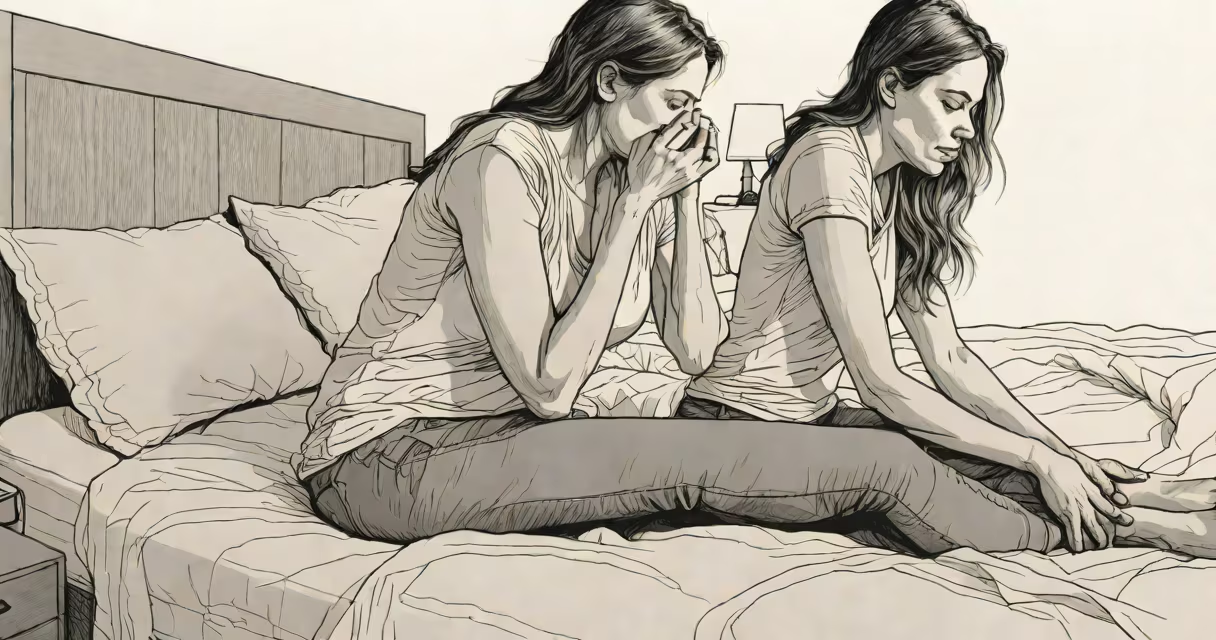
Experiencing pain in both ovaries at once typically signals a condition affecting the entire reproductive system, such as ovulation, endometriosis, or pelvic inflammatory disease. This bilateral discomfort differs from isolated pain, which may indicate a cyst or torsion.
Ovarian pain arises when tissues around the ovaries become inflamed, stretched, or irritated. The ovaries themselves don't have pain nerves, so discomfort comes from surrounding structures like ligaments, blood vessels, or the peritoneum. Pain in both sides suggests systemic or widespread triggers rather than localized issues.
According to the American College of Obstetricians and Gynecologists (ACOG), bilateral ovarian pain affects about 1 in 10 women at some point in their reproductive lives. Most cases resolve without treatment, but persistent or worsening pain requires medical evaluation to rule out serious conditions.
How Bilateral Ovarian Pain Works
Pain in both ovaries results from shared physiological processes. During ovulation, the follicle ruptures to release an egg, releasing prostaglandins and other inflammatory substances. These chemicals irritate the peritoneal lining, causing dull or sharp pain that often spreads across the lower abdomen and may radiate to the back or thighs.
Endometriosis causes similar pain. When endometrial-like tissue grows outside the uterus-on the ovaries, fallopian tubes, or pelvic lining-it bleeds during menstruation. This trapped blood causes inflammation and scarring, leading to chronic bilateral pain. A 2021 study in Human Reproduction found that 67% of women with endometriosis report bilateral pelvic pain, often worsening before and during periods.
Pelvic inflammatory disease (PID), usually caused by untreated sexually transmitted infections like chlamydia or gonorrhea, can spread from the cervix to the upper reproductive tract. PID leads to swelling and adhesions in both ovaries and tubes, producing deep, constant pain. Left untreated, PID increases infertility risk by 15%.
Common Causes and Types
Not all bilateral ovarian pain stems from reproductive issues. Some causes are functional, others pathological. Understanding the difference helps determine urgency and treatment.
| Type | Characteristics | Typical Duration | When to Seek Care |
|---|---|---|---|
| Ovulation pain (mittelschmerz) | Dull, cramping, one-sided or bilateral; lasts minutes to hours; occurs mid-cycle | Minutes to 24 hours | Recurrent episodes, severe pain, fever |
| Endometriosis | Deep, throbbing pain; worsens with periods; may cause infertility | Chronic; flares with cycle | Pain interferes with daily life; unresponsive to OTC meds |
| PID (pelvic inflammatory disease) | Constant, deep ache; often accompanied by abnormal discharge or fever | Days to weeks; may recur | Fever, unusual discharge, pain after sex |
| Ovarian cysts (bilateral) | Sharp pain if ruptured or twisted; may cause bloating | Hours to days | Sudden onset, nausea, dizziness |
A key distinction often missed: bilateral pain doesn't automatically mean both ovaries are diseased. Referred pain from the intestines, bladder, or muscles can mimic ovarian pain. For example, irritable bowel syndrome (IBS) can cause cramping that feels like ovarian pain, especially during bowel movements.
One non-obvious fact: ovulation pain rarely affects both sides simultaneously. When it does, it's often due to hormonal shifts triggering contractions in both fallopian tubes and surrounding tissues. A 2019 study in Journal of Women's Health found that only 12% of women reporting mittelschmerz experienced bilateral pain, suggesting that symmetric pain is more likely due to another underlying condition.
When It's Not Ovarian Pain
Some conditions mimic bilateral ovarian pain but originate elsewhere. Adnexal torsion-twisting of the ovary or fallopian tube-can cause sudden, severe pain. Though rare, it typically presents on one side. If pain is truly bilateral and sudden, consider referred pain from the gastrointestinal tract.
Urinary tract infections (UTIs) can cause lower abdominal pressure and burning during urination. The pain may feel like it's coming from the pelvis, especially if the bladder is inflamed. A urine test confirms infection. Without treatment, UTIs can ascend to the kidneys.
Bladder distension from overfilling can create pressure that radiates to the lower abdomen. This is common in people with interstitial cystitis, a chronic bladder condition. Pain often worsens with fluid intake and improves after voiding.
Real-World Example: Diagnosing Bilateral Pain
At a clinic in Portland, Oregon, a 28-year-old woman reported recurring bilateral ovarian pain lasting 3-4 days each month. She described it as a deep ache, worse during her period and after intercourse. Over-the-counter ibuprofen helped slightly.
Initial exams showed no tenderness on pelvic exam. Transvaginal ultrasound revealed small endometriotic implants on both ovaries and thickened peritoneum. Laparoscopy confirmed stage II endometriosis. After hormonal suppression therapy, her pain reduced by 70% within six months.
This case illustrates that bilateral pain isn't always obvious on imaging. Endometriosis often goes undiagnosed for years because symptoms overlap with normal menstrual discomfort. Early diagnosis reduces long-term complications.
What to Do Next
If you're experiencing persistent bilateral ovarian pain, track your symptoms: timing, duration, intensity, and triggers. Note whether pain changes with movement, bowel habits, or sexual activity. Bring this log to your provider.
Severe or sudden bilateral pain warrants emergency evaluation. Conditions like ruptured ovarian cysts or PID can progress rapidly. A 2020 CDC report notes that delayed treatment of PID increases hospitalization risk by 40%.
Understanding why both of my ovaries hurt begins with recognizing patterns and seeking timely care. Early intervention prevents complications and improves quality of life.