
Why Am I Sweating More
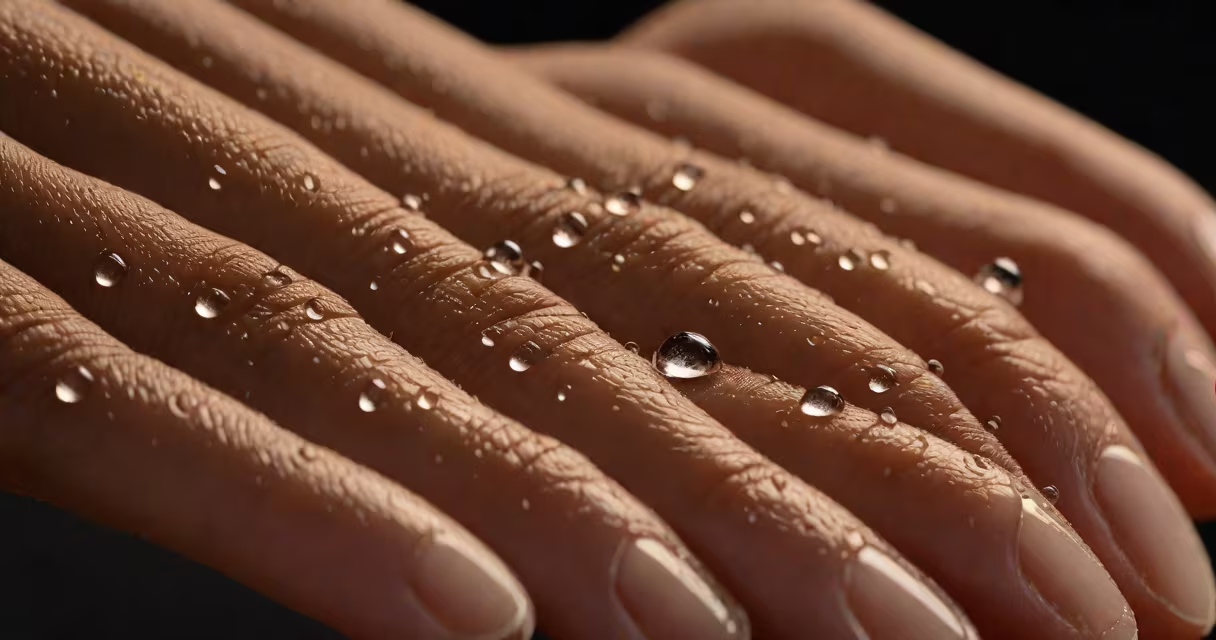
Sudden or increased sweating can result from hormonal shifts, medication side effects, underlying health issues, or environmental triggers. It's not always about heat or exercise.
Sweating is your body's natural cooling system. When internal temperature rises, sweat glands release moisture onto the skin. As it evaporates, it lowers body temperature. But when this process becomes excessive or frequent without clear cause, it may indicate a deeper issue.
The average person sweats about 0.5 to 1 liter per day through normal activity. Excessive sweating-defined as more than 3 liters daily-is rare and often linked to medical conditions. The National Institute of Neurological Disorders and Stroke notes that abnormal sweating affects around 3% of adults and can impact quality of life.
How Increased Sweating Works
Your sweat glands are controlled by the sympathetic nervous system. When triggered-by stress, fever, or certain drugs-these glands activate and release fluid composed mostly of water, salt, and trace proteins. Sweat itself is odorless; body odor arises when bacteria on the skin break down sweat components.
There are two types of sweat glands: eccrine and apocrine. Eccrine glands are distributed across the entire body and produce the watery sweat involved in thermoregulation. Apocrine glands are concentrated in areas like the armpits and groin and secrete a thicker fluid that contributes to body odor when broken down by microbes.
When sweating increases beyond what's needed for cooling, it's called hyperhidrosis. This condition affects approximately 1% to 3% of the U.S. population, according to the American Academy of Dermatology. It often begins in adolescence and can persist into adulthood.
Common Causes and Types
Excessive sweating can stem from many factors. Some are temporary; others require medical evaluation.
| Type | Trigger | Typical Onset | Associated Conditions |
|---|---|---|---|
| Primary focal hyperhidrosis | Nervous system overactivity | Teenage years or early adulthood | Often genetic; affects palms, soles, underarms |
| Secondary generalized hyperhidrosis | Underlying illness or drug side effect | Any age | Diabetes, thyroid disorders, infections, antidepressants |
| Environmental or situational | Heat, stress, spicy food, caffeine | Immediate | Normal response; resolves when trigger removed |
Primary focal hyperhidrosis is the most common form. It typically appears symmetrically-both hands, both feet-and often runs in families. A study published in *JAMA Dermatology* found that 30% of patients with primary hyperhidrosis reported a family history of the condition.
Secondary hyperhidrosis results from another health problem. For example, people with untreated hypoglycemia may sweat excessively during low blood sugar episodes. Hyperthyroidism increases metabolic rate, leading to warmth and profuse sweating. Antidepressants like sertraline and venlafaxine are known to cause sweating as a side effect in up to 20% of users.
One non-obvious fact: sweating more at night-especially soaking through pajamas-is not normal. Nocturnal hyperhidrosis often signals infection, cancer, or hormonal imbalances. The Mayo Clinic lists night sweats as a red flag symptom requiring investigation, particularly if they occur frequently and without fever or other signs of illness.
Real-Life Example: A Workday Turned Uncomfortable
I once observed a colleague who began sweating heavily during morning meetings. He wore dress shirts that stayed damp despite cool office temperatures. His palms were always slick. After weeks of discomfort, he visited a dermatologist. Diagnosis: primary focal hyperhidrosis affecting his hands and underarms.
He tried over-the-counter antiperspirants with aluminum chloride, which reduced output by about 60%. But he still needed clinical treatments. He underwent iontophoresis-using a device that delivers mild electric current through water-soaked pads-to reduce hand sweating. After six sessions, his symptoms improved enough to stop wearing gloves at work.
This case shows that even mild-seeming changes in sweat patterns can signal treatable conditions. What seemed like poor hygiene was actually a neurological disorder affecting sweat regulation.
What It's Commonly Confused With
Many assume increased sweating is simply due to anxiety or being overweight. While both can contribute, they don't explain persistent or extreme sweating. Anxiety-related sweating tends to be episodic and tied to specific stressors. Weight-related sweating occurs mainly during physical exertion and improves with fitness gains.
Another misconception: sweating more means you're detoxifying. That idea has no scientific basis. The liver and kidneys handle toxin elimination. Sweat removes minimal amounts of waste-about 0.5% of urea and sodium. The CDC confirms that sweat is not a major route for toxin excretion.
Profuse sweating during sleep-especially if it happens nightly-is not "just hot weather." It's a sign that something else is disrupting autonomic function. Night sweats are especially concerning when paired with unexplained weight loss, fevers, or fatigue.
When to Seek Help
If you notice sudden or worsening sweating that interferes with daily life-like avoiding handshakes, changing clothes multiple times a day, or avoiding social events-it's time to consult a healthcare provider.
Red flags include:
- Sweating while resting or sleeping
- Unintentional weight loss alongside sweating
- Symptoms lasting more than a month without explanation
- Swelling, pain, or redness in sweat gland areas
Doctors may run blood tests to check for thyroid dysfunction, diabetes, or infections. Imaging or nerve conduction studies may be used if neurological causes are suspected.
Treatment options depend on the root cause. For secondary hyperhidrosis, addressing the underlying disease often reduces sweating. For primary cases, treatments include prescription antiperspirants, oral medications like glycopyrrolate, Botox injections, or surgical procedures such as sympathectomy.
One small but impactful detail: many people don't realize that dehydration can paradoxically increase sweating. When fluid levels drop, the body tries harder to cool itself, sometimes triggering more sweat as a compensatory mechanism. Staying hydrated supports efficient thermoregulation.
If you're unsure whether your sweating pattern is normal, consider tracking it for a week. Note frequency, location, timing, and possible triggers. This log helps doctors make accurate diagnoses.
Understanding why you're sweating more starts with recognizing that sweat is not just a reaction to heat-it's a signal. Pay attention to patterns, locations, and accompanying symptoms. Early intervention prevents unnecessary discomfort and identifies treatable conditions before they worsen.