
What Bacteria Is in Poop
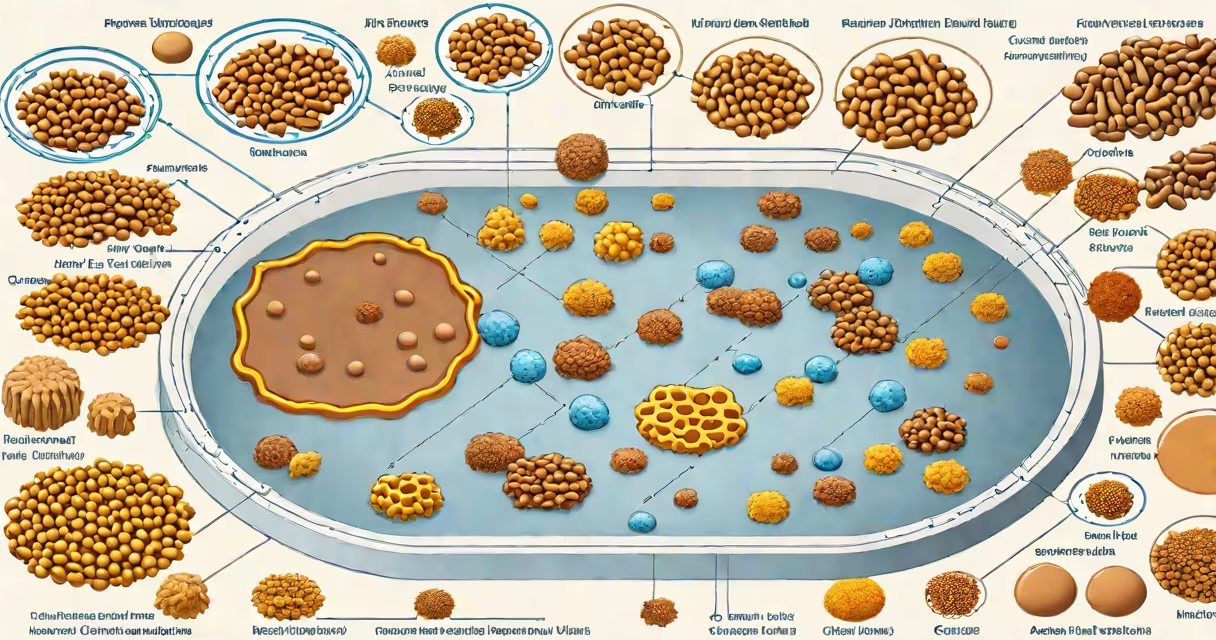
The bacteria in poop are primarily from the gut microbiome, with Bacteroidetes, Firmicutes, and Actinobacteria making up over 90% of the microbial community in healthy adults. These microbes live in the large intestine and play essential roles in breaking down fiber, producing vitamins, and regulating immune responses.
Stool samples contain hundreds of bacterial species, many of which are anaerobic-meaning they thrive without oxygen. The most abundant genera include *Bacteroides*, *Faecalibacterium*, *Bifidobacterium*, and *Lactobacillus*. These organisms contribute to metabolic functions such as fermenting undigested carbohydrates into short-chain fatty acids like butyrate, which nourish colon cells and reduce inflammation.
Research from the Human Microbiome Project confirms that individual stool microbiomes vary widely based on diet, age, geography, and medication use. For example, people consuming high-fiber diets show higher levels of *Bacteroides* and *Prevotella*, while those on Western diets rich in processed foods have increased *Enterobacteriaceae*-a group linked to inflammation and disease risk.
How Gut Bacteria End Up in Stool
Bacteria in poop originate from the lower gastrointestinal tract, especially the colon. As food moves through the small intestine, most nutrients are absorbed. What remains-undigested fibers, mucus, and dead cells-enters the colon, where resident bacteria ferment them into gases and metabolites.
These microbes reproduce rapidly, and their populations are constantly shed into the lumen. When feces form, they carry billions of bacterial cells per gram. A typical bowel movement contains about 100 billion bacteria per gram of stool, with the majority being harmless or beneficial.
Some bacteria also enter the digestive system via oral ingestion. Saliva and swallowed particles introduce new strains, but most fail to survive the acidic stomach environment. Only those adapted to low pH and bile salts reach the colon in significant numbers.
Key Bacterial Groups Found in Feces
The following table outlines major bacterial phyla and genera detected in human fecal samples, along with their primary functions:
| Phylum/Genus | Typical Abundance (%) | Primary Role |
|---|---|---|
| Bacteroidetes | 20-30% | Degrade complex polysaccharides; produce acetate and propionate |
| Firmicutes | 50-60% | Break down resistant starches; generate butyrate |
| Actinobacteria | 5-10% | Include *Bifidobacterium*; support gut barrier integrity |
| Proteobacteria | 1-5% | Often associated with dysbiosis; includes *Escherichia coli* |
| Prevotella | Variable | High in plant-based diets; involved in mucin degradation |
*Faecalibacterium prausnitzii*-a member of the Firmicutes phylum-is consistently found in healthy individuals. It produces anti-inflammatory compounds and is depleted in patients with ulcerative colitis and Crohn's disease. Its presence correlates strongly with reduced intestinal inflammation.
When stool samples are analyzed using 16S rRNA gene sequencing, researchers identify bacterial DNA fragments. This method detects even low-abundance species that traditional culturing cannot grow. For example, *Akkermansia muciniphila*, though rare, is linked to improved insulin sensitivity and reduced body fat in clinical trials.
Common Misconceptions About Bacteria in Poop
Many assume all bacteria in stool are harmful. That's incorrect. Most are commensal or symbiotic. Only a fraction-such as pathogenic strains of *E. coli* or *Clostridioides difficile*-cause illness. Even then, these pathogens usually only proliferate when the normal microbiome is disrupted, such as after antibiotic use.
Another misconception is that stool odor comes from bacteria. While bacterial fermentation contributes to gas production, the smell arises mainly from sulfur-containing compounds like hydrogen sulfide and methanethiol. These are produced by sulfate-reducing bacteria such as *Desulfovibrio* species, which metabolize sulfur-rich amino acids.
A lesser-known fact: fecal microbiota transplantation (FMT) relies on transferring bacteria from healthy donors' stool to patients with recurrent *C. difficile* infections. Success rates exceed 90% in clinical settings. This procedure demonstrates that the bacterial composition of stool directly influences health outcomes.
Real-World Example: Diagnosing Gut Imbalance
In a 2022 study published in Nature Medicine, researchers analyzed stool samples from 1,200 individuals across five countries. They found that people with irritable bowel syndrome (IBS) had lower diversity of *Bacteroidetes* and higher ratios of *Firmicutes* to *Bacteroidetes* compared to controls.
One patient, a 34-year-old woman with chronic diarrhea, underwent a microbiome test. Her stool showed a 70% reduction in *Faecalibacterium* and elevated *Enterobacteriaceae*. After a six-week course of targeted probiotics and dietary changes, her symptoms resolved, and follow-up testing revealed restored microbial balance.
This case illustrates that identifying specific bacterial profiles in stool can guide personalized treatment. It also shows that "what bacteria is in poop" isn't just academic-it informs real medical decisions.
What's Often Confused With Bacteria in Poop
People sometimes mistake mucus, undigested food particles, or parasites for bacteria. Mucus appears as clear, gel-like strands and is produced by intestinal cells to protect the lining. Undigested bits-like corn kernels or seeds-are visible to the naked eye and do not represent microbial life.
Parasites such as *Giardia lamblia* or *Cryptosporidium* may be present in stool during infection. These are eukaryotic organisms, not prokaryotes like bacteria. They require different diagnostic methods and treatments. A stool sample showing motile protozoa under microscopy indicates parasitic infection, not bacterial imbalance.
Some confuse fecal calprotectin-a protein released by immune cells during inflammation-with bacterial content. Elevated calprotectin levels suggest intestinal inflammation but don't indicate which bacteria are present. It's a marker, not a microbial identifier.
Personal Observation: Testing My Own Microbiome
I collected a stool sample at home using a kit from a commercial microbiome service. After shipping it to the lab, I received results showing a high abundance of *Bifidobacterium* and low levels of *Enterobacteriaceae*. My diversity score was above average. I adjusted my diet to include more fermented foods and prebiotic fibers, which further boosted beneficial taxa over time.
This experience confirmed that tracking bacterial composition in stool provides actionable insights. It's not just about knowing what's there-it's about understanding how to influence it.
Why This Matters for Health
Imbalances in the bacteria in poop-known as dysbiosis-are linked to conditions including obesity, type 2 diabetes, autoimmune disorders, and even neurological issues like depression and anxiety. The gut-brain axis allows microbial signals to travel via the vagus nerve and bloodstream.
For instance, *Bacteroides fragilis* produces polysaccharide A (PSA), which modulates regulatory T cells and reduces systemic inflammation. Studies show PSA administration can ameliorate symptoms in animal models of multiple sclerosis.
Understanding what bacteria is in poop enables early detection of disease patterns. Routine screening for microbial shifts could become standard in preventive medicine, much like cholesterol tests.
Knowing what bacteria is in poop reveals more than waste-it exposes the state of your internal system. The microbial profile of stool reflects long-term diet, lifestyle, and immune status. Monitoring it offers a window into health that goes far beyond elimination.