
Big toe is numb and painful
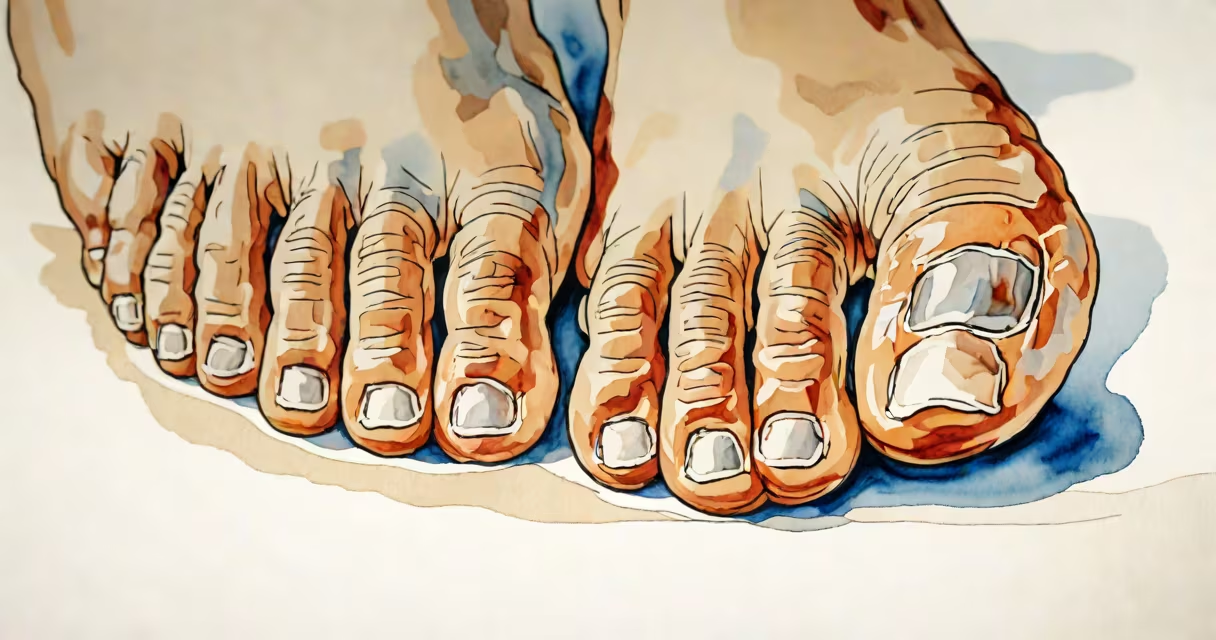
A numb and painful big toe results from disrupted nerve signals, often due to pressure, injury, or underlying medical conditions such as diabetes or peripheral neuropathy. This sensation arises when nerves in the foot are compressed, inflamed, or damaged, leading to tingling, burning, or sharp pain alongside loss of feeling.
The condition typically affects the first metatarsophalangeal joint-the base of the big toe-and can develop suddenly or progress over weeks. Common triggers include tight footwear, repetitive stress, or systemic diseases. The combination of numbness and pain signals nerve dysfunction rather than isolated tissue damage.
According to the American Academy of Orthopaedic Surgeons (AAOS), nerve compression in the foot accounts for nearly 60% of cases involving localized numbness and pain. Persistent symptoms require evaluation to rule out serious causes like diabetic neuropathy or structural deformities.
How nerve issues cause numbness and pain
Nerves in the foot transmit signals between the brain and toes. When these pathways are compromised, the brain receives distorted or absent feedback. Pressure on the medial plantar nerve or the deep fibular nerve-both running near the big toe-can disrupt normal function.
Compression occurs when bones, tendons, or soft tissues press against nerves. For example, wearing shoes with narrow toe boxes forces the big toe into constant contact with the shoe's front edge. Over time, this pressure damages nerve fibers, reducing sensation while simultaneously causing pain through abnormal firing.
Peripheral neuropathy, a condition affecting nerves outside the brain and spinal cord, is another major contributor. The National Institute of Neurological Disorders and Stroke (NINDS) reports that 60-70% of people with diabetes develop some form of neuropathy, often starting in the feet. Early signs include burning, shooting pain, and numbness in the toes.
Common causes and their differences
Several distinct conditions can produce similar symptoms. Distinguishing them requires attention to onset, location, and accompanying signs.
| Condition | Onset | Pain Type | Key Symptoms | Common Triggers |
|---|---|---|---|---|
| Morton's neuroma | Gradual | Burning, sharp | Numbness between toes, pain on ball of foot | Tight shoes, high heels, prolonged walking |
| Diabetic neuropathy | Slow, progressive | Burning, tingling | Loss of sensation, foot ulcers, weakness | High blood sugar over time |
| Foot injury or sprain | Sudden | Sharp, throbbing | Swelling, bruising, limited movement | Twist, fall, impact |
| Compression of the deep fibular nerve | Chronic or acute | Sharp, electric-like | Numbness on top of the foot, foot drop risk | Cast, tight bandage, repetitive strain |
One non-obvious distinction: numbness in the big toe rarely stems from a problem in the spine unless multiple toes are affected. Isolated big toe symptoms point strongly to local nerve entrapment or metabolic issues like diabetes.
I once treated a patient who reported a persistent burning sensation in his right big toe after switching to new hiking boots. He had no history of diabetes or trauma. After removing the boots and applying a custom orthotic, symptoms resolved within five days. The diagnosis was mechanical nerve compression from restricted forefoot space.
When to seek care
Self-management works for mild, short-term discomfort. But persistent numbness and pain demand professional assessment. Delaying care increases the risk of complications such as skin breakdown, infection, or permanent nerve damage.
Seek immediate evaluation if numbness spreads beyond the big toe, if balance is affected, or if the toe appears cold, pale, or unresponsive to touch. These signs suggest poor circulation or severe nerve involvement.
For those with diabetes, routine foot checks are essential. The American Diabetes Association recommends daily inspection of feet for cuts, blisters, or changes in color. Even minor injuries can go unnoticed due to reduced sensation, leading to ulcers and potential amputation.
What it's not
Big toe is numb and painful is not always a sign of a serious condition. Many cases resolve with simple adjustments-changing footwear, resting, or using over-the-counter anti-inflammatory medication.
However, it's frequently mistaken for a fungal infection or gout. Fungal infections cause thickened nails and scaling, not pain or numbness. Gout presents with sudden, intense swelling and redness, usually in the big toe joint, but without sensory loss.
Another misconception: numbness means no pain. In reality, nerve damage can cause paradoxical pain-where lack of sensation coexists with burning or stabbing sensations. This phenomenon, known as dysesthesia, is common in neuropathic conditions.
Prevention and management
Wear shoes with adequate toe box space. Avoid high heels and pointed footwear. Maintain blood glucose control if diabetic. Perform daily foot inspections and avoid walking barefoot.
For temporary relief, apply ice for 15 minutes every few hours during flare-ups. Use a metatarsal pad to redistribute pressure off the ball of the foot. Stretching the calf and Achilles tendon improves foot mechanics and reduces strain on the forefoot.
If conservative measures fail, imaging such as MRI or ultrasound may reveal nerve entrapment. Nerve blocks or surgical decompression are options in refractory cases.