
Conservative government definition
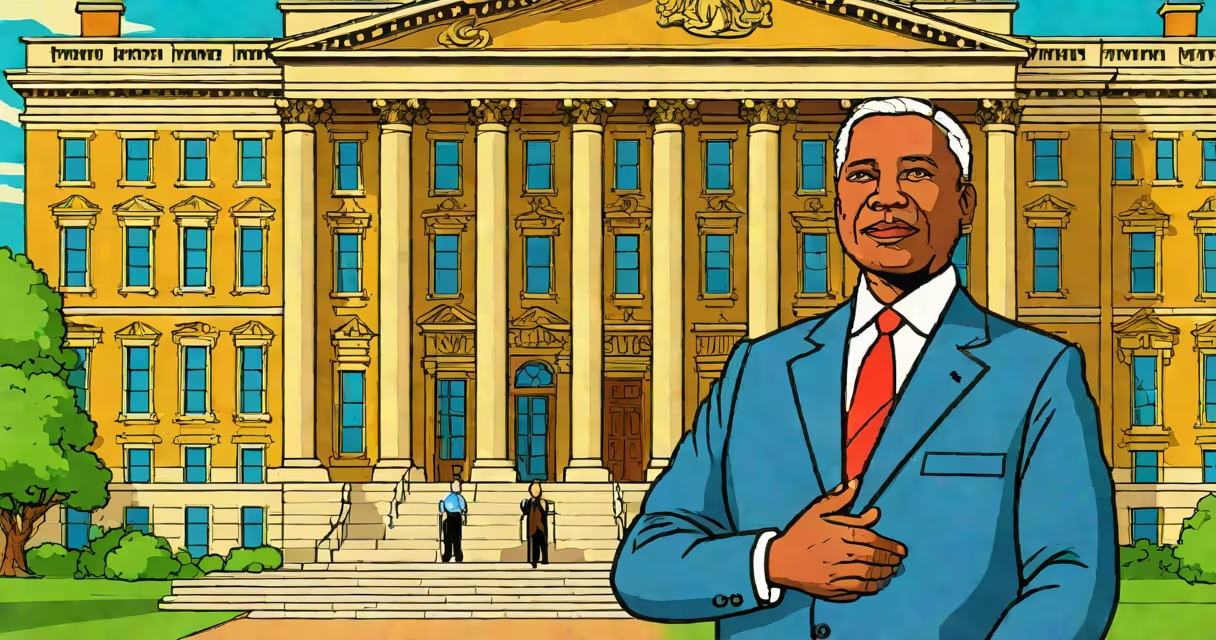
A conservative government definition describes a political system that prioritizes tradition, institutional continuity, and cautious reform over rapid change. It emphasizes stable governance, fiscal responsibility, and the preservation of cultural norms through incremental policy adjustments rather than revolutionary shifts.
Such governments typically support limited state intervention in economic affairs, favor low taxation, deregulation, and private enterprise. They uphold existing legal frameworks and national identity, often resisting reforms perceived as threatening long-standing social structures. This approach aims to maintain order and predictability in public life.
Conservative governments do not reject progress outright. Instead, they advocate for change that emerges from within established systems-through legislative debate, constitutional processes, and consensus-building-rather than mass mobilization or abrupt overhaul.
How conservative government functions
Conservative governments operate through elected legislatures and executive branches guided by principles of prudence and restraint. Decision-making follows precedent, legal interpretation, and institutional checks. Policies are evaluated based on their impact on national stability, economic efficiency, and moral continuity.
For example, a conservative government may oppose expanding welfare programs during economic downturns, arguing that such measures risk long-term fiscal instability. Instead, it may prioritize tax cuts, military spending, and deregulation to stimulate growth. These choices reflect a belief that market forces and individual responsibility should drive economic outcomes.
Policy implementation relies heavily on bureaucracy and administrative continuity. Conservative leaders often appoint technocrats and experienced officials to manage departments, ensuring consistency across administrations. This reduces the risk of sudden shifts in direction due to changing leadership.
Core elements and common forms
Key characteristics of a conservative government include:
- Emphasis on national sovereignty and border control
- Support for traditional family structures and religious values
- Opposition to expansive social programs unless proven effective
- Preference for proven policies over experimental models
- Resistance to rapid technological or cultural transformation
These traits manifest differently across countries. In the United Kingdom, conservative governments have historically championed the monarchy, parliamentary supremacy, and free-market economics. The Thatcher era (1979-1990) exemplified this: privatizing state-owned industries, reducing trade union power, and promoting home ownership through the Right to Buy scheme.
In contrast, conservative governments in nations like Poland or Hungary have emphasized national identity, religious heritage, and resistance to supranational authority-such as the European Union's regulatory influence. These governments often frame policy debates around "national soul" and cultural survival, using rhetoric that appeals to historical memory and collective continuity.
Types and comparisons
While all conservative governments share core values, their expression varies by context. The table below outlines key differences between major conservative models:
| Type | Focus | Example Country | Policy Priority |
|---|---|---|---|
| Classical Conservatism | Preservation of hierarchy, tradition, and natural order | United Kingdom (pre-20th century) | Monarchy, aristocratic privilege, limited suffrage |
| Modern Conservatism | Free markets, individual liberty, restrained state | United States (post-WWII) | Tax reduction, deregulation, defense spending |
| Social Conservatism | Moral tradition, religious influence, family values | Poland, Hungary | Ban on abortion, opposition to LGBTQ+ rights legislation |
Another frequent mix-up is equating conservatism with direct democracy. Unlike direct democracy, which allows citizens to vote on laws directly-such as through referendums-conservative governments rely on representative institutions. They trust elected officials to deliberate and implement policy based on expertise and long-term planning. Direct democracy can lead to short-term emotional decisions, while conservative governance seeks sustained outcomes.
Real-world example: The UK Conservative Party (2010-2024)
The UK Conservative government under David Cameron (2010-2016) and Theresa May (2016-2019) illustrates how conservative principles shape real policy. Their agenda included austerity measures following the 2008 financial crisis: cutting public sector wages, freezing benefits, and selling off state assets.
They passed the Welfare Reform Act 2012, which reduced housing benefits and introduced a universal credit system. The goal was to reduce dependency on state support and encourage employment. Critics argued these changes increased poverty among vulnerable groups; supporters claimed they restored fiscal discipline.
During Brexit negotiations, the government pursued a hard-line stance on immigration and customs autonomy. Prime Minister Boris Johnson's 2019 campaign slogan "Get Brexit Done" reflected a conservative commitment to national sovereignty and historical continuity. The decision to leave the EU was framed not as a break from Europe, but as a restoration of British self-governance.
This example shows that conservative government is not about opposing change-but about controlling its pace and legitimacy. Change happens through Parliament, not protest. It is rooted in legal process, not popular mood.
Common misconceptions and corrections
One widespread error is assuming that conservative governments always oppose social progress. This is false. The UK's 2014 legalization of same-sex marriage occurred under a Conservative-led government. Prime Minister David Cameron supported it, citing personal conviction and the need for legal fairness. The move was consistent with conservative values of stability and order-by resolving a longstanding legal inconsistency.
Another misconception is that conservative governments ignore inequality. In reality, many emphasize meritocracy and opportunity, not equality of outcome. A 2021 study by the Institute for Fiscal Studies found that Conservative governments since 2010 maintained lower income tax rates for middle earners while increasing taxes on high-income brackets. This reflects a belief in rewarding effort and investment, not redistributing wealth equally.
Finally, conservative government is not inherently anti-science. The UK's 2020 pandemic response under Boris Johnson included lockdowns, vaccine rollout coordination, and public health messaging-all grounded in scientific advice. The government's role was to enforce rules and ensure compliance, not to challenge evidence-based policy.
As someone who observed the 2019 UK general election campaign, I saw how conservative messaging focused on stability, national pride, and economic security. The slogan "Stronger Together" was used not to promote diversity, but to reinforce unity amid division. It signaled a desire to preserve cohesion through shared institutions, not ideological confrontation.
Conclusion
The conservative government definition centers on enduring institutions, measured reform, and national continuity. It operates within constitutional frameworks, values precedent, and resists abrupt disruption. This model persists because it offers predictability in governance and aligns with public preference for gradual evolution over revolution.