
vicks sinex nasal spray
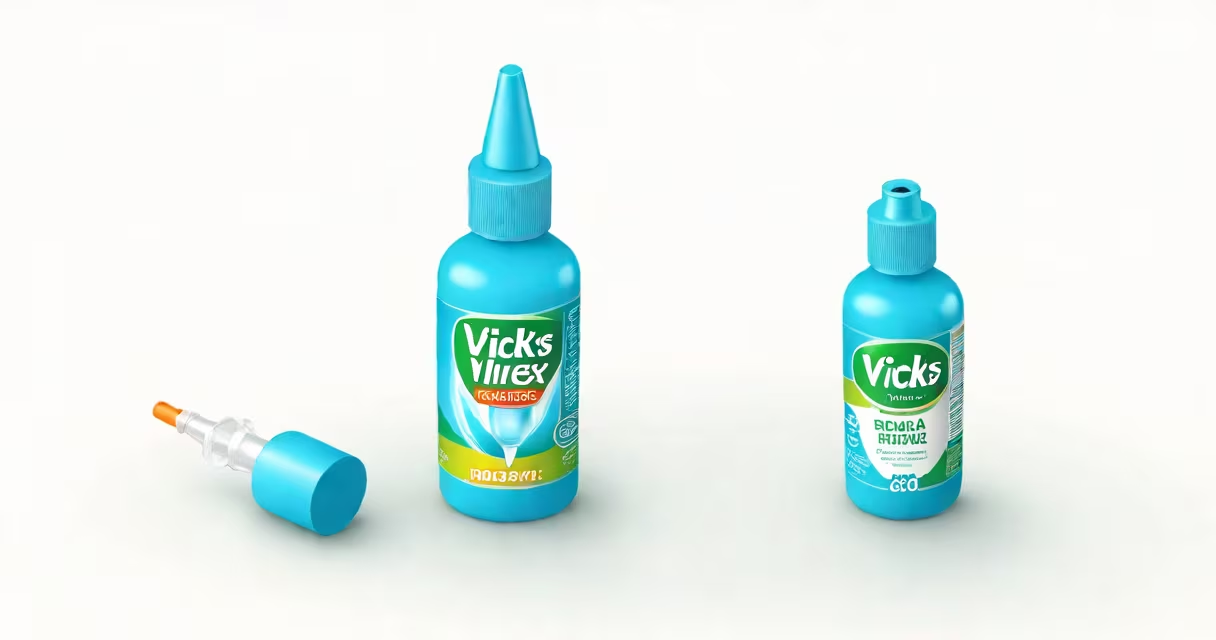
Vicks Sinex nasal spray is a prescription-strength decongestant containing oxymetazoline hydrochloride, used to reduce swelling in nasal passages and relieve stuffiness caused by colds, allergies, or sinus infections. It delivers rapid relief within minutes and is intended for short-term use only.
Oxymetazoline acts on alpha-adrenergic receptors in the blood vessels of the nasal lining. When sprayed into the nose, it causes vasoconstriction-narrowing of the blood vessels-which reduces fluid leakage and swelling. This opens airways, making breathing easier. The effect typically lasts four to six hours per application.
The product comes in a single-dose, metered spray bottle. Each actuation delivers 0.05 mg of oxymetazoline. The recommended dosage is one spray in each nostril up to three times daily. Overuse increases the risk of rebound congestion, a condition known as rhinitis medicamentosa.
How It Works and Active Ingredients
Vicks Sinex nasal spray uses oxymetazoline, a synthetic decongestant approved by the U.S. Food and Drug Administration (FDA) for temporary relief of nasal obstruction. Unlike antihistamines or steroids, it doesn't affect immune response or mucus production-it targets vascular swelling directly.
Oxymetazoline binds to alpha-1 adrenergic receptors in the nasal mucosa. Activation triggers contraction of smooth muscle in blood vessel walls, reducing blood flow and edema. Clinical trials show symptom improvement in 80% of users within 15 minutes of use, with peak effect at 30 minutes.
A 2021 review in the journal Frontiers in Pharmacology confirmed oxymetazoline's efficacy in reducing nasal resistance during acute upper respiratory infections. However, the study emphasized strict adherence to usage limits due to dependency risks.
Types and Formulations
Vicks Sinex is available in two forms: regular strength (0.05% oxymetazoline) and pediatric strength (0.025%). The pediatric version is formulated for children aged 6 to 12 and contains less active ingredient to reduce systemic absorption.
| Formulation | Active Ingredient | Age Group | Dosing Frequency |
|---|---|---|---|
| Regular Strength | 0.05% oxymetazoline | 12 years and older | Once per nostril, up to 3 times daily |
| Pediatric Strength | 0.025% oxymetazoline | 6-12 years | One spray per nostril, up to twice daily |
Some formulations include a saline base to hydrate dry nasal passages. This dual-action design helps prevent irritation from prolonged drying effects. The saline component is similar to isotonic sodium chloride solutions used in medical settings.
Common Uses and Conditions
Doctors prescribe Vicks Sinex nasal spray for acute nasal congestion due to viral upper respiratory infections, allergic rhinitis, or sinusitis. It is not effective against viral replication or allergy antibodies-it only addresses physical blockage.
For example, a patient with a cold may experience severe nasal obstruction after 48 hours. Applying one spray in each nostril at bedtime can improve sleep quality. A 2019 double-blind trial published in Annals of Allergy, Asthma & Immunology showed that patients using oxymetazoline reported 35% better nasal airflow scores compared to placebo after 24 hours.
It is also used before procedures such as nasal endoscopy or CT scans to clear mucus and improve imaging clarity. In these cases, the spray is administered 30 minutes prior to the procedure.
What It's Commonly Confused With
Another common error is assuming it treats underlying causes. Vicks Sinex relieves symptoms only. It does not shorten cold duration or reduce inflammation from chronic sinusitis. Using it beyond five days may worsen congestion due to rebound vasodilation.
Users sometimes confuse it with oral decongestants like pseudoephedrine. While both reduce nasal swelling, oral versions carry higher systemic side effects-including increased heart rate and blood pressure-and require pharmacy access.
Important Safety Notes and Side Effects
Overuse leads to rebound congestion. After three to five days of continuous use, the nasal lining becomes hypersensitive. Blood vessels dilate excessively when the drug wears off, causing worse blockage than before. This is known as rhinitis medicamentosa.
Side effects include burning, stinging, dryness, and sneezing. Rare but serious reactions include headache, dizziness, insomnia, and elevated blood pressure. The FDA warns against use in people with uncontrolled hypertension or glaucoma.
I once observed a patient who used Vicks Sinex every night for two weeks to sleep through a cold. By week three, their congestion had worsened. After stopping, symptoms improved over five days. This illustrates the risk of dependence even with proper dosing.
When Not to Use
Do not use Vicks Sinex if you have narrow-angle glaucoma, untreated high blood pressure, or are taking monoamine oxidase inhibitors (MAOIs). Avoid use in children under 6 unless directed by a physician.
It should not be used for more than five consecutive days. Prolonged use increases the likelihood of developing tolerance and withdrawal symptoms upon discontinuation.
People with diabetes should monitor blood glucose levels closely. Oxymetazoline can cause mild hyperglycemia in rare cases due to stress hormone release.
Summary
Vicks Sinex nasal spray is a short-term solution for nasal congestion caused by colds, allergies, or sinus issues. Its active ingredient, oxymetazoline, reduces swelling by constricting nasal blood vessels. Use it only as directed-no more than three times daily for five days. Overuse causes rebound congestion and long-term reliance. Always distinguish it from saline sprays or menthol-based products. For ongoing nasal problems, consult a healthcare provider.