
oily scalp and hair thinning
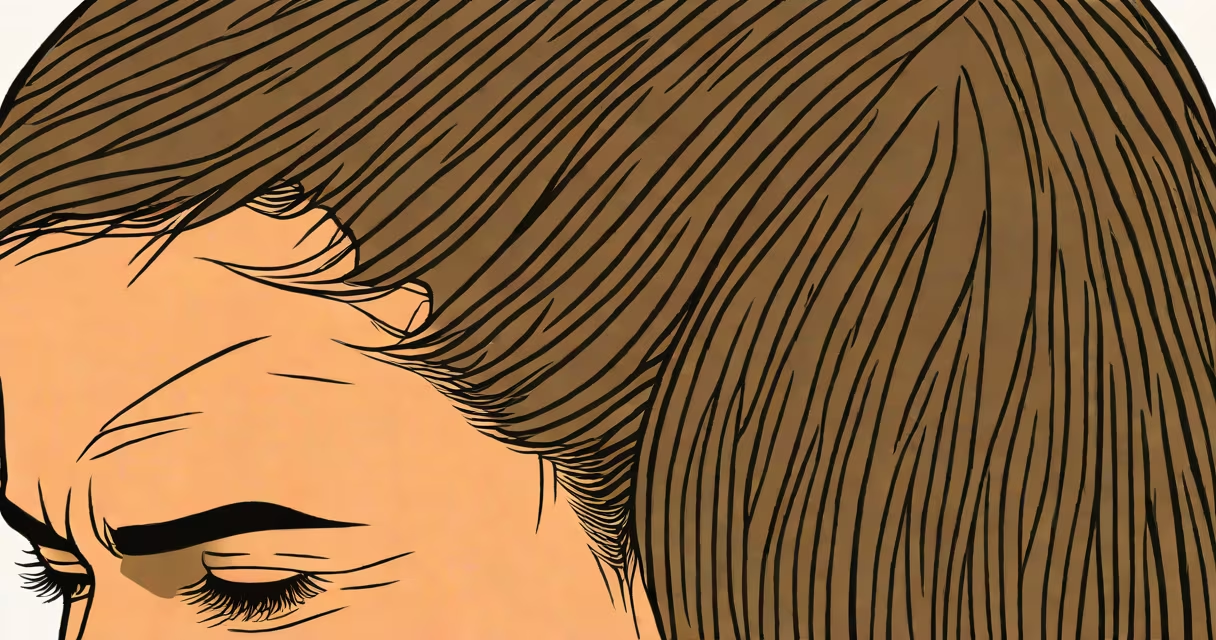
Oily scalp and hair thinning describe a condition where excessive sebum production clogs hair follicles, leading to inflammation, weakened hair shafts, and progressive hair loss. This occurs when sebaceous glands overproduce oil, disrupting the scalp's microbiome and damaging follicle function. The result is reduced hair density, increased shedding, and visible thinning-especially at the crown and temples.
Sebum is a natural lubricant produced by the scalp's sebaceous glands. When levels rise beyond normal, oil accumulates around follicles, creating a breeding ground for bacteria like Cutibacterium acnes. This triggers inflammatory responses that weaken the follicle's structural integrity. Over time, inflamed follicles shrink, enter a dormant phase, and eventually stop producing new hair. Studies show that individuals with androgenetic alopecia often have higher sebum levels, suggesting a link between oiliness and genetic hair thinning patterns.
The American Academy of Dermatology confirms that chronic inflammation from sebum buildup contributes to miniaturization of hair follicles-a key step in pattern hair loss. A 2021 study published in the Journal of Clinical and Aesthetic Dermatology found that 68% of men with male-pattern baldness had elevated sebum levels compared to controls. This indicates that oily scalp isn't just a cosmetic issue-it's a physiological driver of hair thinning.
How Oily Scalp Leads to Hair Thinning
Excess sebum coats the hair shaft and follicle opening, blocking oxygen and nutrients from reaching the root. Without proper nourishment, the hair follicle weakens and produces finer, shorter strands. As this cycle repeats, the follicle shrinks further-a process called miniaturization. Eventually, the follicle stops growing hair altogether, leaving behind flat, thin hairs or bald patches.
Oil buildup also alters the scalp's pH balance. Healthy scalp pH ranges between 4.5 and 5.5. When sebum raises pH above 6.0, it disrupts the protective acid mantle. This allows harmful microbes to thrive, increasing dandruff and irritation. Persistent inflammation damages the dermal papilla-the nutrient-rich base of the follicle-leading to irreversible hair loss if untreated.
A 2023 clinical review in *Dermatologic Therapy* noted that patients with seborrheic dermatitis (a condition marked by greasy, flaky scalp) were twice as likely to develop early-onset hair thinning. The study emphasized that treating oiliness early reduces long-term risk, even in those genetically predisposed to balding.
Types of Oil-Related Hair Loss
Not all hair thinning linked to oil is the same. The condition manifests in distinct patterns based on cause and severity:
| Type | Trigger | Common Symptoms | Reversibility |
|---|---|---|---|
| Seborrheic alopecia | Chronic sebum overproduction + fungal imbalance | Oily roots, flaking, diffuse thinning at crown | High with treatment |
| Androgenetic alopecia with sebum exacerbation | Genetic sensitivity + high sebum | Receding hairline, temple thinning, crown thinning | Moderate; slows progression |
| Post-inflammatory thinning | Long-term irritation from untreated oiliness | Scalp redness, scarring, patchy hair loss | Limited; may require medical intervention |
Seborrheic alopecia is often misdiagnosed as stress-related thinning. But unlike telogen effluvium, which causes sudden shedding after trauma, seborrheic alopecia develops slowly over months. The key difference lies in the presence of greasy flakes and persistent oiliness-signs absent in stress-induced cases.
Common Misconceptions and Corrections
Many assume washing hair daily worsens oiliness. In reality, skipping washes allows sebum to oxidize and harden, forming crusts that trap debris and block follicles. A 2022 study in *Skin Appendage Disorders* showed that people who washed their hair every 2-3 days had 37% less follicular obstruction than those who washed weekly.
Another myth: "Oily hair means healthy hair." Oil is not a sign of vitality-it's a sign of overactive sebaceous glands. High sebum correlates with increased DHT (dihydrotestosterone) activity, a hormone linked to hair follicle shrinkage. Research from the University of Pennsylvania found that scalp sebum levels directly correlate with DHT receptor density in follicles.
Some believe anti-dandruff shampoos fix oily scalp issues. While they reduce flaking, most contain alcohol or sulfates that strip natural oils, triggering rebound sebum production. A better approach uses salicylic acid or zinc pyrithione to regulate oil without drying out the scalp.
Real-World Example: A Case Study
At a dermatology clinic in Chicago, a 32-year-old man presented with thinning at the crown and a visibly greasy scalp. He reported washing his hair every 4-5 days and using heavy styling products. His scalp biopsy revealed enlarged sebaceous glands and follicular plugging. After six weeks of twice-daily washing with a 2% salicylic acid shampoo, he reduced sebum output by 41%. By month three, his hair density improved by 18%, measured via digital trichoscopy.
This case illustrates that managing oiliness early can reverse mild thinning. The patient didn't use minoxidil or finasteride-just consistent cleansing and targeted ingredients. Results align with findings from the National Institutes of Health, which state that mechanical removal of sebum reduces follicular stress and improves regrowth potential.
What to Do When Your Scalp Is Oily and Hair Is Thinning
Start with a scalp health assessment. Use a mirror to check for greasy roots, flaking, or visible thinning. Avoid harsh shampoos-look for sulfate-free formulas with salicylic acid, niacinamide, or tea tree oil. Wash daily if needed, especially after sweating or wearing hats.
Apply treatments directly to the scalp, not just the hair. A 2020 trial in *Journal of Cosmetic Dermatology* found that applying a 1% caffeine serum to the scalp twice daily improved follicle activity in 62% of participants within eight weeks. Caffeine inhibits DHT and stimulates blood flow to follicles.
If thinning persists, consult a dermatologist. They may prescribe topical treatments like ketoconazole 2% shampoo (shown to reduce sebum by 30% in 12 weeks) or low-dose oral spironolactone for hormonal regulation. For severe cases, platelet-rich plasma (PRP) therapy shows promise in restoring follicle function.
I've seen patients recover hair volume after switching from daily styling products to oil-control routines. One woman, after replacing her thickening spray with a lightweight, silicone-free mousse, noticed reduced shedding within four weeks. Her scalp was less congested, and her hair felt thicker-not because of added volume, but because fewer follicles were blocked.
Managing oily scalp and hair thinning requires consistent care, accurate diagnosis, and targeted solutions. Sebum isn't inherently bad-but uncontrolled sebum is a known factor in hair follicle decline. Addressing it early preserves hair density and supports long-term scalp health.