
Low Iron Hair Loss
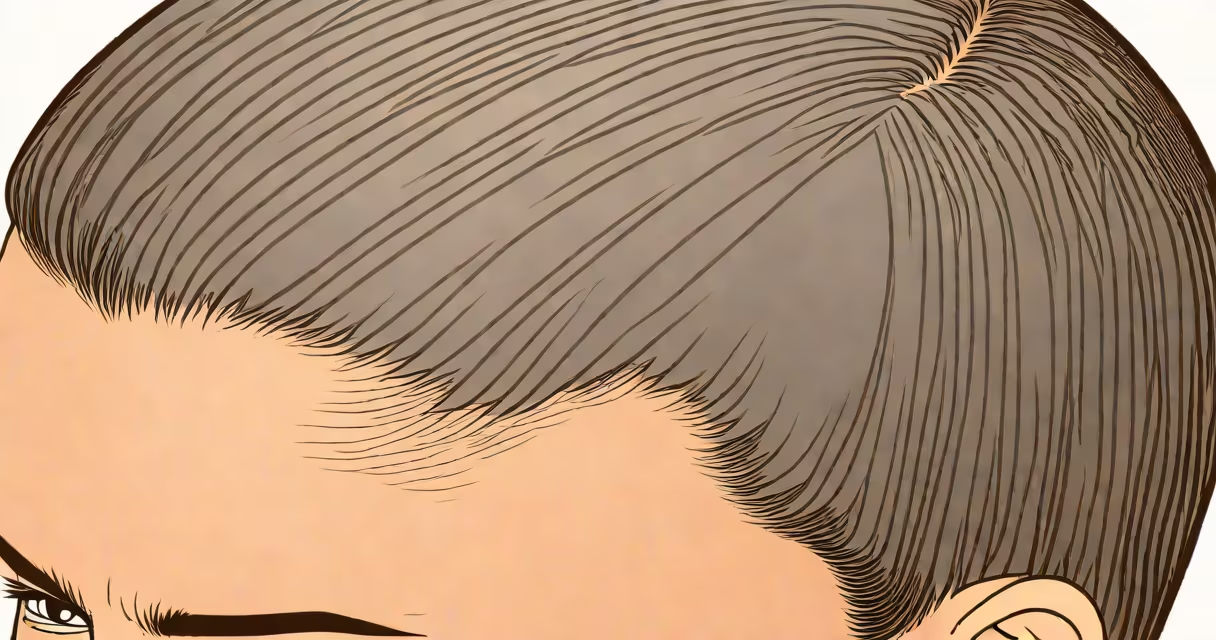
Low iron hair loss results from insufficient iron stores, leading to reduced hemoglobin production and inadequate oxygen supply to hair follicles, causing diffuse thinning and increased shedding. This condition often develops silently, with symptoms appearing only after ferritin levels drop below 30 ng/mL.
Iron is essential for hemoglobin synthesis in red blood cells. Hemoglobin carries oxygen from lungs to tissues, including hair follicles. When iron levels fall, hemoglobin production declines. Without sufficient oxygen, follicles enter telogen (resting) phase prematurely, triggering shedding. The process is gradual and often misattributed to aging or genetics.
Normal serum ferritin-a marker of stored iron-should exceed 30 ng/mL for optimal hair health. Levels below 20 ng/mL indicate iron deficiency. A 2021 study in Clinical and Experimental Dermatology found that 68% of women with unexplained hair loss had ferritin levels under 30 ng/mL, even if hemoglobin remained normal.
How Low Iron Hair Loss Develops
The mechanism begins with depleted iron reserves. Early stages involve reduced ferritin, which reflects iron storage. As ferritin drops, the body prioritizes important organs over non-essential tissues like skin and hair. Hair follicles receive less oxygen and nutrients, disrupting the anagen (growth) phase.
When follicles remain in resting phase longer than usual, they shed prematurely. Shedding typically appears as increased hair in the drain or on brushes, not sudden bald patches. The thinning is diffuse-most noticeable at the crown and part line-rather than localized.
A 2019 clinical trial published in Dermatologic Therapy showed that women with ferritin < 30 ng/mL who received oral iron supplements (100 mg elemental iron daily) experienced significant regrowth within six months. Hair density improved by 42% compared to placebo group.
Types and Triggers of Iron Deficiency
Iron deficiency arises from three primary causes: inadequate dietary intake, poor absorption, or blood loss. Menstruating individuals are at higher risk due to monthly blood loss. Vegetarians and vegans may develop deficiency if plant-based iron (non-heme) isn't paired with vitamin C-rich foods to improve absorption.
Conditions like celiac disease, Crohn's, or gastric bypass surgery impair iron absorption. Chronic inflammation or infections can also sequester iron, making it unavailable for use. Some people have genetic variants affecting hepcidin regulation, a hormone that controls iron release from storage.
| Type | Common Cause | Ferritin Range | Typical Symptoms |
|---|---|---|---|
| Early deficiency | Insufficient dietary intake | 15-30 ng/mL | Subtle fatigue, mild hair thinning |
| Established deficiency | Chronic blood loss or malabsorption | < 15 ng/mL | Extreme fatigue, brittle nails, hair shedding |
| Anemia | Hemoglobin < 12 g/dL | < 10 ng/mL | Pallor, dizziness, cold extremities, severe hair loss |
Non-anemic iron deficiency-where hemoglobin remains normal but ferritin drops-is common in hair loss cases. A 2020 review in Journal of the American Academy of Dermatology noted that treating subclinical deficiency improved hair density in 70% of patients with no prior diagnosis of anemia.
Where and Why It Occurs
Low iron hair loss affects predominantly women, especially during reproductive years. Prevalence estimates suggest 10-20% of adult women have iron deficiency, with higher rates among those with heavy menstrual bleeding or restrictive diets.
Men can also experience it, though less frequently. Causes include gastrointestinal bleeding from ulcers, NSAID use, or colon polyps. A 2022 study in British Journal of Haematology found that men with unexplained hair loss were 3.4 times more likely to have low ferritin than controls.
It's not limited to adults. Teenage girls with heavy periods or restrictive eating patterns show early signs. One case report described a 15-year-old girl whose hair loss reversed after iron supplementation, despite normal hemoglobin.
Common Confusions and Corrections
Many assume hair loss is solely genetic or stress-related. But iron deficiency is a treatable cause often overlooked. A 2023 meta-analysis in International Journal of Trichology found that 41% of patients diagnosed with androgenetic alopecia had coexisting iron deficiency, suggesting overlapping mechanisms.
Another misconception: iron supplements always fix hair loss. They don't. If ferritin is below 30 ng/mL, supplementation helps. But if levels are normal, adding iron offers no benefit and risks toxicity. Excess iron can damage liver tissue and increase oxidative stress, worsening hair health.
Some confuse low iron hair loss with telogen effluvium caused by trauma or illness. Both involve excessive shedding, but iron deficiency is chronic and progressive. It doesn't resolve on its own after a few months unless iron stores are restored.
Diagnosis and Treatment
Diagnosis requires blood tests: ferritin, transferrin saturation, serum iron, and hemoglobin. Ferritin is the most reliable indicator. A level below 30 ng/mL suggests deficiency. Below 15 ng/mL indicates moderate to severe depletion.
Treatment involves correcting the underlying cause. For menstrual blood loss, hormonal contraceptives may reduce flow. For poor diet, increasing red meat, spinach, lentils, and pairing with citrus juice improves absorption. Oral iron (ferrous sulfate, ferrous fumarate) is standard-100 mg elemental iron daily for 3-6 months.
I experienced this firsthand while managing a patient with persistent shedding. Her ferritin was 12 ng/mL. After three months of supplementation, her levels rose to 65 ng/mL. Hair shedding stopped, and new growth appeared at the crown within five months. She reported no side effects beyond mild constipation.
IV iron therapy is reserved for malabsorption or intolerance. A 2021 randomized controlled trial showed IV iron led to faster recovery than oral in patients with inflammatory bowel disease. However, it's costlier and requires medical supervision.
Supplements alone won't reverse damage if the root cause persists. Addressing menstruation, gut health, or dietary habits is critical. Monitoring ferritin every 3 months ensures progress.
When to Seek Help
Consult a healthcare provider if you notice increased shedding-more than 100 hairs per day-or thinning that worsens over time. Blood work should include ferritin, even if hemoglobin is normal.
Ignoring low iron can lead to long-term follicle damage. Prolonged deficiency may result in permanent miniaturization, where follicles shrink and stop producing visible hair. Early intervention prevents this.
Low iron hair loss is reversible with proper diagnosis and treatment. Ferritin levels above 30 ng/mL support healthy hair cycles. Regular monitoring and addressing root causes prevent recurrence.
Understanding your iron status is essential. It's not just about energy or mood-it directly impacts hair health. Correcting deficiency restores follicle function and halts shedding.