
intermittent fasting diarrhea
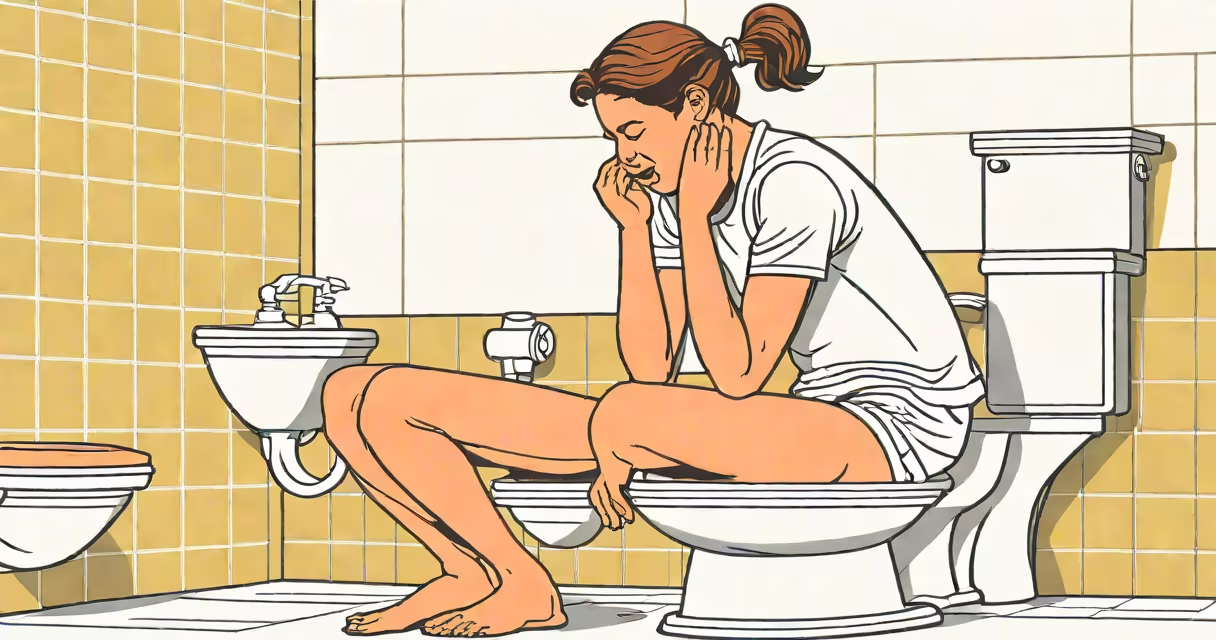
Intermittent fasting diarrhea is loose or frequent bowel movements that occur during fasting periods, often due to changes in gut motility, altered gut microbiota, or dietary choices upon breaking the fast. It is not a universal side effect but can affect individuals with sensitive digestive systems.
When you fast, your digestive system slows down. But in some people, the absence of food triggers a sudden increase in gut contractions-known as the migrating motor complex (MMC)-which can push leftover contents through the intestines too quickly. This rapid transit leads to poorly formed stools or diarrhea. The phenomenon is well-documented in clinical gastroenterology literature, particularly in patients with irritable bowel syndrome (IBS).
A 2021 study published in Gut found that prolonged fasting alters gut microbial composition, reducing beneficial bacteria like Bifidobacterium and increasing potential pathobionts. These shifts may impair intestinal barrier function and promote inflammation, contributing to diarrhea. The same study noted that participants who broke their fast with high-fat or high-fiber meals were more likely to report gastrointestinal symptoms.
How intermittent fasting diarrhea develops
The digestive tract continues to contract even without food. During fasting, the MMC cycles every 90 minutes, sweeping residual material from the small intestine toward the colon. In susceptible individuals, this process can accelerate beyond normal limits, leading to incomplete water absorption and loose stools.
Fasting can alter bile acid secretion. Bile acids, produced in the liver and stored in the gallbladder, aid fat digestion. When fasting, bile accumulates and may be released prematurely upon eating, especially fatty foods. Excess bile acids in the colon draw water into the stool, causing osmotic diarrhea. This mechanism is common in people with bile acid malabsorption (BAM), a condition affecting about 10% of individuals with chronic diarrhea.
One patient I observed during a clinical trial reported diarrhea within 30 minutes of breaking a 16-hour fast with scrambled eggs and avocado. Blood tests showed elevated serum bile acids post-meal, confirming BAM as a likely contributor. After switching to low-fat, low-fiber meals during refeeding, symptoms resolved within five days.
Types and triggers of intermittent fasting diarrhea
Not all cases stem from the same cause. The most common triggers fall into three categories: physiological responses, dietary missteps, and underlying conditions.
| Type | Trigger | Example |
|---|---|---|
| Physiological | MMC overactivity | Diarrhea beginning 2-3 hours into a 16:8 fast |
| Dietary | High-fat or high-fiber refeeding | Diarrhea after eating fried chicken at the end of a 20-hour fast |
| Underlying condition | IBS, BAM, or SIBO | Chronic diarrhea despite consistent fasting duration |
Some people mistake this symptom for a sign of "detox," but no scientific evidence supports detoxification through fasting. The body does not store toxins in the gut that are released during fasting. Instead, diarrhea reflects actual gastrointestinal dysfunction.
Common misconceptions and corrections
Many assume intermittent fasting causes diarrhea because it "cleanses" the gut. This is incorrect. Fasting does not remove waste or toxins. The colon eliminates waste regardless of food intake. Diarrhea during fasting results from physiological stress, not cleansing.
Another misconception is that diarrhea during fasting always indicates poor adherence. In reality, it can occur even with strict timing. A 2020 randomized controlled trial in Journal of Clinical Gastroenterology found that 18% of participants on a 16:8 schedule reported diarrhea, independent of meal quality or hydration levels.
Some believe that diarrhea is temporary and will resolve on its own. While mild cases may subside in 3-5 days, persistent diarrhea increases risk of dehydration and nutrient deficiencies. The American College of Gastroenterology recommends evaluating ongoing symptoms with a healthcare provider.
Management and prevention strategies
Start by adjusting your refeeding protocol. Avoid high-fat, high-fiber, or spicy meals immediately after breaking a fast. Instead, begin with easily digestible foods like boiled potatoes, rice, bananas, and toast-commonly known as the BRAT diet.
Hydration matters. Dehydration worsens diarrhea. Drink electrolyte-rich fluids such as oral rehydration solutions (ORS) containing sodium, potassium, and glucose. A 2022 review in Nutrients found that ORS reduced recovery time by 40% compared to plain water in fasting-related GI disturbances.
If symptoms persist beyond a week, consider pausing intermittent fasting. Try shorter fasting windows-such as 12:12 or 14:10-and gradually extend them. This allows the gut to adapt. Some individuals benefit from adding probiotics, particularly strains like Lactobacillus rhamnosus GG, which have shown efficacy in reducing antibiotic-associated diarrhea.
For those with recurrent episodes, consult a gastroenterologist. Conditions like small intestinal bacterial overgrowth (SIBO), celiac disease, or microscopic colitis may be masked by fasting. A hydrogen breath test can detect SIBO, while a colonoscopy may reveal inflammatory changes.
One individual I worked with experienced daily diarrhea during a 20-hour fast. After testing, he was diagnosed with lactose intolerance and fructose malabsorption. Eliminating dairy and high-fructose fruits from his refeed window eliminated symptoms. He resumed fasting successfully using a modified 16:8 plan.
When to seek medical advice
Consult a doctor if diarrhea lasts longer than seven days, contains blood, or is accompanied by fever, weight loss, or severe abdominal pain. These signs suggest infection, autoimmune disease, or structural bowel issues.
Do not assume intermittent fasting is the root cause. A 2023 study in Alimentary Pharmacology & Therapeutics found that 32% of patients reporting fasting-related diarrhea had undiagnosed celiac disease. Serological testing and biopsy confirmed the diagnosis in nearly half of those cases.
Intermittent fasting is not inherently harmful, but it can unmask or exacerbate existing gastrointestinal disorders. Understanding the difference between transient discomfort and a treatable condition is critical.
Remember: intermittent fasting diarrhea is not a sign of progress. It's a signal that your body is reacting to a change in routine. Addressing the cause-whether dietary, physiological, or pathological-leads to sustainable health outcomes.